

Sign up for Chalkbeat Newark’s free newsletter to get the latest news about the city’s public school system delivered to your inbox.
This time last year, Bruno was picking out a new backpack, asking friends about their junior year class schedules, and starting college courses through his Newark high school.
The 16-year-old should be preparing for his first day of senior year, but instead, he’s packing his bags to head back to Brazil.
Bruno and his family, who came to the United States in 2022 to pursue a better life, have grown increasingly alarmed by the Trump administration’s crackdown on immigration. After months of consulting with their immigration attorney, his parents decided that leaving on their own terms, rather than waiting to be deported, would give Bruno and his 14-year-old sister the best chance of returning to the United States one day.
“Our dream is for our children to finish their schooling and go to college,” said Lourdes, Bruno’s mom, to Chalkbeat in Portuguese. (Chalkbeat is identifying Bruno and Lourdes using first names only due to risks associated with their immigration status.) “We are just hardworking parents. We shouldn’t have to live in fear of being pursued by ICE.”
Bruno will leave behind his friends, the church he serves, and his passion for making movies. But his family’s gamble has the biggest impact on his education.
Immigrants across the country are grappling with whether to stay and risk being swept up by Immigration and Customs Enforcement officials, or return to their home countries and face an uncertain future. The Department of Homeland Security has said that more than a million immigrants have chosen voluntary departure since President Donald Trump took office, the legal option that lets people leave the country on their own by a set deadline. For Bruno’s family, the decision will be yet another setback to his educational journey.
The pandemic, moving to a new country, and learning English have already disrupted Bruno’s K-12 education. Now, moving back to Brazil could blow up the timeline for his schooling and nullify his coursework in both high school and college.
It also means Bruno won’t get to choose between attending seminary school or going to college to study filmmaking or biology. He also won’t get to shop for a tux for prom, or earn a high school diploma and associate’s degree in June.
Many people he’s met in the U.S. are “very important for me … and also I have more opportunities here than in Brazil.”
Parents hope self-deportation will help children’s future
Earlier this year, Bruno’s parents received an immigration summons letter in the mail for a meeting. The family was waiting on a judge’s ruling on their case, but in the meantime, they were still undocumented.
There were family friends who received similar letters and got deported. The number of ICE arrests and deportations grew in New Jersey over the summer. And they worried that being deported would make it harder for their children to secure U.S. student visas later.
A deportation order also carries a reentry bar, a set period during which someone can’t reenter the country, although the details of that prohibition can vary.
So they applied for voluntary departure rather than wait for ICE to decide their case for them.
Still, Priscilla Monico Marin, executive director of the New Jersey Consortium for Immigrant Children, cautioned that self-deportation doesn’t guarantee future benefits and comes with risks.
“It’s one thing to be deported and fall into the shadows, but it’s another to be given the benefit of voluntary departure and not do it,” Monico Marin said.
The family was originally supposed to leave in May, but Lourdes asked for more time so Bruno could finish his junior year. The federal government gave them until Aug. 3 to leave, and they were supposed to receive plane tickets on July 20. But the tickets never came, and now the family has a self-imposed deadline to leave by October, with or without them.
“If we stayed here without authorization, my husband and I could be arrested, which would complicate matters and make our children even sadder than they already are,” Lourdes said.
In the meantime, Bruno goes to the gym, helps out at church, and works with his dad while his friends head back to school. He also enjoys walks around the Ironbound, his neighborhood in Newark, but he has to carry his passport around just in case ICE is nearby.
“My mother, she doesn’t trust me to walk alone some days,” Bruno said.
What a student loses when leaving the U.S.
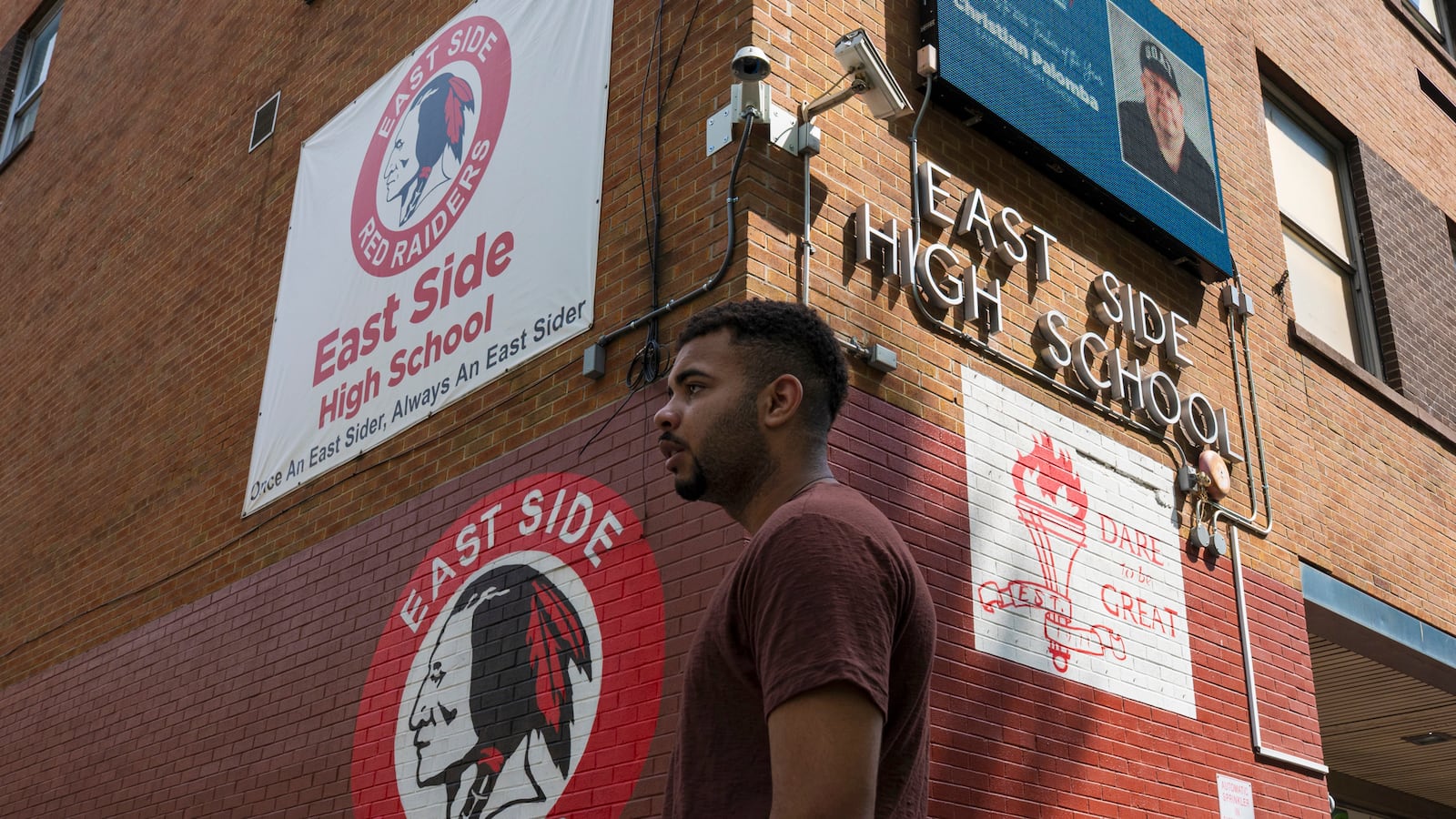
Bruno used to spend his mornings at East Side High School taking classes and making documentaries with friends through a school club where he led the video production team.
In the afternoons, he would take classes at Essex County College. He was on track to earn a high school diploma and an associate’s degree in June 2027.
“I miss everyone there,” Bruno said.
In Brazil, the school year typically runs from February to December, Bruno said. So arriving in October would put Bruno towards the end of Brazil’s school year. Bruno says he will likely have to repeat his junior year from scratch.
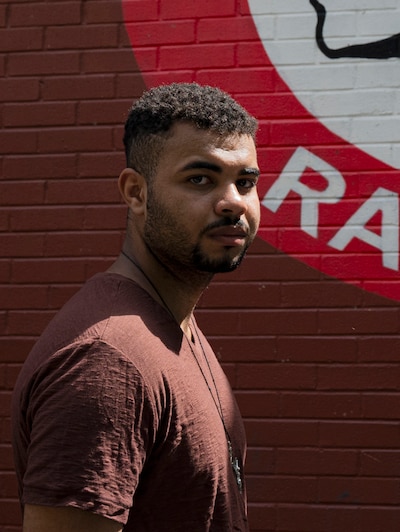
After pandemic-related education disruptions in Brazil, Bruno came to Newark midway through seventh grade but said he “didn’t speak English so I couldn’t understand anything.” Bruno said he didn’t really start learning English or class material until his freshman year at East Side.
Despite all that, Bruno’s optimistic things will improve and that he’ll stay in touch with his friends: “I will try to talk through Instagram, WhatsApp with them sometimes. So I’m trying to figure out what good things can happen.”
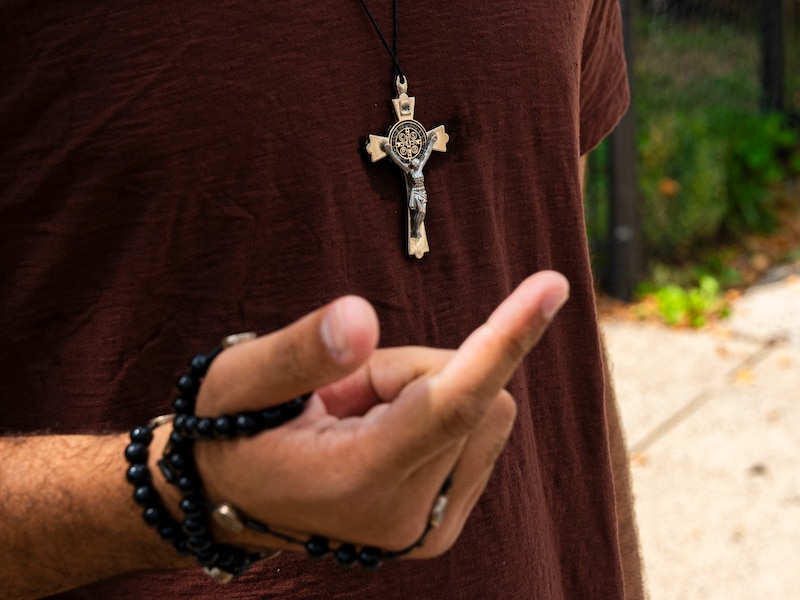
Bruno’s plans once he’s back in Brazil are modest. In addition to enrolling in school and finding work, he wants to continue serving as an altar boy. He’s been in that role at Newark’s Saint James Roman Catholic Church, which has served as a steadying force in his life and reaffirmed his faith.
He hopes to come back to the U.S. from Brazil “one day.”
Jessie Gómez is a reporter for Chalkbeat Newark, covering public education in the city. Contact Jessie at jgomez@chalkbeat.org.