

Sign up for Chalkbeat New York’s free daily newsletter to get essential news about NYC’s public schools delivered to your inbox.
Zohran Mamdani will take the reins of the nation’s largest school system on Jan. 1, inheriting some big challenges facing the $43 billion agency with roughly 150,000 staff and nearly 900,000 students.
Chronic absenteeism remains high, major gaps persist in reading and math proficiency, and enrollment continues to shrink.
On the campaign trail, Mamdani did not focus intently on schools, but he made one big education promise: to govern the city’s public schools with more input from New Yorkers and reduce his own power over the system.
Chalkbeat asked dozens of experts, students, parents, educators, and nonprofit leaders to share bold ideas for the incoming mayor to consider as he crafts an agenda for New York City’s public schools. This is the second installment of a two-part series. Check out Part 1.
Here are some of the most thought-provoking responses we received. They have been edited for length and clarity.
NeQuan C. McLean
Community Education Council president, District 16, Bedford-Stuyvesant, Brooklyn
Redraw local school district boundaries
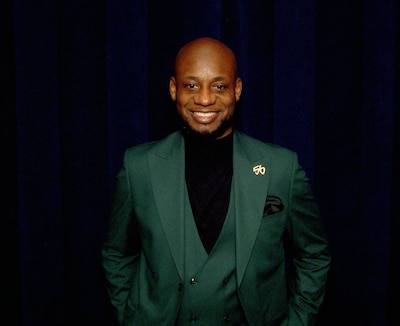
New York City cannot solve its enrollment crisis with school maps drawn for a different era. City Council districts are redrawn every 10 years, but our community school district lines have not had a true citywide review since the 1970s. Some districts now sprawl across dozens of schools, while others are too small to sustain strong programs. I propose a mayor-backed School District Redistricting Commission, with real community voice, to design a fairer map that stabilizes enrollment, expands access to programs, and keeps neighborhood schools viable.
Evan Stone
CEO, Educators for Excellence
Launch 311 service to answer parent questions

There is an opportunity to rethink the relationships with families across the system by increasing decision making, engagement, and transparency.
First, I think the system should rethink and relaunch the parent university to tie into the work of parent ambassadors. Use the program to engage families in the massive curriculum shifts that are underway and set them up to support their students at home (trainings run by teachers). Launch a 311 for schools to answer parent questions (especially around enrollment). Next, I think they should move to mobile voting to increase parent engagement in Community Education Council elections and have the parent representatives on the Panel for Educational Policy elected through a direct election. And finally, I think they should give local parent councils a real budget to run participatory processes to invest in their districts aligned with citywide priorities.
Crystal Lane
Chief education officer, DREAM Charter Schools
Extend student advising after graduation
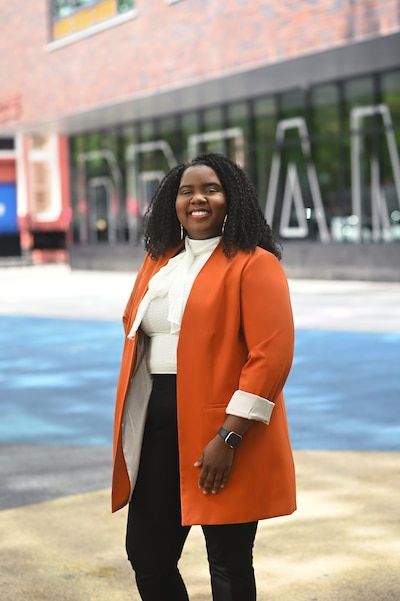
Measure success by who our alumni become at 24, not test scores at 10. High school graduation shouldn’t mean goodbye. Assign every graduate a dedicated advisor who checks in monthly through age 24, helping navigate financial aid renewals, job applications, housing issues, or just life in New York. Think Big Brothers Big Sisters, but citywide and mandatory.
Today, schools are buried in annual metrics instead of preparing young people to thrive in college, career, and life.
Rebecca Bailin
Executive director of New Yorkers United for Child Care
Universal child care for NYC’s 2-year-olds
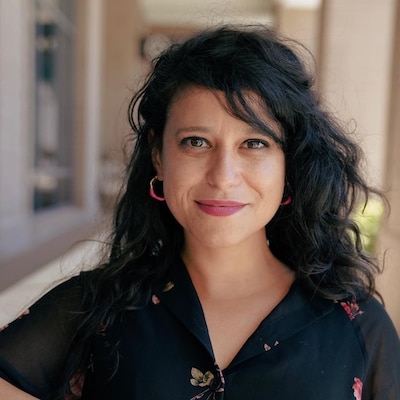
The first step toward making our city an affordable place for families is 2-Care for All, aging down 3-K and Pre-K to 2 year-olds and saving parents $20,000 a year. 2-Care must start with neighborhoods with the highest rates of child poverty and scale up from there to provide full-day, year-round care across the city. We are thrilled that Mayor-elect Mamdani has committed to implementing universal child care, and look forward to working with his Administration to make 2-Care for All a reality as soon as possible. Families cannot afford to wait any longer.
Mashfiq Ahmed
Teacher, John Dewey High School
Pay teachers more

New York City needs to confront teacher burnout and end its reliance on their unpaid labor. Many teachers are taking their work home with them or staying late at school lesson planning, designing curriculum, and doing family outreach. Our underpaid and overworked educators are holding up an underfunded system, especially in schools that serve marginalized communities. Real equity under our city’s new administration requires reinvesting public money directly back into the workers who make public education possible. The next administration should help fund more prep time, reduce class sizes, and provide salaries that accurately reflect the value of teacher’s labor. For a starting salary, teachers should earn about $90,000 a year.
Yiatin Chu
Co-president of Parent Leaders for Accelerated Curriculum and Education and Stuyvesant High School parent
Create classroom dashboard for parents
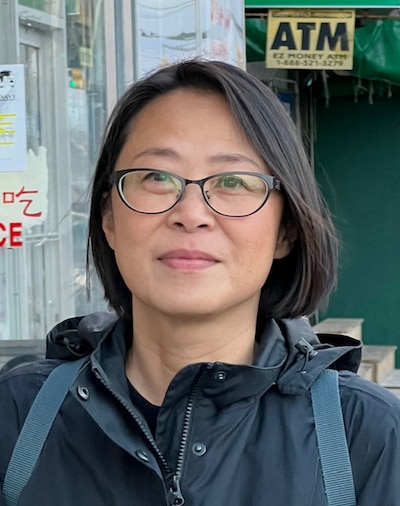
Empower every public school parent by giving us a dashboard displaying class-specific information like teacher resume, average funding per student, class size, textbooks/curriculum, standardized scores of students from previous years, cohort data (e.g., suspensions, attendance, iReady results). True partnership requires transparency — an informed parent is the most powerful advocate for their child.
Adam Schwartz
English as a new language teacher, Franklin Delano Roosevelt High School
Equip schools with a basic English curriculum for newcomers

NYC is a city of immigrants. The city created the We Speak NYC curriculum to help adult newcomer immigrants learn to communicate in basic English. New York City Public Schools should do the same for their children. Academic English development is central to city and state education policy. But newcomer English language learners need to learn to communicate in basic English. Schools are on their own to purchase or create these curricula, with little guidance or support. This hidden burden falls on teachers. Newcomer ELLs deserve a basic English curriculum centered around their lives in a city of immigrants, as do their hardworking teachers.
Nyah Berg
Executive director, New York Appleseed
Establish a deputy chancellor for school integration
Such a role would provide the leadership and accountability needed to implement and evaluate the nearly 100 existing School Diversity Advisory Group recommendations for creating equitable, integrated, and inclusive schools. Continuous segregation is costly for students and families, economically and socially, while integration is a proven affordability strategy that expands opportunity and strengthens school communities. A dedicated senior leadership post ensures that addressing school segregation is not an afterthought but a guiding goal across the public school system.
David Banks
Former chancellor, New York City Department of Education
Double down on reading curriculum overhaul
I think [Mamdani] needs to be on the record as he’s going to double, triple down on NYC Reads. We have we re-engineered the school system, re-trained all the teachers. We did it in close partnership with the UFT [teachers union] and the CSA [principals union]. It checks all the boxes. I think NYC Solves needs a bit more work, but NYC Reads is absolutely on the right track.
Camilla Spillmann
Student, West End Secondary School
End the funding boost for specialized high schools
Specialized high schools have huge alumni donor pools, and they also get extra funding due to the Fair Student Funding formula. These schools may have unique needs for their programs, and it’s undeniable that the students who are there have worked hard to be there, but it feels unfair to give the extra to schools that would have easier avenues to getting outside funds. We should address this discrepancy.
Joel Rose
CEO, New Classrooms Innovation Partners
Rethink how classrooms fundamentally operate

New York City should position itself as a global leader in designing the classroom of the future. Today’s classrooms were built for a different era — fixed schedules, one-size-fits-all pacing, and disconnected tools that make it hard for teachers to meet the wide range of student needs. The next mayor should launch a major R&D effort within the DOE to pilot new models that integrate modern technology, flexible time structures, real-time diagnostics, and personalized learning tools. By treating innovation as a core function — not an afterthought — NYC can build classrooms that reflect how students actually learn and how teachers can most effectively teach.
Keri Goldberg
Kindergarten and first grade teacher, P.S. 321 Brooklyn
Create new apprenticeship programs for teachers
It takes time to learn the craft of teaching but it’s nearly impossible to be a student teacher in New York City. Develop a paid apprenticeship program (in collaboration with teacher colleges) that supports aspiring teachers by partnering them with master teachers for two years. In the first year, the apprentice teacher works full-time in the master teacher’s classroom and in the second year the master teacher continues to serve as a mentor and collaborator. These partnerships would help lower teacher-student ratios without a need for additional space or admissions caps to comply with the reduced class size mandate; put new teachers on a path to success; and tap the knowledge of accomplished practitioners. Offer apprentice teachers subsidized housing, too!
Mateo Tang Oreilly
Student, Central Park East High School
Prioritize cultural studies
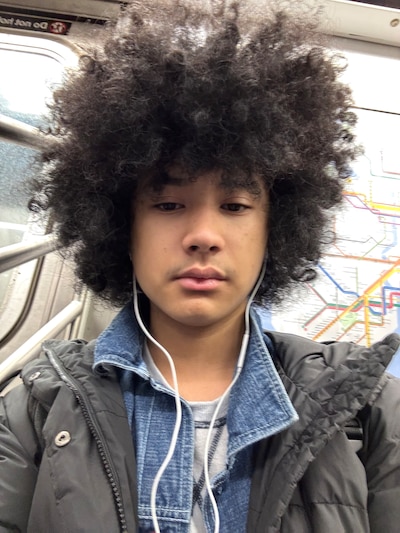
I feel like there is not enough in place in our schools that either keep students connected to their culture, or connect students to new cultures. Our city is a melting pot of all different kinds of people, but I have seen our education system become the cause of assimilation, and loss of cultural knowledge and identity.
Nancy Bedard
Education senior staff attorney, Brooklyn Legal Services
Guarantee access to arts education
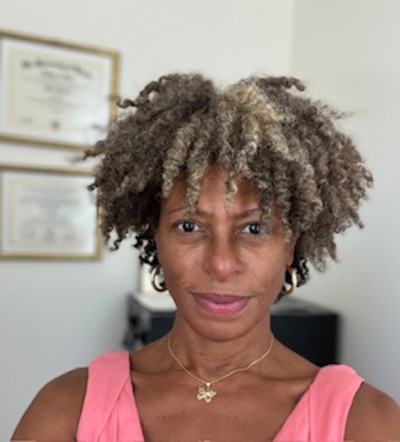
I was born and raised in NYC, and my two older sisters had access to arts education. They had sewing machines, pottery wheels, musical instruments. By the time I entered school, these resources were removed. Mamdani should guarantee that the Education Department fully and equitably funds arts education to meet state-mandated requirements in every local school district. Recent figures show 69% of NYC eighth grade students could not meet the state Education Department’s arts requirements due to inadequate arts education resources. The majority of these students are children of color in low-income districts. Arts education motivates children to attend school, improves grades, reduces suspensions, and is therapeutic.
Arthur Samuels
Founder & executive director, MESA Charter High Schools
Rethink teacher certification rules
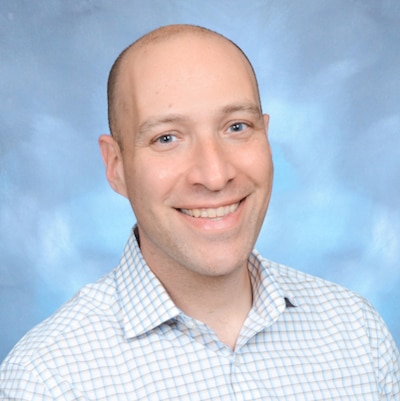
If you’re trying to attract young teachers from other states, which we should want to do, we need to streamline the process of granting certification for teachers who cross state lines. With the class-size law now in force, Mayor Mamdani should partner with the State Education Department to remove unnecessary barriers. In general, New York’s byzantine teacher-certification rules block many aspiring teachers — especially lower-income candidates and people of color — without clear evidence that those rules improve teacher quality. For a district where most students are kids of color, that means missing out on the diverse educators that research shows strengthens student outcomes.
Liz Accles
Executive director, Community Food Advocates
Better wages for school cafeteria workers
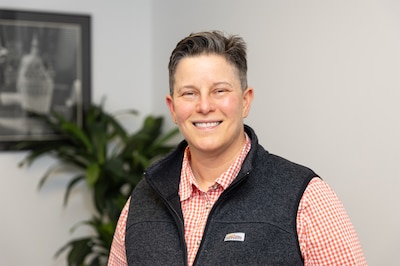
Elevate school meals as a highly valued part of public education by investing in the workforce to fully reflect their vital role in school communities.
NYC’s program serves 850,000 culturally affirming, high-quality meals daily — an extraordinary effort. These nutritious meals are essential to student well-being and learning. To sustain and advance this progress, NYC must treat school food professionals as key educational partners, with competitive wages, clear career paths, and robust professional development. Strengthening recruitment and retention will improve food quality, dining environments, and menu innovation, ensuring school meals are valued as foundational to learning and healthy school communities.
Vanessa Leung
Co-executive director, Coalition for Asian American Children and Families
Collect better ethnicity and language data
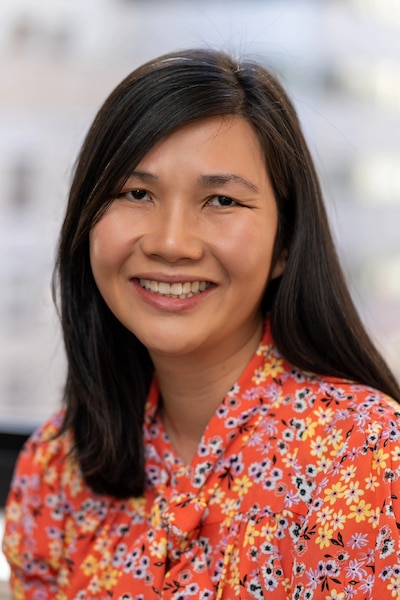
Mamdani must commit to collecting detailed, disaggregated ethnicity and language data on students so that every student is seen and supported. Students who hail from places as different as Bangladesh and Vietnam are currently grouped under the same “Asian and Pacific Islander” umbrella by the Department of Education. Data that treats our communities — nearly 1 in 5 students — as a monolith erases our diversity and renders our differing challenges invisible. Better data can help align communities facing similar challenges to inform consistent policies towards integration and more inclusive admissions practices.
Rafiq R. Kalam Id-Din II
Founder and managing partner, Ember Charter School for Mindful Education, Innovation and Transformation
Lift the cap on charter schools
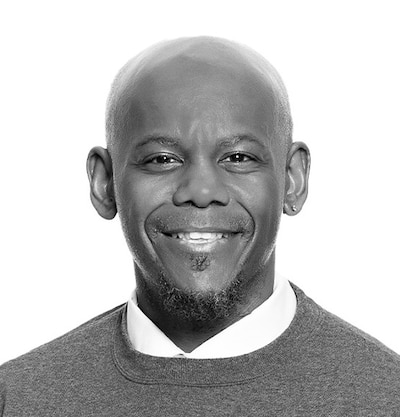
We must end the divisive narrative that pits charter vs. traditional public schools. Instead, we need to double down on offering families a wide variety of public choices, particularly high-quality and equity-focused charter schools, some of the most successful and innovative public schools in the country. We should equalize funding and double the number of these public schools — expanding their reach to help meet the demand for universal child care.
Abby Loomis
Second grade teacher, Brooklyn Arbor Elementary School
Make schools greener — and healthier
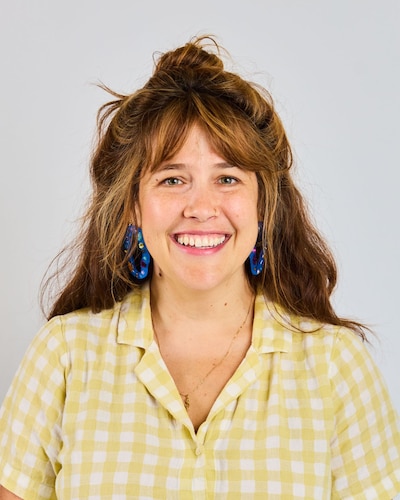
I can’t wait to see Mayor Mamdani follow up on his plan for green and healthy schools. This means upgrading school buildings by improving ventilation (which will improve student health and attendance), installing rooftop or school yard solar, and investing in green spaces that will mitigate flooding and rising temperatures, while also allowing kids to play and move! Also, let’s chill on the AI, please.
Christopher Emdin
Professor of science education, Teachers College
Focus on culture and community
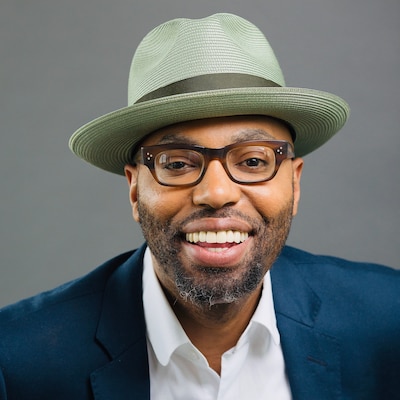
Learning should be rooted in neighborhoods and driven by real projects that matter to young people and communities. Culture is not an add on. Hip hop has to be centered as a core literacy, a science practice, and a civic language. Schools should partner with artists, libraries, museums, parks, and maker spaces. Teachers should be supported as researchers with time to build alongside students. End test centered schooling and zero tolerance discipline. Invest in restorative justice, wellness, and joy. Measure success by relevance, creativity, and community impact. When schools reflect the culture of the city, young people do not just succeed, they lead.
Cheri Fancsali
Executive director, Research Alliance for NYC Schools at NYU
Invest in programs that already work
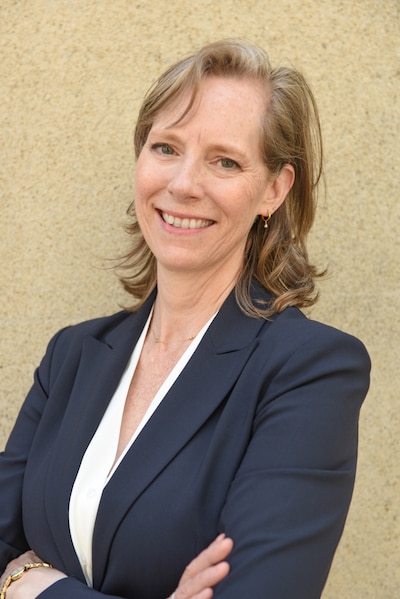
The boldest move? Commit to the long game — and change course when necessary. It is easy to fall into the trap of chasing the next shiny thing. Instead, city leaders should sustain what works: high-dosage tutoring, career-connected learning, small learning communities, community schools, evidence-based literacy and math instruction, culturally responsive pedagogy, leveraging robust cross-agency collaboration, and professional learning communities for educators. Too often, effective or promising programs are abandoned before they can reach scale or show impact.
Alex Zimmerman is a reporter for Chalkbeat New York, covering NYC public schools. Contact Alex at azimmerman@chalkbeat.org.