NYC parent coordinators: Mamdani says he’ll change your role. We want to hear from you.

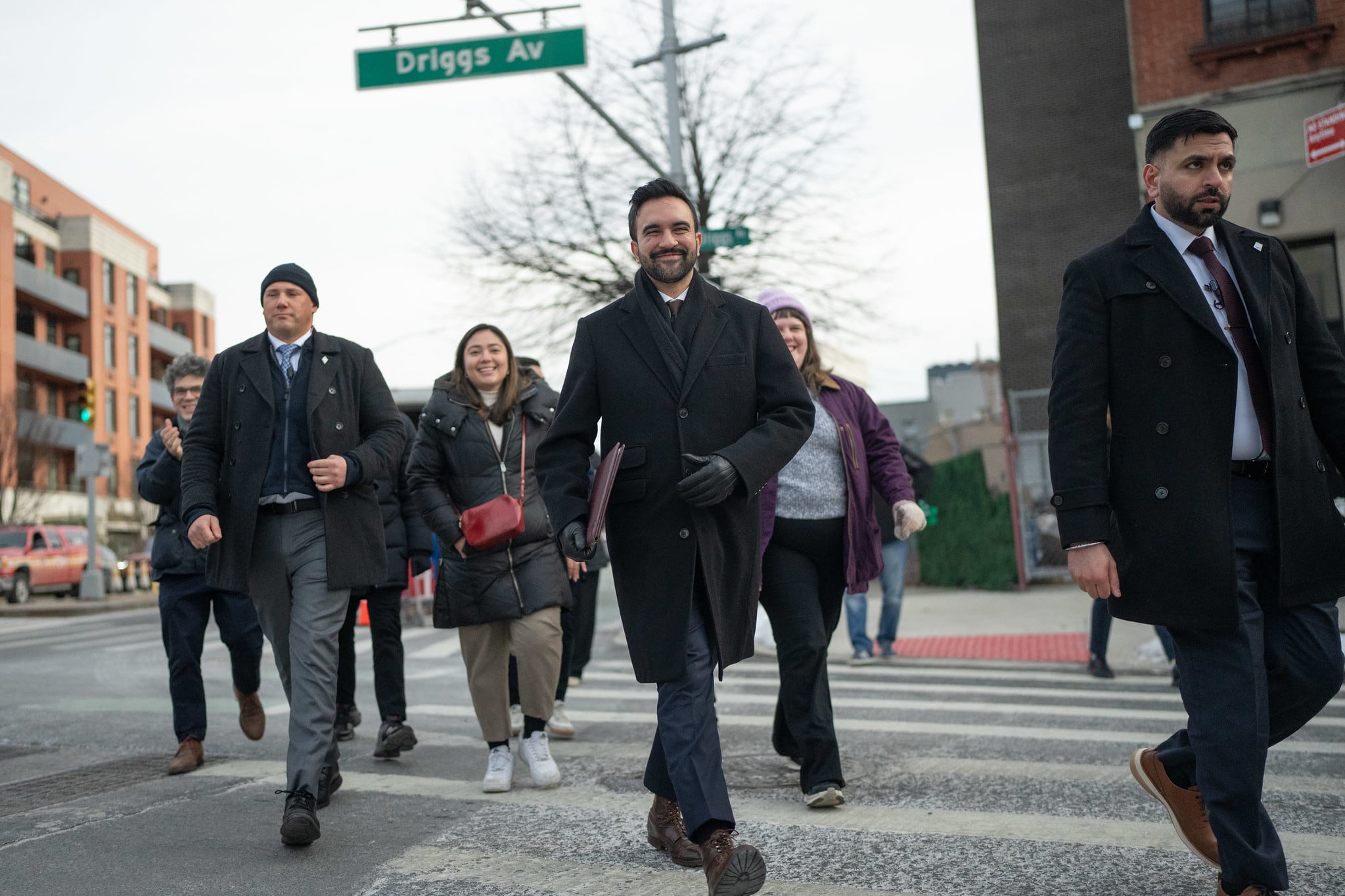
A photograph of a group of adult in suits and jackets cross the street at a cross walk on a cloudy, cold winter day.
New York City Mayor Zohran Mamdani wants to change the role of school parent coordinators. (Michael Appleton / Mayoral Photography Office)

Sign up for Chalkbeat New York’s free daily newsletter to get essential news about NYC’s public schools delivered to your inbox.

The day before his inauguration, New York City’s new mayor, Zohran Mamdani, said that he wants to “improve the parent coordinator role to be a meaningful organizer of parents, rather than an administrative coordinator reporting to a principal.

Parent coordinators play many essential roles in their school communities, from welcome committee to tech support to de facto social worker. Historically, some parent coordinators have called on the city to give them better training and a clearer job description. Many have said that they feel undervalued and underpaid.

Chalkbeat wants to hear from parent coordinators: How do you see your role now? What do you think of Mamdani’s goal? What do you want the new mayor to know about your job?

Help us understand by taking our survey.

If you are having trouble viewing this form, go here.
The Latest

Across much of the state, a lack of staffing has resulted in teachers with no special education credentials instructing students with disabilities.

Cristina Meléndez, the deputy chancellor of family engagement, is leaving her post. NYC education insiders are waiting to see if it’s part of a broader leadership shift.

Shana Engel tells her students that “wrong answers are still great answers, because through fixing our mistakes, we develop a greater understanding."

Lawmakers rejected amendments that would have exempted school districts and school resource officers, leaving uncertainty about how the measure may apply to K-12 schools.

In Fridley, Minnesota, the role of public schools has never felt more clear — or more strained.

State leaders in Texas, Arizona, Florida, and Oklahoma want teachers to face consequences when they facilitate student protests.