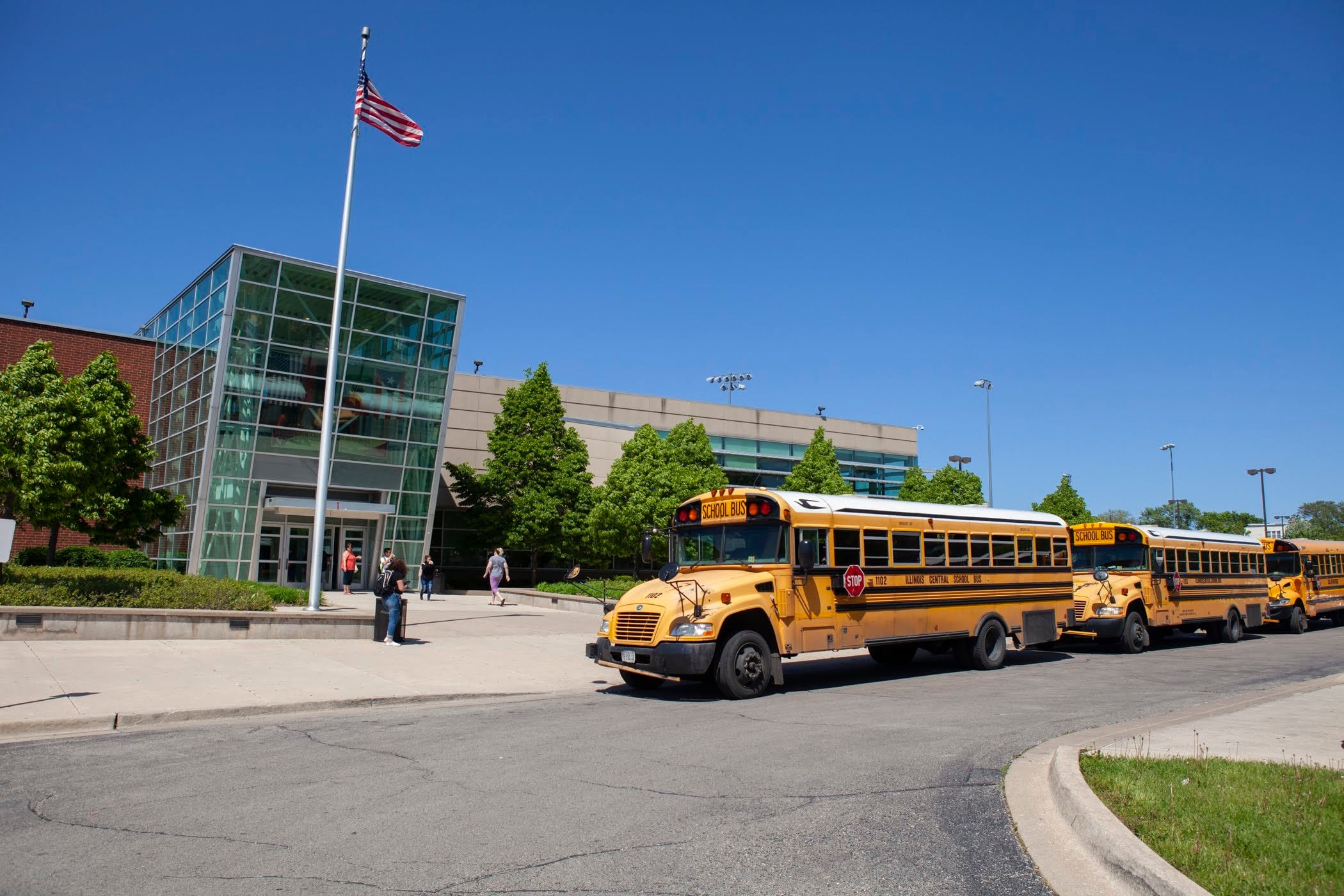
The Illinois State Board of Education this week approved another year of state oversight of Chicago Public Schools’ special education program.
A state monitor has overseen Chicago’s special education department since 2018, after a report found that Chicago Public Schools systematically delayed and denied services to students with disabilities, in violation of federal and state laws. The district identified more than 10,000 students who could receive funding in compensation for services lost, and over 1,000 students who will receive services.
For months, special education advocates have petitioned the state to extend oversight for another year. They’ve also lobbied to extend the deadline for when parents can file complaints for services denied or delayed during 2016 to 2018.
A bill to extend the deadline until fall 2022 for parents to file complaints for missed special education services passed both houses of the legislature and is heading to the governor’s office.
William Hrabe, an advocate who has regularly commented at board of education meetings, thanked the board Wednesday for voting for the extension.
Hrabe said the system that Chicago created to repair the harm done to students is broken and needs to prioritize delivery of special education services to students who were harmed from 2016-2018.
“It is our goal to continue working with the monitor and ISBE to identify the changes that are necessary,” said Hrabe, an attorney at Equip for Equality, an advocacy organization.
The state monitor’s extended oversight will cover Chicago’s Individualized Education Program system, provide remedies for students who missed services from 2016 to 2018, and engage families. The monitor will add another priority, focusing on special education teacher vacancies, especially at schools with vacancies exceeding six months.
The state originally intended to monitor the district for three years — a period ending this fall.
But in that time frame, the monitor could not deal with all the new disruptions during the 2019-20 school year.
The monitor’s 2020 annual report concluded that the 11-day teachers strike and the shutdown of schools in response to the coronavirus pandemic have hampered the district’s ability to complete work needed to remedy shortcomings in its special education services.