Sign up for Chalkbeat Detroit’s free newsletter to keep up with the city’s public school system and Michigan education policy.
This story was originally published by Bridge Michigan, a nonprofit and nonpartisan news organization. To get regular coverage from Bridge Michigan, sign up for a free Bridge Michigan newsletter here.
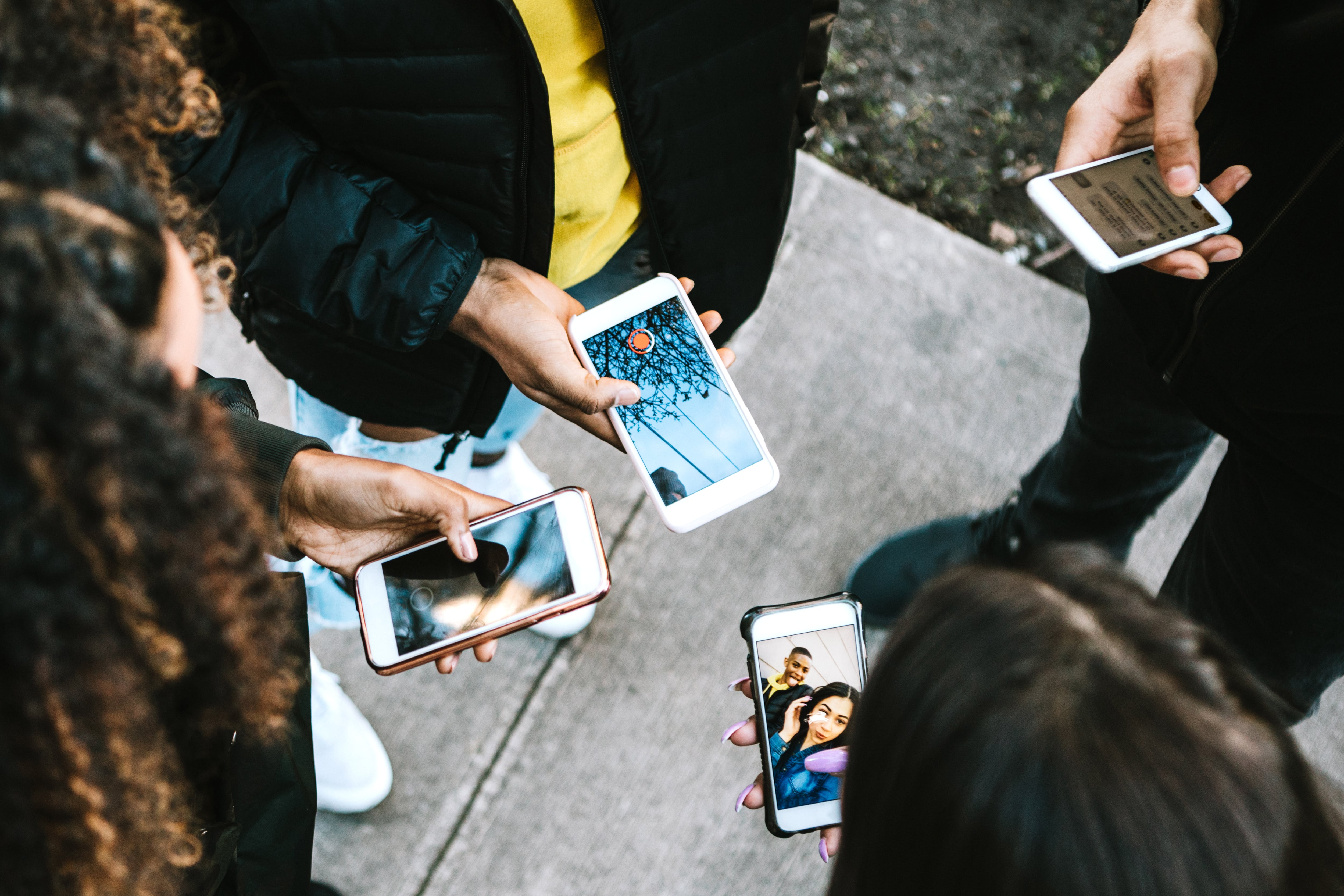
LANSING — Michigan may soon ban students from using smartphones in traditional public and charter schools under a bill that passed the state House on Wednesday in a broad and bipartisan vote.
The approval marks a breakthrough on a drawn-out school cellphone policy debate. House lawmakers failed to pass an earlier version of the bill last year despite calls for action on both sides of the aisle.
Under the revised legislation, approved by the House in a 99-10 vote and now headed to the Senate, Michigan districts will be required to adopt policies banning cellphones during instruction time.
The proposal does not apply to private and parochial schools. And students will still be able to use “dumb phones,” medically necessary devices, and district-owned devices designated for instructional use.
The legislation stems from a growing body of research that indicates constant cellphone use impacts student learning, sponsoring Rep. Mark Tisdel, a Republican from Rochester Hills, told reporters after the vote.

The bill must still make it through the Democratic-led Senate, which is not expected to be in session this week.
But the upper chamber expects to take final votes on the legislation “soon,” according to a spokesperson for Senate Majority Leader Winnie Brinks, a Democrat from Grand Rapids, who called the revised plan a “good bipartisan step forward on an important issue.”
Tisdel said the goal is to have Gov. Gretchen Whitmer sign the bill into law before her 2026 State of the State address, which has not yet been announced but is expected by late February.
During last year’s address, Whitmer called on lawmakers to “pass bipartisan legislation to limit the use of phones in class.”
“Other states — red and blue — have taken action. So has most of Europe and Canada,” Whitmer said in prepared remarks. “I understand the need to be connected to your child. But we can do better.”
At the time of Whitmer’s speech, nine states had adopted school cellphones bans. Now, about three dozen states have similar policies in place.
A previous iteration of Tisdel’s legislation would have allowed high school students to use smartphones during non-instructional time.
That flexibility was dropped from the bill midday Wednesday. Instead, under the revised plan, students may carry what Tisdel called a “basic” phone that would allow them to send texts or make calls but not access TikTok, Snapchat, or other potential distractions.
If signed into law as written, the smartphone ban would take effect this fall for the start of the 2026-27 school year.
Many schools in the state have already adopted cellphone policies on their own. The legislation seeks to create baseline regulations for all districts in the state. But it does not propose penalties for schools that choose not to follow the law, and districts could enact stricter policies if desired.
House Speaker Matt Hall, a Republican from Richland Township, criticized Democrats who voted against the prior version of the legislation but told reporters he put the revised bill up for a vote on Wednesday to start the legislative year off “on a fresh foot.”
“We see this as a growing problem in Michigan, where kids are having their cellphones in the classroom,” Hall said ahead of the vote. “They’re distracted, they’re not paying attention to their teachers, and they’re not doing well in their scores in reading and math.”
As revised Wednesday, House lawmakers also voted to tie the phone ban to pending Senate legislation that would allow student cellphone use during school instructional time in cases of emergency, such as a fire or school shooting.
Jordyn Hermani is a reporter for Bridge Michigan. You can reach Jordyn at jhermani@bridgemi.com.