Many Indiana families will begin receiving government benefits this week to make up for the meals their children are missing while school buildings are closed due to the coronavirus outbreak.
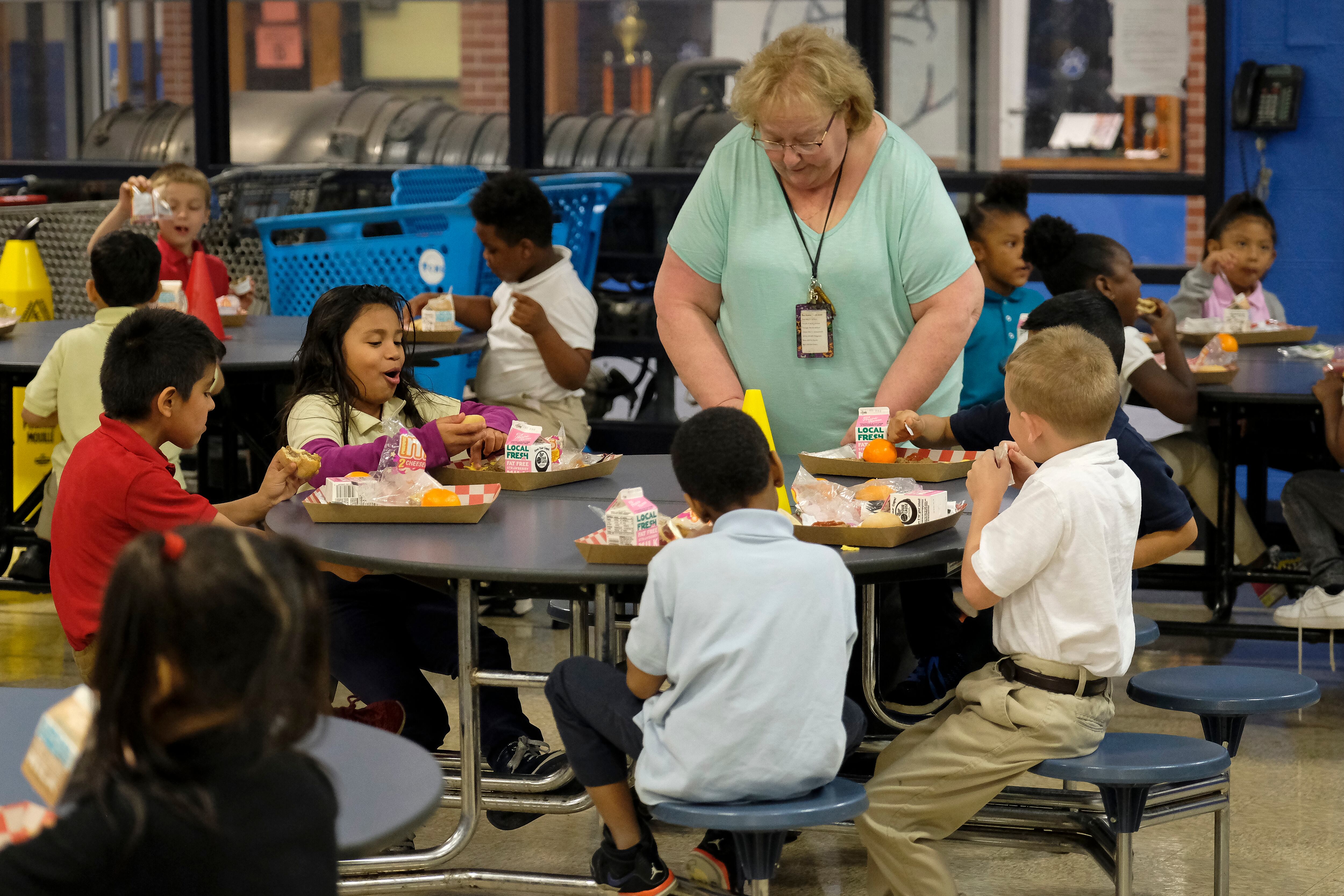
About 600,000 students in Indiana qualify for free or reduced-price meals at school. But since schools across the state were ordered to shift to remote learning in mid-March, the closings will have forced kids to miss an average of 56 days of in-person schooling this year, according to the Indiana Department of Education.
Through coronavirus relief funds, those families will automatically be reimbursed for the value of those meals — $5.70 per day, according to the federal reimbursement rate. Families do not have to apply for the benefits. For one eligible child, 56 missed days would amount to $319.20 in benefits.
For families that already receive benefits through the Supplemental Nutrition Assistance Program, extra funds will be applied to their accounts by the end of May, the Indiana Family and Social Services Administration, or FSSA, said.
Families that do not receive SNAP benefits will receive an electronic benefits transfer card — a “Pandemic EBT” card — in the mail by the end of the month. The Pandemic EBT card works like a debit card and can be used at stores that accept SNAP but not for cash withdrawals.
Indiana has seen a spike in families applying for food assistance, with a 253% increase in SNAP applications, FSSA secretary Jennifer Sullivan said in late April. Last month, more than 308,000 households received SNAP benefits.
Many schools are also distributing meals to families regardless of income. Indianapolis Public Schools, for example, has given out more than 325,000 meals to families since school buildings closed.
MAP: Where Indianapolis children can get free meals during coronavirus shutdowns