Sign up for Chalkbeat New York’s free daily newsletter to get essential news about NYC’s public schools delivered to your inbox.
This originally aired on The Bell’s Miseducation podcast .
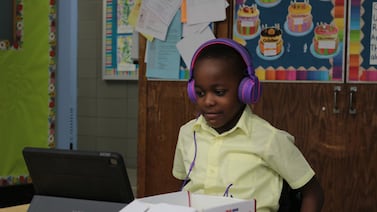
Thousands of New York City students rely on credit-recovery programs to earn course credit they need for the next grade or graduation. But do these second chances to pass give the system permission to fail?
A 2018 audit at a Brooklyn high school found that 96% of recovered credits were improperly awarded, exposing how uneven oversight and underqualified instruction can shortchange students.
In this episode, I share my own observations, along with my classmate Hawa’s firsthand experience navigating credit recovery. I also sit down with Shante Martin, a Williamsburg Charter High School administrator who sees the program’s promise, but also proposes changes such as limiting eligibility to seniors and raising the minimum grade requirement for a student to enter credit recovery.
A genuine second chance shouldn’t mean cutting corners. If credit recovery remains part of our school system, then it must deliver on the education it promises.
This is a video-first episode. You can watch it now on YouTube.
Miseducation is The Bell’s flagship podcast, which gives New York City public high school students the tools to report on inequities in the nation’s largest school system.
To join the conversation, send us a message and follow us on Instagram.
Never miss an episode! Subscribe on YouTube | Spotify Apple Podcasts | Google Play | Stitcher