Sign up for Chalkbeat Newark’s free newsletter to get the latest news about the city’s public school system delivered to your inbox.
A proposed $10.5 billion state school construction bond could unlock new funding for Newark Public Schools and other school districts in the state to address longstanding needs for new schools and urgent repairs.
Senate Majority Leader M. Teresa Ruiz introduced legislation Thursday that, if approved, would ask voters in November to authorize new state bonds for school construction, expansion, and renovation projects in high-poverty districts as well as others.
The state, through the Schools Development Authority or SDA, is obligated to fully fund school construction in Newark and 30 other high-poverty districts, including East Orange, Elizabeth, and Paterson. New Jersey’s other school districts can apply for state-funded construction grants through the SDA, which typically contributes a minimum 40% of construction costs.
Senate Bill 3382, as currently written, does not specify repayment terms such as the number of years, interest rates, or the effect on taxpayers.
“This bill marks the start of a broader conversation about how we can modernize our public schools and provide students with an education that meets the demands of the 21st century. While this approach may be one path to address the issue, the need for action is clear,” Ruiz said in a statement.
Debra Coyle, executive director of the New Jersey Work Environment Council, said the new bill is a step in the right direction, but many schools are already in need of urgent repairs. The state estimates that construction needs in SDA districts that aren’t already funded would cost about $7 billion.
“School construction, if we don’t start addressing the need, then that price tag is just going to keep going up on the current backlog of projects,” Coyle said.
Since the SDA was established in 2007, more than $760 million has been spent on renovation projects in Newark alone, the most of any school district in New Jersey. The SDA estimates that without additional funding or new bond authorization, it will run out of funds for new capital projects by 2030.
The $10.5 billion bond proposal introduced by Ruiz would authorize $7 billion for SDA districts and $3.5 billion for school construction grants in other school districts. That funding is especially crucial as the state agency has already committed all its funding from previous allocations to current school projects.
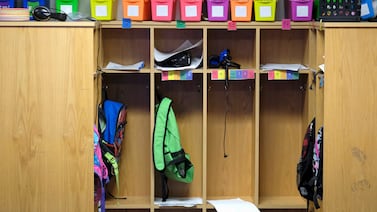
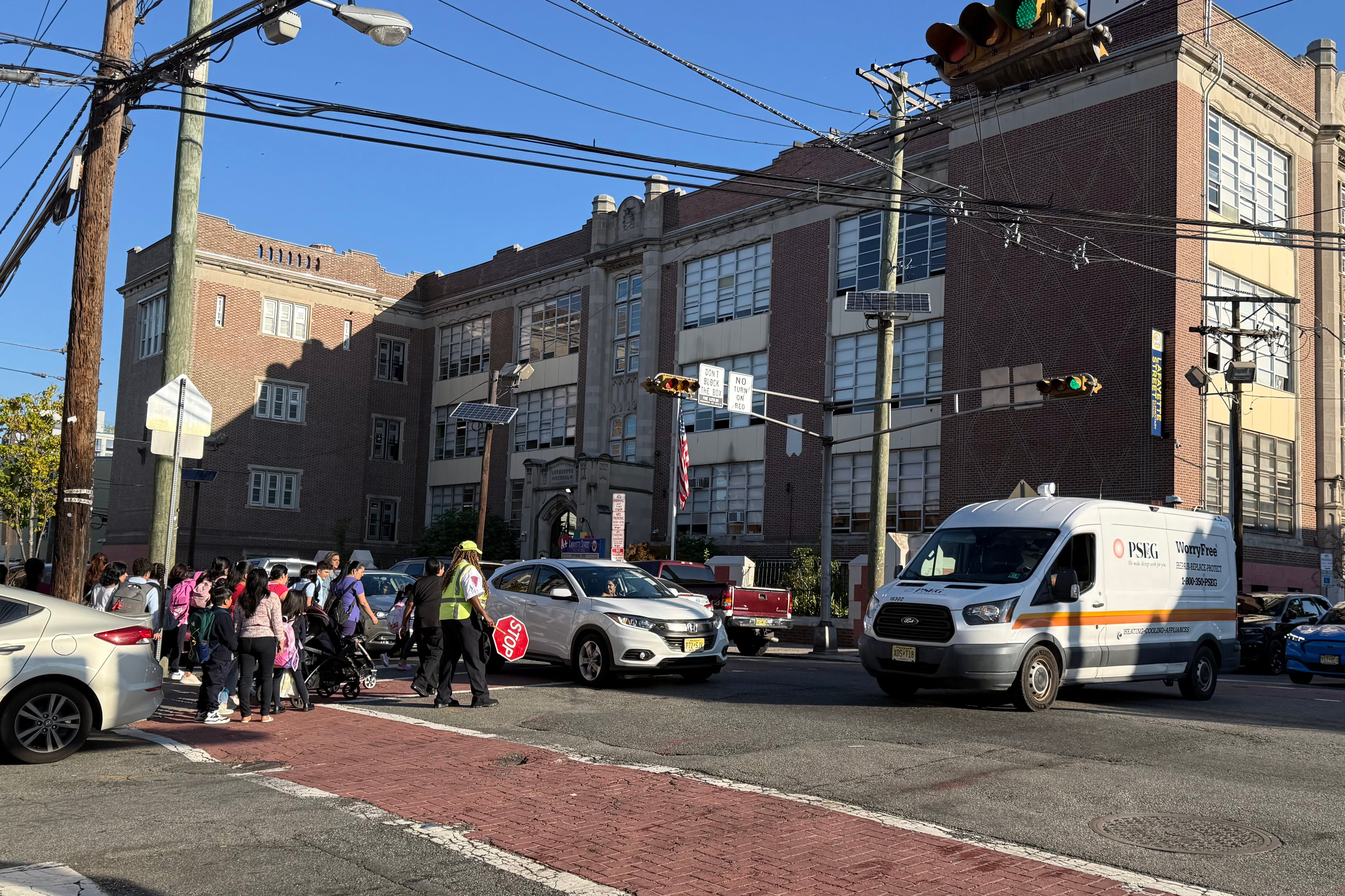
In Newark Public Schools, the state’s largest school district, students struggle in hot schools during summer temperatures, while others encounter inoperable water fountains, crowded hallways, and no central heating or air conditioning. Superintendent Roger León estimated that roughly $2 billion is needed to fully repair and update schools, which are among the oldest school buildings in the state.
Nikki Baker, organizer for the Healthy Schools Now coalition and a former educator, said that she’s been in schools with dirty bathrooms, loose ceiling tiles, leaky and broken pipes. Her team, along with Coyle, has been working with Ruiz on the new legislation, which has been months in the making, Baker said. She hopes the new bill will pass with voter approval to provide more equity in school learning environments.
“Within the same school district, children can be having very different experiences in their schools. That doesn’t mean that you have to necessarily tear down the schools, but unfortunately, a lot of schools have gotten to that point. Even making renovations to make [students] safer, to keep everyone well, that just feels good,” Baker said.
In 2008, the state allocated $3.9 billion in funds to the SDA, of which $2.9 billion went to high-poverty districts. That was the largest, and most recent, cash infusion to the SDA before former Gov. Phil Murphy unlocked nearly $2 billion over the last two budget cycles, resulting in 19 new construction projects and hundreds of building repair projects for districts across New Jersey included in the SDA’s 2022 strategic plan.
In 2024, the state agreed to replace 13 of Newark Public Schools’ oldest buildings, but that deal leaves out 20 schools that need to be replaced, according to the district. Also in 2024, the state committed to spending nearly $153 million to build a new high school in Newark’s South Ward and relocate a nearby elementary school – a project still in its early stages that requires state funds to begin. And since Newark can’t build its own schools, the district last year agreed to pay $300 million over 30 years for a new trade high school in the city’s densely populated East Ward neighborhood.
The state “remains on the hook to meet its constitutional obligations” to fund school construction in Newark and other high-poverty districts, said Theresa Luhm, attorney and managing director at the Education Law Center.
“This has been a long time coming and it’s very necessary, not just for the SDA districts, but for all school districts across the state,” Luhm said.
Currently, the SDA receives funds from the legislation on a “pay as you go” basis with no longterm funding to support their work. In 2024, Newark Public Schools was weighing whether to present a $1.2 billion bond referendum to city voters last April to cover school repairs. But district leaders squashed that plan after learning that it was unlikely to gain support, according to León last year.
Jessie Gómez is a reporter for Chalkbeat Newark, covering public education in the city. Contact Jessie at jgomez@chalkbeat.org.