Sign up for Chalkbeat Philadelphia’s free newsletter to keep up with the city’s public school system.
Update: As of Friday afternoon, The Philadelphia Inquirer reported SEPTA and its collective bargaining unit, Transit Workers Union 234, reached a tentative contract deal to avert a strike. This deal will have to be put to a vote of the union’s more than 5,000 members.
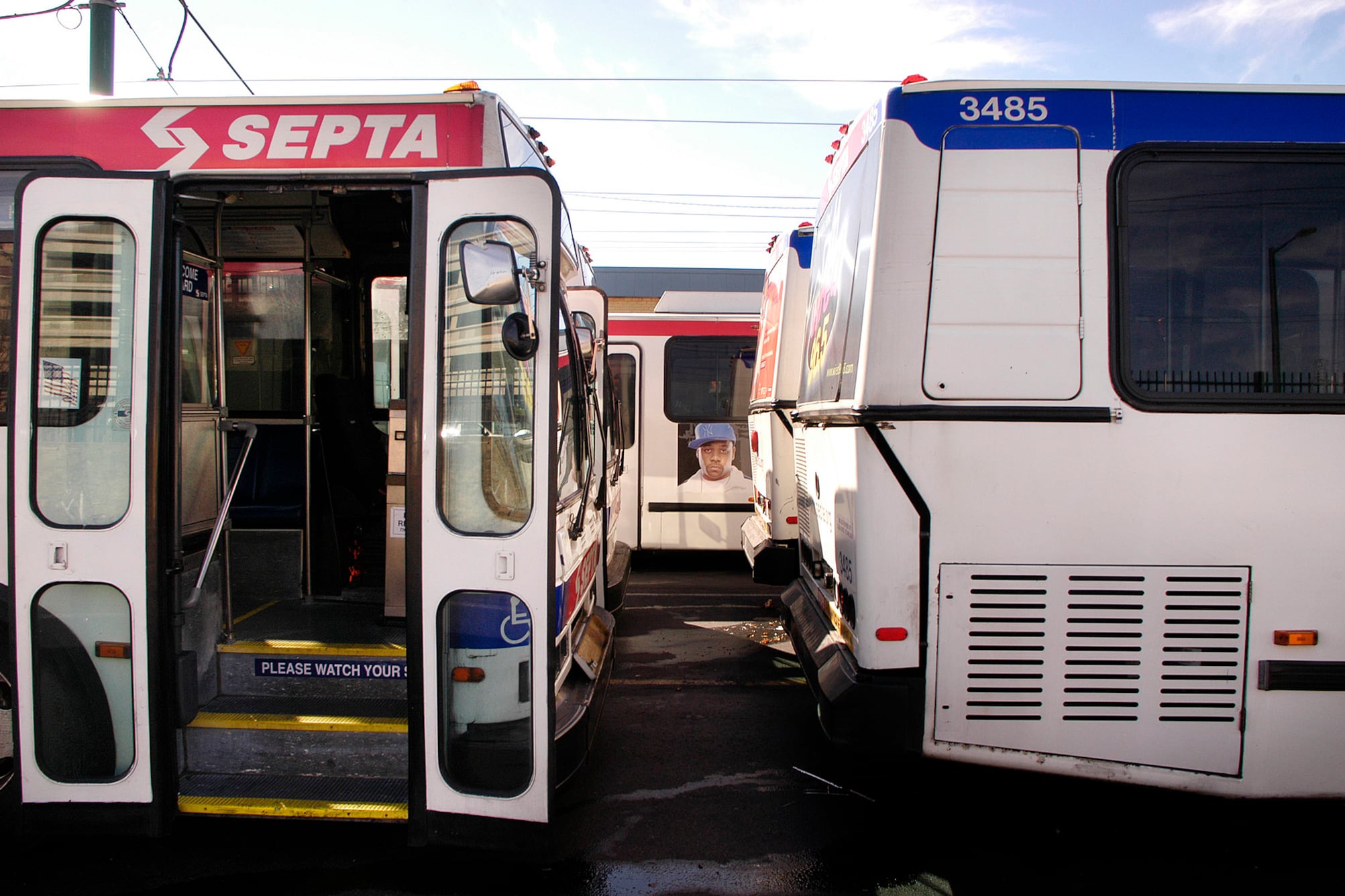
A looming public transit worker strike could leave thousands of Philadelphia students without reliable school transportation, meaning that more than three years after the pandemic began, remote learning may be coming back.
If members of Transit Workers Union 234 walk out when their contract expires at midnight on Tuesday, Oct. 31, several highly-trafficked train, bus, and trolley routes would be suspended, city officials have warned.
Nearly 55,000 students use SEPTA to get to and from school. In the event of a transit workers strike, the district would be unable to find suitable transportation for those students, Superintendent Tony Watlington said in a Friday statement.
“We are fully committed to ensuring that learning continues for all students in the event of a SEPTA strike,” Watlington said. “While the ideal would be to maintain in-person learning for all students, please know that staffing challenges or other conditions that may result from a strike could require some or all of our schools to shift to hybrid or 100% virtual learning.”
Because of an ongoing national shortage of drivers, “providing transportation support to all students who would need it during a strike would not be an option,” Watlington said.
As a result, Watlington said the district is also “considering relaxing absence and attendance policies such that students who are late or absent due to SEPTA-related travel challenges will not be marked late, or will be excused upon receipt of a note from the parent or guardian.”
Noting that school staff also rely on SEPTA to get to work, Watlington said the district is also considering “temporary reassignments, extended overtime and relaxation of start and end times” for educators and other school employees.
“The District will monitor staffing at each school daily and deploy educator and Central Office staffing supports for specific schools that may need additional coverage,” Watlingon said.
The district provides free transportation via yellow buses for students in grades 1-6 living at least a mile and a half from the school they attend. Older students in grades 7-12 ride SEPTA. Students with disabilities may have different accommodations through their individualized education program, or IEP.
Students in district, charter, and private schools ride for free on SEPTA buses, trains, and trolleys. The district subsidizes the cost and pays SEPTA directly, and then is reimbursed by the state.
This isn’t the first time a potential transit worker strike has threatened to disrupt Philly students’ learning. In 2021, a deal was reached narrowly avoiding a strike. The last SEPTA strike was in 2016 and lasted six days. SEPTA has been called “the most-strike prone transit agency in the nation.”
Carly Sitrin is the bureau chief for Chalkbeat Philadelphia. Contact Carly at csitrin@chalkbeat.org.