Sign up for Chalkbeat Tennessee’s free newsletter to keep up with statewide education policy and Memphis-Shelby County Schools.
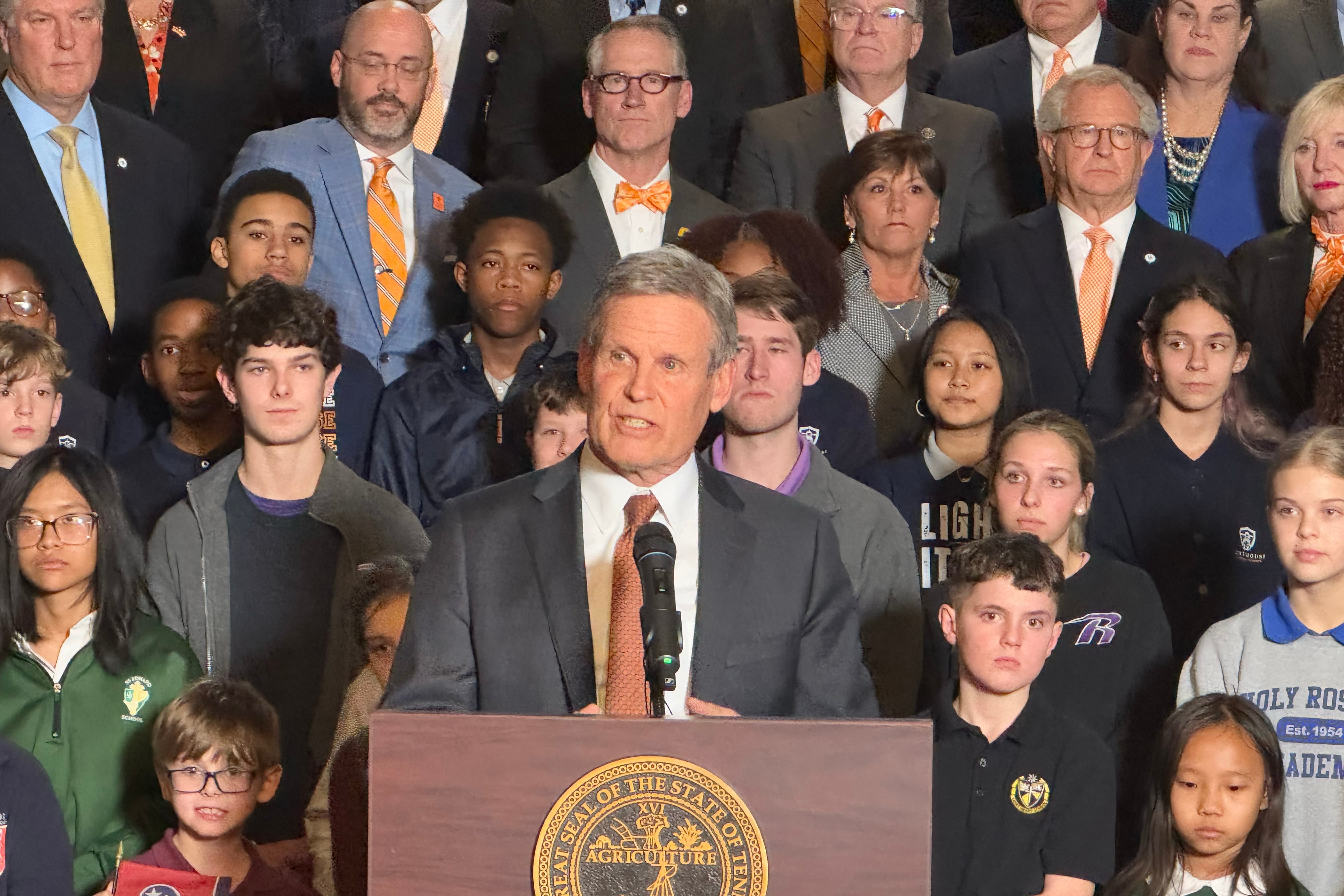
More than three dozen Tennessee county mayors are urging Gov. Bill Lee to take advantage of a federal food benefits program that will help students from low-income families pay for meals when schools are out of session next summer.
The renewed push from local leaders and some state Democrats comes after Lee opted out of the program for 2025. It was the first time in five years that the majority of students from low-income families across Tennessee did not receive supplemental grocery funds during the summer months when they couldn’t access school meals.
Lee’s office has not responded to multiple requests for comment. The deadline to opt into the federal SUN Bucks program for 2026 is Jan. 1.
“Our cities, towns, and counties are on the front lines in the fight against child hunger,” more than 36 county mayors said in a public letter circulated by the Tennessee Justice Center. “Summer EBT is a proven, vital support for families: helping children stay nourished, healthy, and ready to learn when the school year begins.”
Lee effectively rejected around $75 million in federal funds for Tennessee students by declining to use the program this year. After the decision was publicly criticized, the governor announced a smaller, state-run program that cost the state much more to serve fewer kids.
Lee’s office has previously cited administrative cost burdens for implementing the program, about $5 million in 2024. But for every dollar Tennessee spent on the federal program, it brought back around $14 to help feed Tennessee students.
After the decision to opt out of the program this year was criticized, Lee announced a scaled-back, state-run program. It cost $3 million and served just 25,000 students in 15 counties, compared to the 700,000 students served each year between 2020 and 2024 through the state-federal partnership.
Senate Democratic Caucus Chair London Lamar urged Lee this week to not “forfeit federal resources intended to support our most vulnerable children.”
“Summer EBT is a common sense way to make sure kids don’t go hungry just because school is out,” Lamar said. “These funds help parents stretch tight grocery budgets and this shopping supports our supermarkets and state economy.”
Melissa Brown is the bureau chief for Chalkbeat Tennessee. Contact Melissa at mbrown@chalkbeat.org.