Sign up for Chalkbeat Tennessee’s free newsletter to keep up with statewide education policy and Memphis-Shelby County Schools.
Tennessee House Republican leaders will push forward a plan in 2026 to install a Memphis-Shelby County schools oversight panel that would seize significant decision-making authority from the locally elected school board.
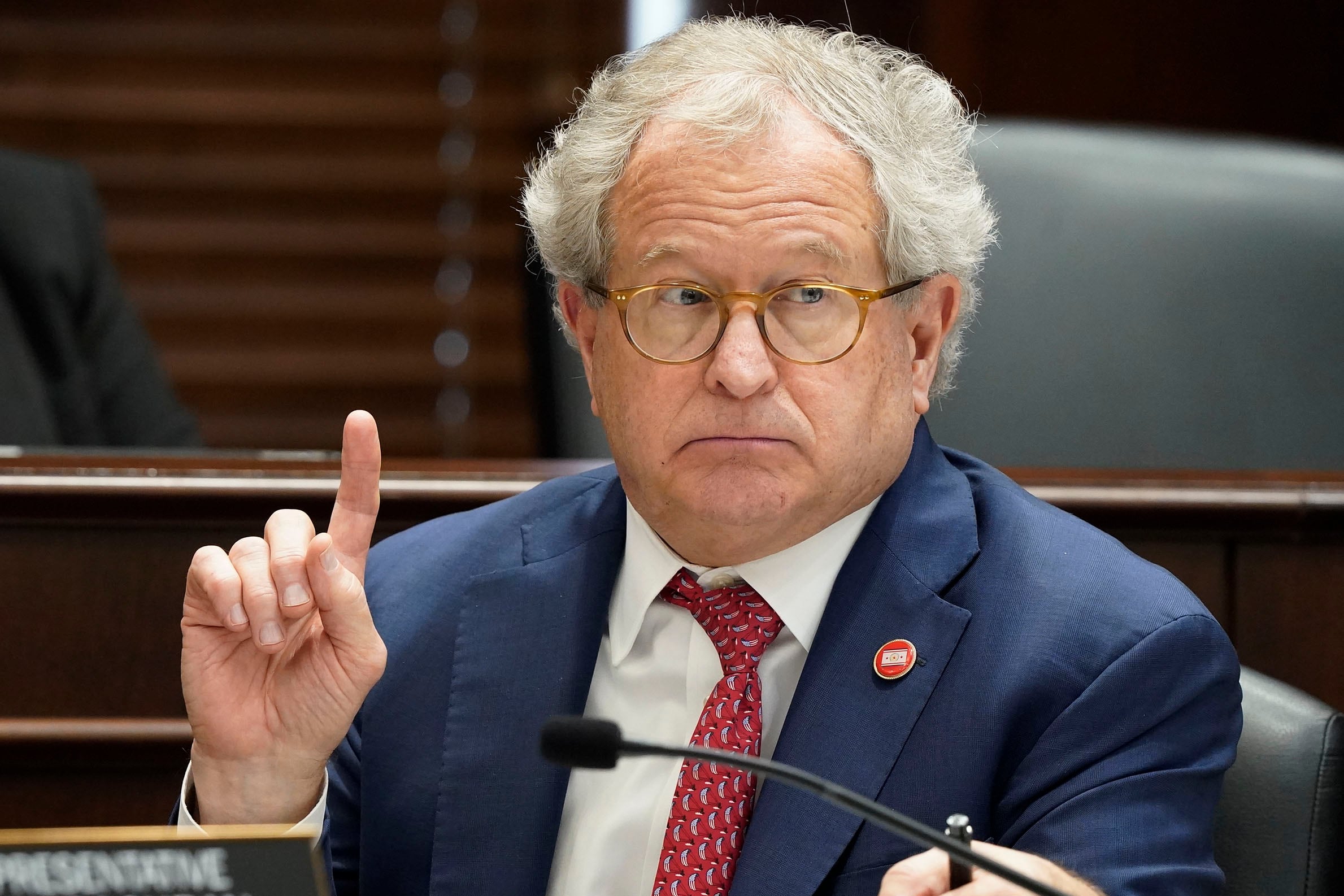
House Speaker Cameron Sexton and education committee Chairman Mark White confirmed this month they are committed to working with the Senate to pass a form of takeover legislation in the 2026 legislative session.
Republicans in the two chambers failed to find a compromise after passing differing versions of the bill earlier this year amid ongoing frustrations with school board governance and academic performance issues. If lawmakers can agree this year, change could come quickly to Memphis-Shelby County schools, which is already primed for major upheaval in 2026.
White’s plan would essentially install a governing oversight board with the authority to veto part or all of the local school board’s budget, the largest single decision the school board is responsible for.
White argued the oversight board must have the “teeth” to make significant district decisions, compared to the 2025 Senate version of the plan that would operate as an advisory board.
The oversight board under White’s plan would also have approval authority for any contracts or expenses larger than $50,000 and essentially control final charter decisions in the district. White’s proposal would institute the board for three years, with the potential for another three-year extension.
“Putting a board in place that has no authority to do anything is a waste of time,” Sexton said. “It does nothing. If you’re going to put it in, then you’ve got to trust them to make the decisions.”
Sen. Brent Taylor, a Memphis Republican carrying the Senate version of the bill, did not respond to a request for comment.
The Senate and House passed differing versions of the legislation in 2025, with the two chambers at odds over details of oversight board authority.
If Senate and House leaders can come to a compromise on the legislation when the General Assembly reconvenes in mid-January, it could quickly be passed into law. Because the bills are still live, the chambers could hash out any changes in conference without reverting back to a lengthy legislative committee process.
Potential oversight changes would be one of several significant changes on the horizon for Memphis schools.
The early 2025 firing of former Superintendent Marie Feagins ignited long-simmering dissatisfaction with the school board and triggered both local and state backlash. Now, all nine seats on the board are up for election in 2026, meaning Memphis voters may go to the primary ballot box this spring to vote for a board whose governing power could soon be greatly diminished under the legislative plan.
The board must also make a decision on the interim superintendent’s contract sometime in 2026.
White said he will move “full speed ahead” to enact “drastic” changes.
“I don’t believe an elected school board can fix decades of bureaucracy. I’m not putting blame on any past or present school board,” White said.
Legislative Democrats and Memphis-Shelby County school leaders have sharply criticized the takeover effort as political overreach, pointing to previous state takeover failures in the Achievement School District and incremental progress the district has made recently.
“State intervention in Memphis schools has historically failed to improve outcomes,” Memphis-Shelby County schools interim Superintendent Roderick Richmond said during a fall community meeting.
Launched a decade ago, the Achievement School District took control of low-performing schools and often turned them over to the charter operators. But the state intervention model led to no meaningful long-term improvements for students, research showed, and often sparked community backlash for takeovers in low-income neighborhoods.
Memphis schools have had some growth in recent years. This year, MSCS students outpaced the state average for academic growth in reading and math. More Memphis schools also earned top marks in Tennessee’s report card system for the 2024-2025 school year.
Yet the district continues to lag significantly in academic achievement, with less than 25% of MSCS students meeting grade level benchmarks in reading and math on state tests.
Sexton suggested any improvement is too little, too late after decades of underperformance in the state’s largest school district.
Republicans are also eyeing an ongoing state financial audit of the district, though both Sexton and White said the takeover legislation would move ahead regardless of those findings.
White has denied that the legislation amounts to a state takeover, given that members of the governing board must be residents of Shelby County. White says he, along with other Memphis natives, believe “we have to have local intervention.”
But under White’s 2025 bill, the appointing power for the oversight board would sit in state government and, by extension, give the Republican Party governing authority of local schools in a majority Democratic county.
Under the House bill, the Tennessee governor would appoint five members, and the House and Senate speakers would receive two appointments each.
Critics of the legislation have also warned the measure could have ripple effects beyond Memphis and encroach on local control in other areas of the state, though the legislation currently only applies to Shelby County. White’s 2025 legislation could trigger an oversight board in a local district if:
- 50% or more of enrolled students did not meet state testing grade level expectations.
- 30% or more of schools in a district receive a D or F state letter grade.
- 25% or more of students enrolled were chronically absent in the most recent school year.
- One or more schools have been identified as a priority school by the state education department.
- And the local legislative body of the county approves a resolution of no confidence in the local school board.
Melissa Brown is the bureau chief for Chalkbeat Tennessee. Contact Melissa at mbrown@chalkbeat.org.