Sign up for Chalkbeat Chicago’s free daily newsletter to keep up with the latest news on Chicago Public Schools.
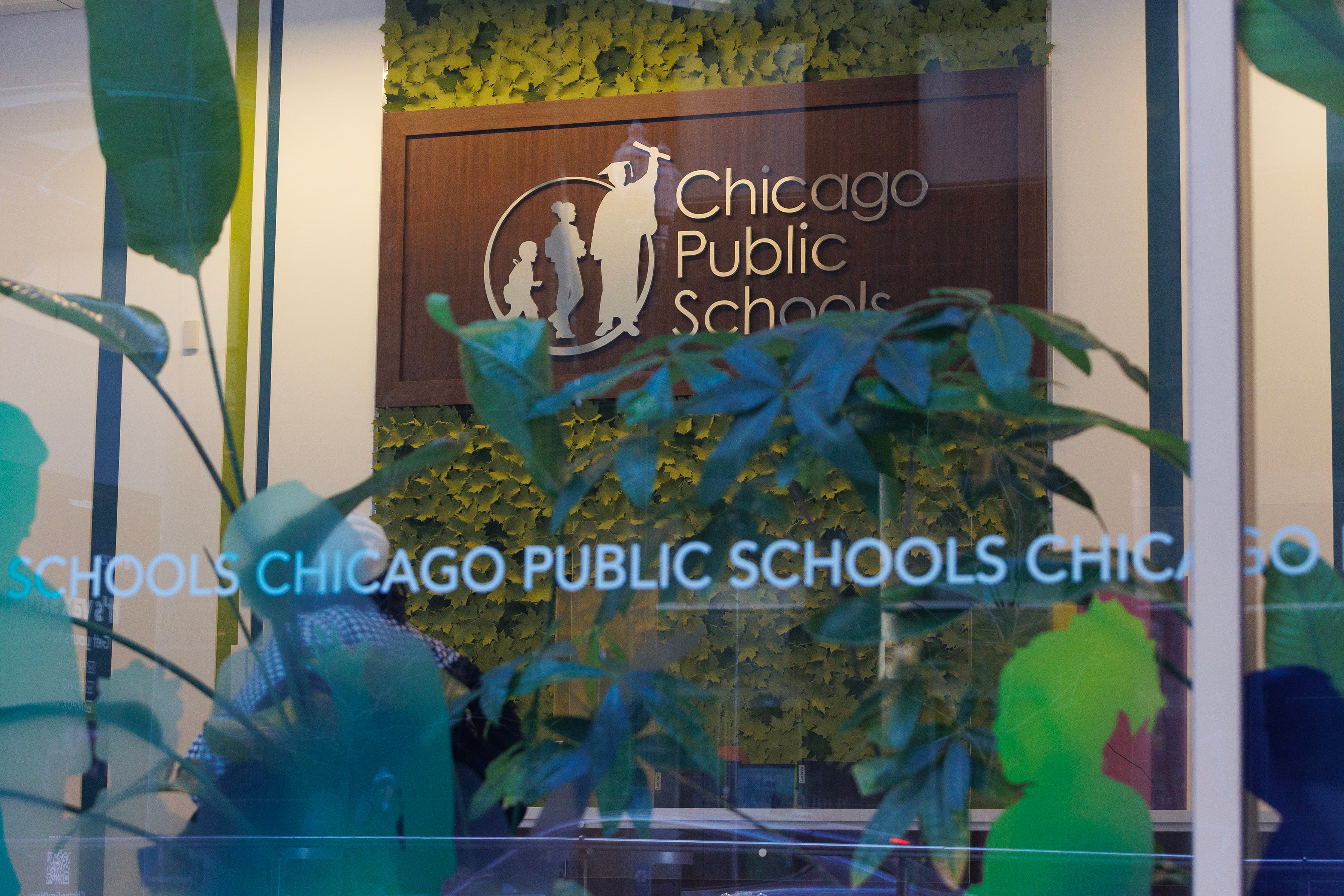
Chicago Public Schools has to repay more than $1 million in federal dollars after its in-house watchdog uncovered fraud involving a staffer who had inflated student enrollment numbers in a federally funded program for years.
That’s one of the fraud cases outlined in the annual report from the Chicago Public Schools Office of the Inspector General for fiscal year 2025, including some involving federal COVID assistance programs. The report, out Wednesday, also noted that the district last year stopped using a family income form after the watchdog previously found numerous teachers and administrators who are also district parents misreported their income on it, making their children eligible for fee waivers and other benefits.
Philip Wagenknecht, the district’s inspector general, said the case of the program manager who overstated enrollment numbers stands out because his office had previously flagged her and recommended discipline and stricter oversight. Fox News previously reported that the district agreed to repay federal funds from the Indian Education Formula Grant, meant for Native American students.
“With respect to fraud and financial mismanagement, this was arguably the most egregious conduct covered in the annual report,” Wagenknecht said. “It wasn’t a clerical mistake or an accident.”
In November, the inspector general also released a special report on district travel expenses, which ballooned following the influx of federal pandemic relief dollars. Some, such as a series of overseas staff development trips that included a hot air balloon ride and wildlife safaris, were costly and of questionable value, that report said.
The program manager who the watchdog says repeatedly falsified federal grant applications had been the focus of an earlier investigation in which the inspector general’s office uncovered similar issues. In 2021, the office had recommended discipline for the program manager and her supervisor, and urged the district to increase oversight of that program. Back then, the inspector general’s office found a longstanding practice of overstating the number of students enrolled in the program, which the report does not identify.
The district did not discipline the employees at the time, but added an extra layer of oversight. Nevertheless, last fiscal year the watchdog found the program manager had continued to submit inflated program enrollment numbers. For example, the district’s 2024-25 program application listed 275 enrolled students, but the watchdog found records for fewer than 100, many of them incomplete.
The district has fired that employee and placed a ban on rehiring her in her personnel file, according to the report. It also agreed to repay almost $1.2 million to the U.S. Department of Education by the fall of 2026.
In another case outlined in Wednesday’s report, a Chicago principal got two loans worth more than $41,000 through the COVID-era Paycheck Protection Program, which were later forgiven. According to the report, she claimed to be a struggling self-employed property manager, even as she made more than $140,000 in her school leader post. That principal was also the focus of a separate inspector general investigation that found she was absent from her school job for long stretches without explanation and generally neglected her duties as principal.
She told watchdog staff that she had no outside employment and that the information she submitted to obtain the loans and have them forgiven was false. The school board moved to dismiss that principal and place a ban on rehiring her.
The district watchdog does not customarily identify staffers or the schools that employed them.
The latest inspector general’s report also outlines the case of Brian Metcalf, a former CPS principal and network chief who in late 2023 was indicted on several counts of wire fraud related to a scheme to defraud an Indiana charter school network he oversaw. The CPS watchdog found that before he left the district in 2018, he also engaged in a phony billing scheme with a vendor named Kimberly Maddox that defrauded CPS of at least $88,500.
Maddox and another Metcalf co-conspirator were also indicted. Metcalf reached a plea agreement that involved paying restitution to CPS and the charter. He also admitted that he and his co-conspirators defrauded two post-CPS employers of more than $1 million.
CPS said in a statement that it’s taking the findings of the latest watchdog report seriously.
“As a district of more than 40,000 employees serving over 315,000 students, CPS remains dedicated to providing proactive, comprehensive training for employees and vendors, enforcing all policies, rules, and laws, and taking appropriate action, including implementing appropriate discipline when required, in accordance with the highest ethical standards,” the district’s statement said.
Mila Koumpilova is Chalkbeat Chicago’s senior reporter covering Chicago Public Schools. Contact Mila at mkoumpilova@chalkbeat.org.