Three weeks is all it took for a group of education, business and philanthropic leaders to raise $23 million that could change lives for Detroit children and their families.
That $23 million will provide a tablet, free internet access for six months, and technical support for each of the 51,000 students who attend school in the Detroit Public Schools Community District.
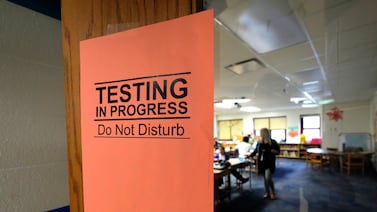
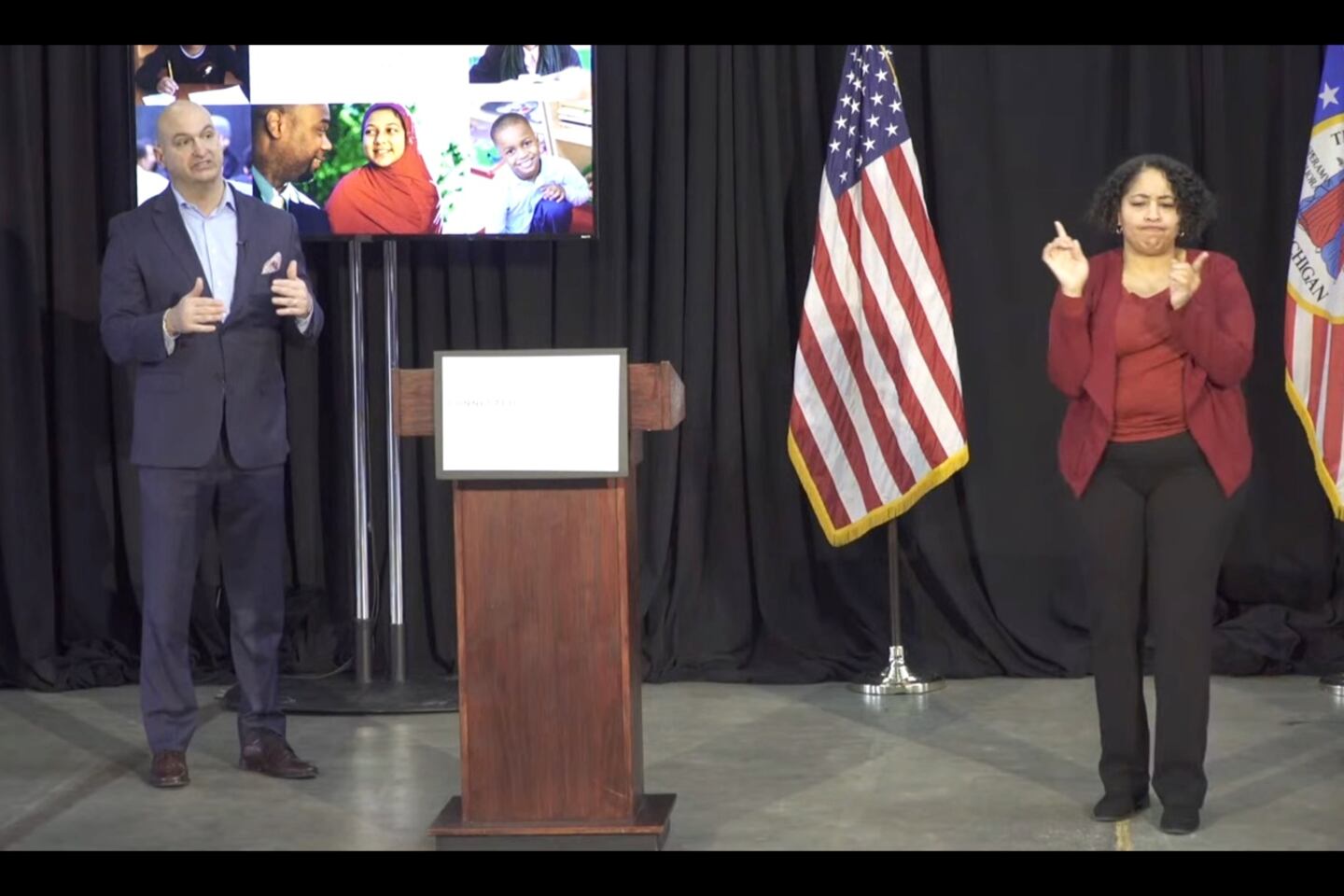
The investment is significant news in a district where lack of technology access limits learning opportunities for students during a time when school buildings are closed due to the coronavirus outbreak. Just 10% of the district’s students have been able to consistently access online learning materials, Superintendent Nikolai Vitti said during the announcement Thursday.
For Vitti and others, the new technology — which will be in the hands of students before the end of the current school year — will address existing inequities.
“I’m excited for them,” Vitti said of the district’s students. “They can have the same tools that children in other cities have.”
The district, businesses and philanthropic organizations have committed to the funding. They include the DTE Energy Foundation, the W.K. Kellogg Foundation (a Chalkbeat funder), Quicken Loans, General Motors, and The Skillman Foundation (a Chalkbeat funder).
It all began with a phone call from the Rev. Wendell Anthony, president of the Detroit branch of the NAACP to Jerry Norcia, president and CEO of DTE Energy.
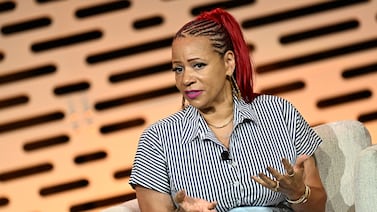
Norcia, Anthony said, “got the spirit, to use a church term.” Then came Tonya Allen, the president and CEO of Skillman, “who always has the spirit,” and connections with Vitti, Detroit Mayor Mike Duggan and many of the other business and philanthropic leaders who are a part of the effort.
“Out of this chaos, out of this mayhem of COVID-19 comes something that is a legacy for the children of this city,” Anthony said. “It positions Detroit like it has never been positioned before.”
What is significant about this effort is the wide-reaching impact it could have. While the tablets won’t arrive until June, after students have been learning remotely for more than three months, the devices will benefit students for a long time to come. The students will own the tablets.
Vitti said his hope is that the 2020-21 school year begins Sept. 8, as planned. But, he said, if some students, families or staff “are reluctant to come back” due to safety concerns, “we can move forward with blended learning models,” where some students are receiving face-to-face instruction while others are learning online at home.
The technology means that the students will be able to access the same online programs they use in the classroom while they’re at home. Learning, then, can continue in the evenings, on weekends, and on holidays.
“Nothing will ever replace a teacher. A teacher is central,” Vitti said. “Online learning allows learning to be augmented or supplemented. Time lost … can be recovered through this online learning.”
Duggan described an email he received March 27 that described the proposal, and a subsequent conversation he had with Norcia.
“What I told Jerry Norcia that day is that if you can pull this off, you are doing more than helping the children. These children have parents and older siblings who are looking for jobs and trying to access job training,” Duggan said.
“We could help break the cycle of intergenerational poverty, not just by improving the education of the children, but creating opportunities for their parents.”
Since Gov. Gretchen Whitmer ordered the closure of schools, the Detroit district has been providing a mix of printed academic materials to students and online lessons for those who have technology.
“This is an opportunity to solve a systemic issue around inequities that have existed in our city for years,” said Bill Emerson, vice chairman of Quicken Loans and Rock Holdings Inc.
Melissa Redman, a parent from Paul Robeson Malcolm X Academy, said she’s thankful the community was able to pull together. Learning during the pandemic, she said, “has been challenging for our kids.”
The tablets and internet access will ensure that “no child will be left behind at all,” Redman said.
Allen said there are already plans to extend the program so it benefits students who attend charter schools. More than half of the school-age children in the city attend charter schools in the city and suburbs.
“We want all children in the city to win,” Allen said. “They will have the tools they need for a 21st century education. We also will be creating a model for others in the state to mimic and marvel at.”