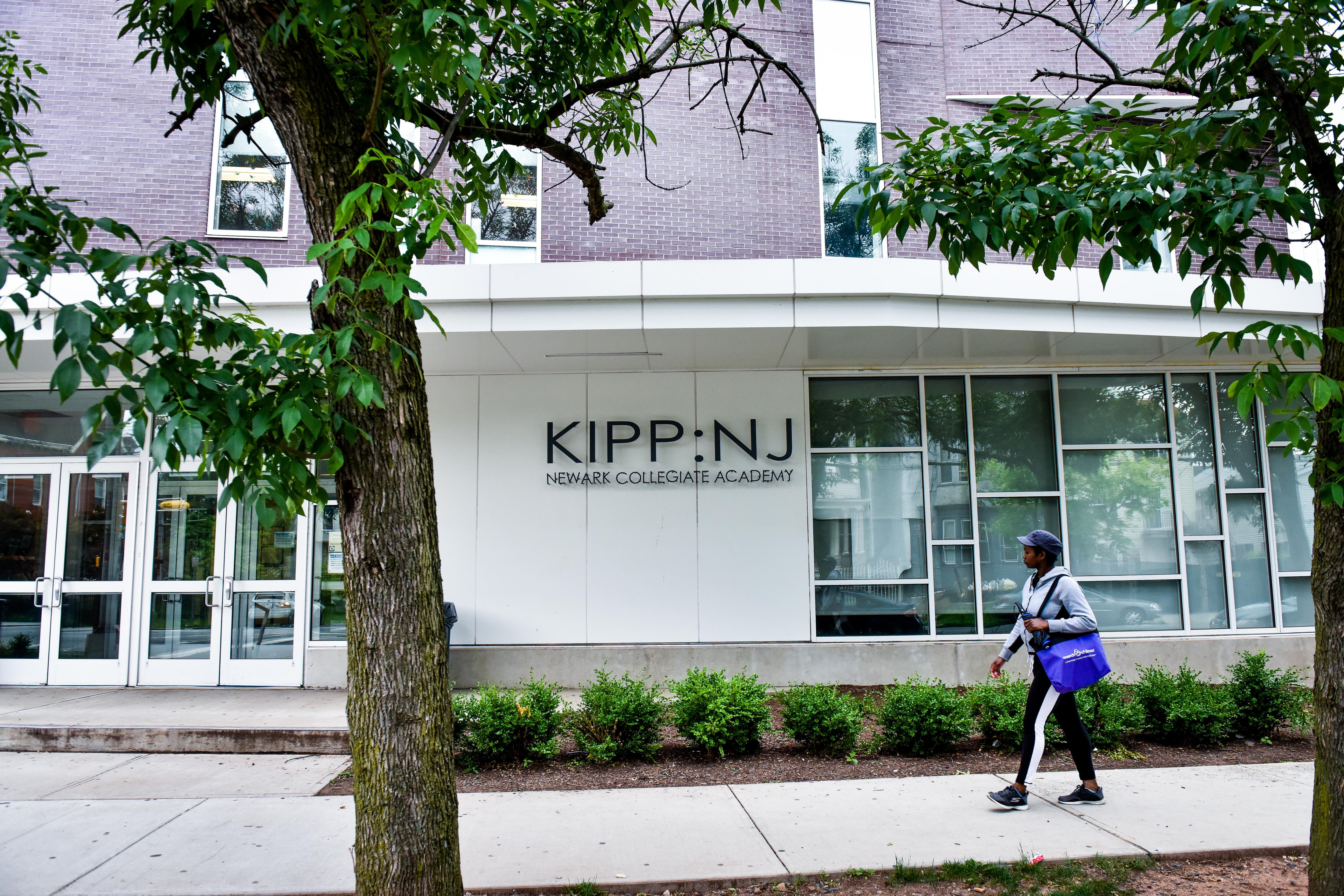
KIPP, the nation’s largest nonprofit charter school network, has dropped plans to purchase a 10 acre parcel of city-owned land for a K-12 school.
This doesn’t mean there won’t be a KIPP Detroit: Imani Academy. The network is already authorized by Central Michigan University to open a school, and it can tap into a $20 million anonymous donation to build a school somewhere else.
But the decision to walk away from the proposed land purchase is an early bump in the road for KIPP, which supporters say will bring a high quality education option to a city that doesn’t have enough. National operators like KIPP have historically avoided Detroit, where student needs are high, public support is low, and there’s no regulatory body to stop another school from opening next door and competing for enrollment and funding.
With its proposed opening date months away, KIPP must now choose another location after spending months working with the city on the sale and convincing its potential neighbors to publicly support the plan. The network’s U-turn also means the project will face less public scrutiny in coming months. City rules require public hearings for sales of this size, and the proposal was headed to City Council this fall for further hearings and a vote.
Candace Rogers, superintendent of the planned KIPP school, did not immediately return requests for comment. Melia Howard, manager for Detroit’s District 5, worked with KIPP on the planned sale. She confirmed that the network no longer wants to buy the land. The city canceled a public hearing set for Tuesday regarding the proposed $125,000 sale of 13141 Rosa Parks Blvd., a vacant parcel of land owned by the City of Detroit.
“We’re really disappointed because we’ve been working on this for six months,” said Teresa Clarington, president of the Longfellow Block Club. The club is named after the school that previously stood on the land KIPP wanted to buy. Clarington and other block club members have spoken extensively with Rogers about the proposed school and advocated publicly for the sale.
The club held a cookout on Monday and was expecting an update from KIPP officials, but the officials didn’t show up, Clarington said, adding that she hoped Rogers would eventually explain to block members why KIPP changed its plans.
Some Detroiters opposed the planned sale, saying the city has enough schools already for its shrinking student population. Detroit Superintendent Nikolai Vitti has spoken against it; education activists critical of the plan dominated a public meeting last month.
KIPP’s supporters in Detroit point to the network’s track record of academic success in communities of color. The network enrolls more than 100,000 students in 20 states.
Requests for comment from Mayor Mike Duggan’s office and the Central Michigan University charter schools office weren’t immediately returned Tuesday.
KIPP’s application for a charter, which was approved last fall by Central Michigan University, listed its Detroit address as 11457 Shoemaker Street. The network said at the time that it planned to begin operating at that address this fall with 110 kindergartners. Within a decade the network hopes to enroll 1,300 students K-12.