Sign up for Chalkbeat Indiana’s free daily newsletter to keep up with Indianapolis Public Schools, Marion County’s township districts, and statewide education news.
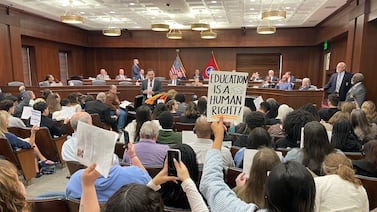
Lawmakers have changed a proposal to establish an advisory group that would examine sharing transportation and building assets between Indianapolis Public Schools and charters.
The amended bill, advanced Wednesday by the House Education Committee in a 9-3 vote, would also halt the approval of new charter schools — except for those authorized by the mayor’s office — from July to December of this year.
The advisory group, which Senate Bill 373 calls the Indianapolis Local Education Alliance, is the latest iteration of a proposal that initially would have required IPS to relinquish control over its buildings and transportation to appointed boards. But under the bill that advanced on Wednesday, the group will instead develop a plan for the collaborative use of transportation and facilities between IPS and charter schools within IPS boundaries. The group must complete such a plan by the end of this year.
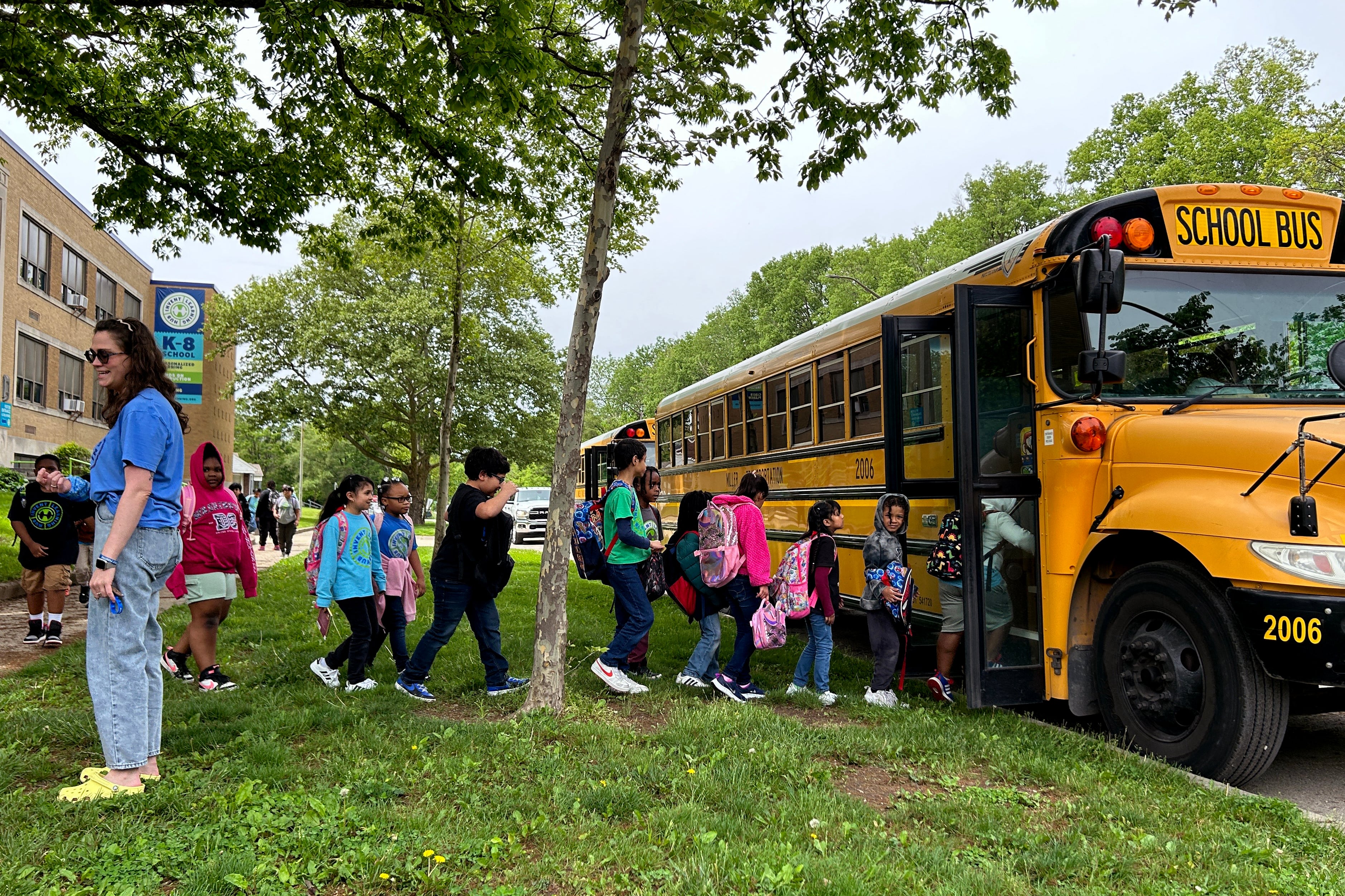
If it’s established, the alliance could ultimately lead to a significant shift in resources away from IPS, where schools have closed recently due to under-enrollment, and towards charter schools that can struggle to access adequate facilities and transportation.
The latest version of the proposed group comes after input from IPS, which has advocated for a local alliance of IPS residents to shape the city’s future educational landscape. The initial makeup of the alliance proposed by GOP Rep. Bob Behning last month prompted criticism from IPS.
The bill also allows other school districts, charters, and private schools throughout the state to opt into a pilot transportation or facilities program. The programs, which would run from 2026 to 2029, would establish local transportation or facilities boards to oversee those assets and study the possibility of collaboration between districts and other schools. The boards would have the power to approve or deny local property tax levies, but they would not have the power to impose taxes, as initially proposed.
The proposal isn’t the only big change afoot for schools in the state capitol: Lawmakers are also considering legislation that would require IPS to share more property tax revenues with charter schools.
Under the amended Senate bill advanced Wednesday, the nine-member alliance would include:
- The mayor or the mayor’s designee, who would serve as the alliance’s chair.
- The superintendent or the superintendent’s designee.
- One member appointed by the president of the IPS board who would not be a school board member.
- Four members appointed by the mayor, one of whom would be a business representative.
- One parent of a student in a charter school that’s in the district’s Innovation Network of autonomous schools. The parent would be appointed by the superintendent.
- One parent of a student in a district-run school who would be appointed by the superintendent.
Under the legislation, the Indianapolis Local Education Alliance would begin meeting by July and submit its recommendations to lawmakers and the state education secretary by December.
The district said in a Wednesday statement that it is encouraged by the revised bill, which IPS said would ensure “balanced representation” from the city’s educational landscape in the group.
“These revisions reflect important progress toward a more collaborative, community-responsive model for public education governance in Indianapolis,” the district said. “Any future proposals involving long-term transfers of authority, funding, or facilities must continue to center transparency, and the leadership of locally elected officials.”
The Mind Trust, an Indianapolis nonprofit that helps grow charter schools in the city, said in a statement that it also supports the amendment but would not support a long-term limit on charter authorizing in the future.
“This legislation paves the way for the creation of centralized approaches to facilities and transportation management that have the potential to expand access for students who attend both district and charter schools,” the group said.
The Indiana Charter Innovation Center, a new group launched last year that supports charters statewide, backed the pilot program.
“Historically, facility and transportation planning has often happened around charter schools—not with them,” said Scott Bess, the center’s president and CEO, in a statement. “This amendment corrects that by establishing local boards where charter leaders are equal partners in planning and oversight.”
The bill now moves to the Indiana House. The legislative session must conclude by April 29.
Amelia Pak-Harvey covers Indianapolis and Lawrence Township schools for Chalkbeat Indiana. Contact Amelia at apak-harvey@chalkbeat.org.