Sign up for Chalkbeat Indiana’s free daily newsletter to keep up with Indianapolis Public Schools, Marion County’s township districts, and statewide education news.
When high school junior Avelyn McGrane completes the veterinary science program at the Central 9 career center in Greenwood, she’ll have options.
After spending this year doing lab work in the classroom — which includes a rescue cat room — she can complete a year-long internship working with animals during her senior year. After graduation, many students go on to a two-year vet tech degree or a four-year program at Purdue University, said teacher Jessica Smith, and students can add four more years of veterinary school beyond that.
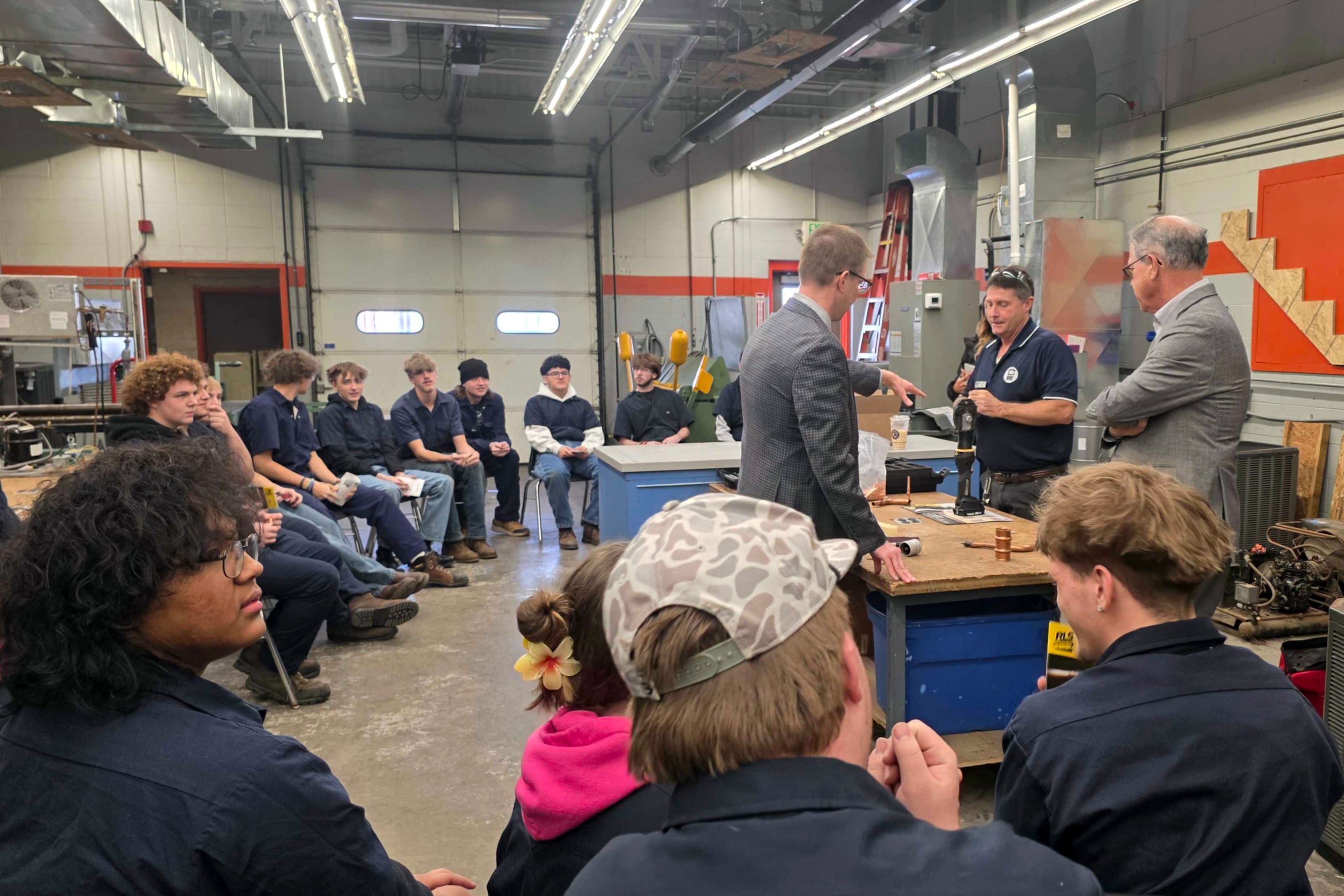
Established in 1972, Central 9 offers 26 career pathways to 1,200 students who come to the center from nine high schools in Johnson and Marion counties. On Tuesday, the center hosted its first-ever gubernatorial visit: Gov. Mike Braun toured the facility as part of his proclamation of February as Career and Technical Education Month, asking students and teachers about the post-high school opportunities the programs provide.
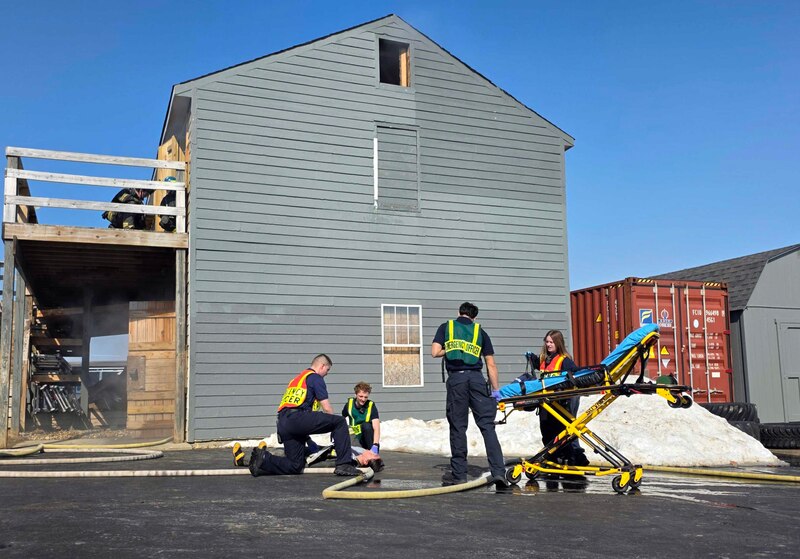
Career programs have taken the spotlight in Indiana since the state overhauled its graduation requirements to emphasize career experience in high school beginning with the class of 2029, or current freshmen.
The goal at Central 9 — and in career and technical education programs across the state — is for students to graduate with a diploma, some postsecondary education or training, and an idea of what they’d like to do after high school.
For Indiana, the push for workforce training in high school is also needed to address the shortage of skilled workers, state leaders have said, while calling on employers to provide more work opportunities to students.
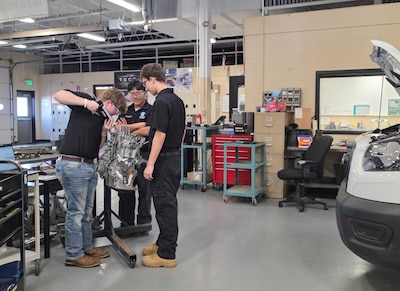
“We need a lot of HVAC professionals,” Secretary of Education Katie Jenner told students in the HVAC program Tuesday. Jenner joined Braun on his visit.
Each career pathway at Central 9 has an advisory board made up of industry professionals who can connect students to internships as well as help arrange donations of equipment like a fire engine. The Central 9 program also relies on federal Perkins grants that support CTE programs, said executive director Bill Kovach. The center has leveraged those funds to buy equipment such as a simulated ambulance and digital anatomy tables.
Some students, such as those in Central 9’s firefighting academy, may be eligible to go directly into the workforce, school leaders said. Students in the early education program are already working in nearby day cares, making lesson plans and planning art activities with the goal of eventually pursuing degrees in early childhood education.
McGrane said she isn’t immediately going into veterinary sciences.
“I love the class and I still have a passion for animals, but I’m going into the military,” McGrane said, to work with K9 teams.
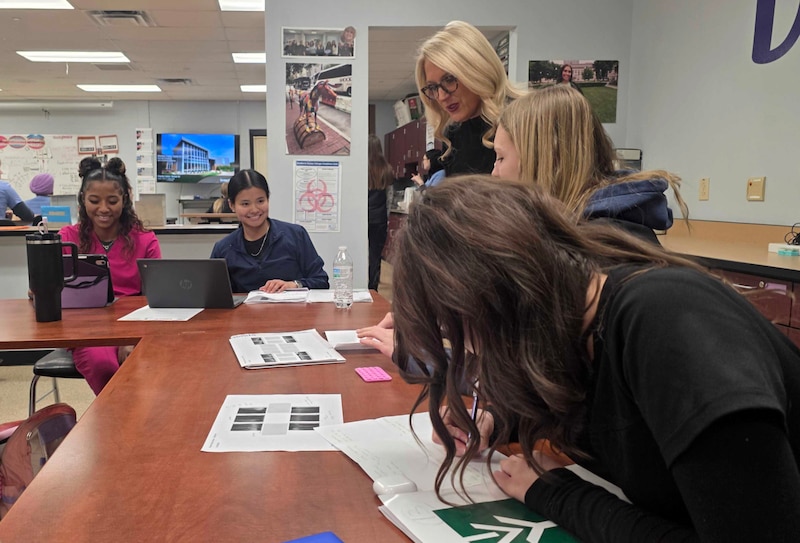
Students say they appreciate the freedom that real-world workforce programs provide compared to the traditional high school experience, said the school’s marketing manager, Tiffany Bickerstaff. But the program also expects students to meet recommended qualifications, like a minimum GPA or attendance, as well as skills like communication with adults coping with stressful situations, which Bickerstaff said helps get the “right student in the right seat.”
“We want them to understand this is adult-level training and college level curriculum,” Bickerstaff said. “The difference between here and high school is that we treat them like adults.”
Aleksandra Appleton covers Indiana education policy and writes about K-12 schools across the state. Contact her at aappleton@chalkbeat.org.