Newark schools reopening: What do you think about returning to classrooms?

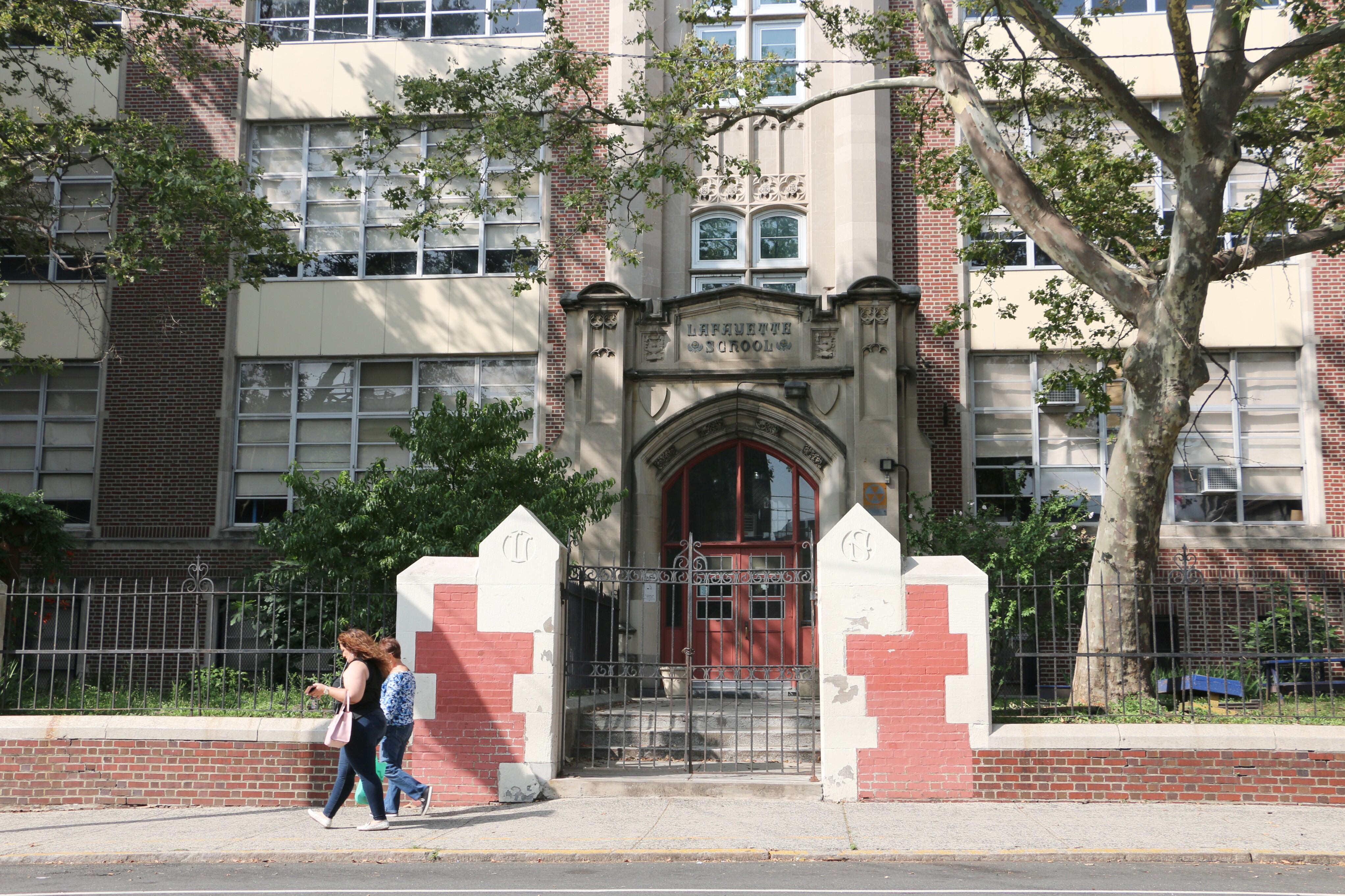
Lafayette Street School, built in the 1840s, is the district’s oldest school. Last year, four of its ceilings collapsed.
In a previous school year, students walk in front of Lafayette Street School. (Patrick Wall)

Across the country, a debate is raging about whether it’s safe to reopen schools this fall amid the ongoing coronavirus pandemic.

In New Jersey, Gov. Phil Murphy has insisted that most students will return to classrooms at least part time this school year. But recently he said that could change if infections surge. 

In Newark, Superintendent Roger León has promised that classrooms will be safe for students and teachers as schools follow the latest health guidelines. The district has even started testing out the new safety measures at two summer school sites, where students and staffers are wearing face masks and desks are spaced 6 feet apart.

Meanwhile, some parents and teachers have said they’re worried about the health risks of in-person learning and plan to opt for virtual classes this fall.

Chalkbeat wants to hear from parents, students, and school staff: Do you think it’s safe to reopen school buildings? Share your thoughts and questions below.

The Latest

The Denver school board approved a two-year, $3.5 million contract with TeachStart to provide year-long substitute teachers for certain schools.

A Chalkbeat analysis suggests that the district’s joint initiative with its teachers union hasn’t yet given its 20 pilot schools an edge over other high-poverty campuses when it comes to academics and school climate.

A Chalkbeat analysis found that staff turnover, unspent dollars, and community partner tensions have been key challenges for the 7-year-old program.

Superintendent Nikolai Vitti says the law punishes districts for system inequities that contribute to chronic absenteeism.

State lawmakers will consider creating a new agency to oversee IPS schools and charters. Here’s a look at the history and powerful advocates behind that push for unified control over city schools.

The majority of low-income Tennessee students did not receive help paying for summer meals in 2025 for the first time in years. Now, local officials want the state to bring back federal aid for 2026.