In normal times, Newark’s 16 charter school networks tend to operate independently of one another. But, like everything else during the coronavirus pandemic, that has changed.
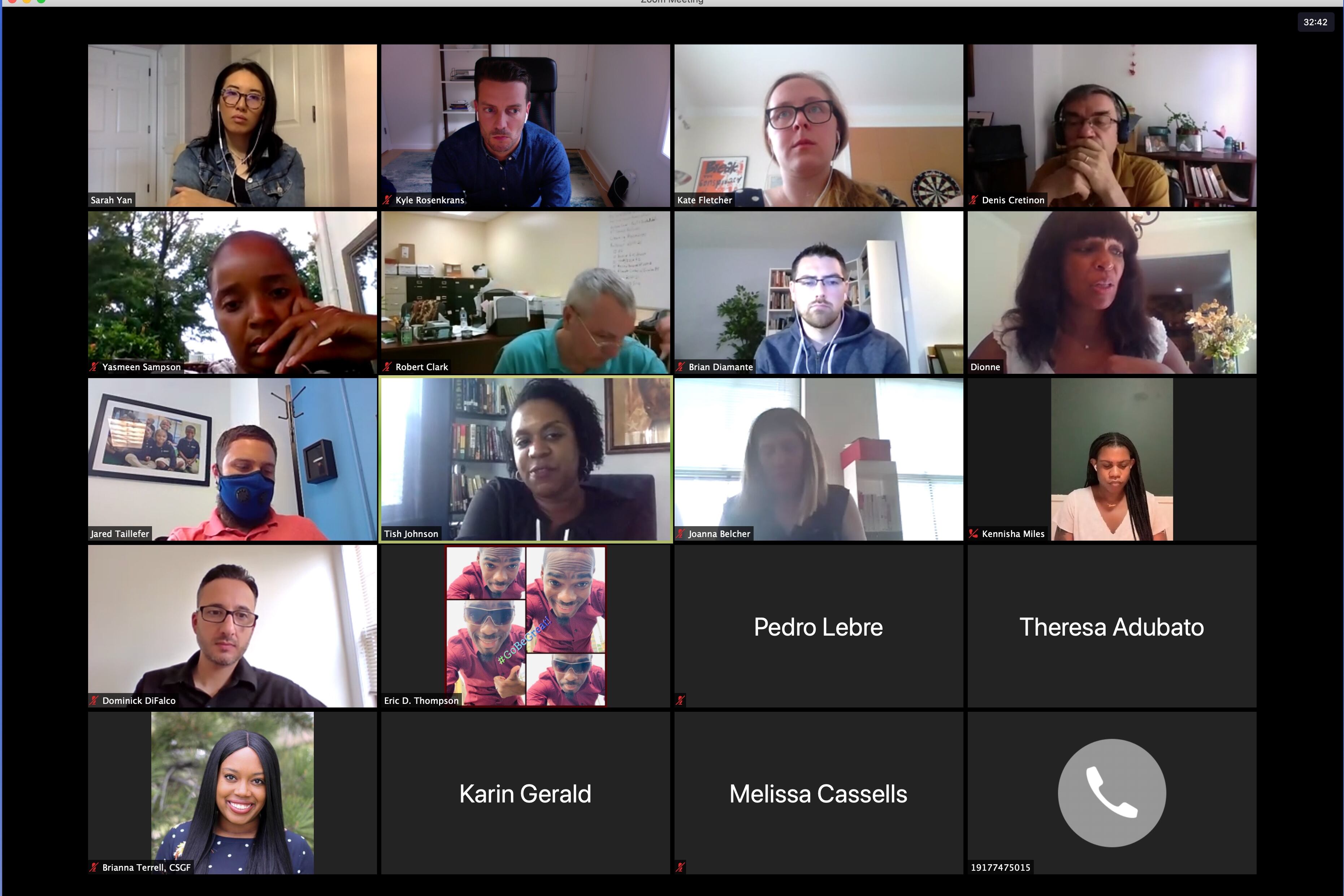
Lately, the city’s charter leaders have been meeting weekly on Zoom to commiserate and share ideas, seek the advice of outside experts, and talk through the greatest leadership challenge of their lives: reopening schools during a pandemic.
“Without a lot of prescriptive guidance from the state, it’s really on the leaders of schools and their communities to make a bunch of tough decisions,” said Kyle Rosenkrans, executive director of the New Jersey Children’s Foundation, a nonprofit that supports Newark charter schools and convened the virtual meetings. “We wanted to ease that process a bit.”
The weekly conversations led to the crafting of a “COVID-19 Compact,” signed by 13 of the charter operators, which lists four commitments the networks say will guide their decision-making as they prepare for an unprecedented school year. The commitments are to prioritize health and safety; make sure all students receive strong instruction, including students with special needs and those learning remotely; share their plans with families and employees and invite feedback; and provide students with the resources they need, including mental-health services, meals, and laptops.
“The assumption is that people should hold them accountable for doing those things,” said Rosenkrans, who has acted as an intermediary between Newark’s charter schools and the traditional school district.
Last month, the New Jersey Children’s Foundation surveyed charter schools — which collectively educate well over a third of Newark’s public-school students — about their reopening plans.
Among the 10 networks that responded, most said that under 10% of teachers had requested to work remotely this fall, according to the foundation. Families’ preferences varied by school: Just 3% of parents at one school opted for all-remote learning, while 60% of parents at another school made that choice. Most schools are planning for a roughly even split of students learning completely virtually and students learning at least part of the time in school, the group said.
However, those numbers are likely to change after Gov. Phil Murphy announced Wednesday that schools can delay in-person learning if they aren’t prepared to reopen safely. Several of Newark’s largest charter school networks have already said they will begin the school year with all-remote learning, and other schools may follow suit.
“I would think a majority of the Newark charters will reopen remotely,” Rosenkrans said Wednesday. “Whether the number pushes above 75% is an interesting and open question.”
Whatever the schools decide, they have promised to abide by the principles in the reopening compact. Read the full document below.
Charter Reopening and Remote Learning Compact_8_13_20.pdf