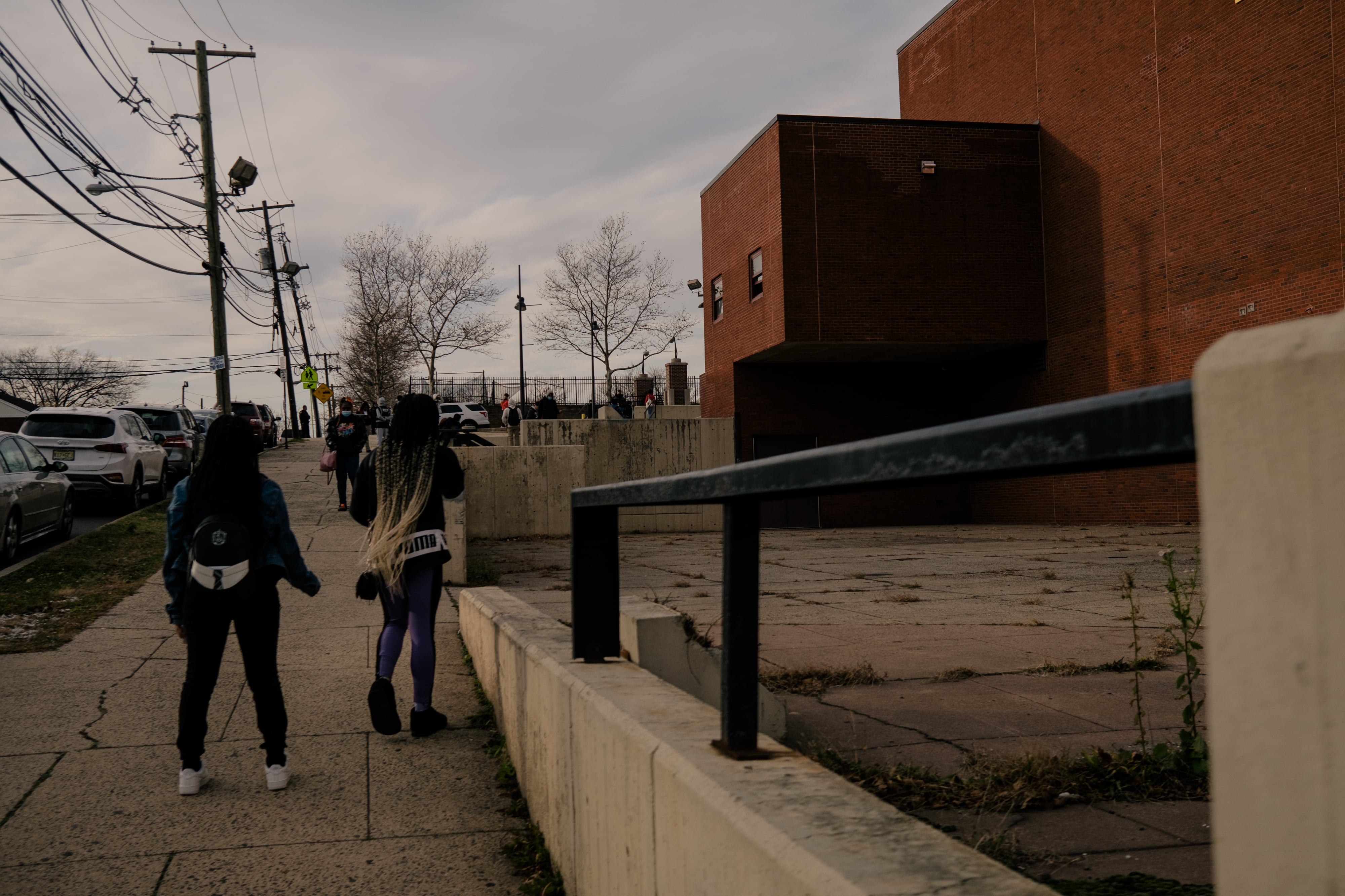
Newark Public Schools has a history of poor attendance rates and chronic absenteeism among its students. The pandemic disrupted student learning and in-person interactions, further eroding school attendance.
To better understand the barriers to attendance, Chalkbeat Newark is looking to speak with students, parents, guardians, educators, and family members who know or have a student who’s missed school in a Newark public school and the challenges they face in getting there.
Regularly missing school can be disastrous for students and may lead to lower test scores and a higher risk of dropping out. The district continues to average a 91% daily attendance rate but schools with high average daily attendance may still have a core group of chronically absent students.
Students are considered severely chronic if they miss ten school days or more a year and chronically absent if they miss less than nine and a half during that same time frame. In a month, a student is chronically absent if they miss more than two days and severely chronically absent if they miss more than three and a half school days.
According to experts, students who miss that much school tend to have a greater risk of getting in trouble with the law, among other negative impacts.
Newark absenteeism is on the rise this year and exceeds fall 2019 rates, when 17% of students were chronically absent, but remains behind fall 2020 rates when 32% of students were chronically absent during remote learning.
Chronic absences sometimes vary from year to year for different reasons that can be tough to pinpoint. This year, Newark school leaders are grappling with pandemic-era challenges and barriers to getting to school such as transportation issues, housing instability, student illness, and school learning environments as they work to get students in classrooms.
A look at the district’s fall data shows that roughly 21% of students were chronically absent from September to December 2022, with 8% of those students considered severely chronic, according to Newark Public Schools in January.
In November, just over 35% of the district’s students were reported as chronically absent, with roughly 12% of students categorized as severely chronically absent that month, according to data presented by the Newark Board of Education. The numbers reflect a roughly 4% increase from the previous month when 31% of students were reported as having a chronic absence.
The district has used attendance campaigns to motivate students to get to school every day in the past. This year, it launched an incentive program offering gift cards and tickets to New Jersey Devils home games to students at four high schools to help reduce chronic absenteeism among high school students.
Some students can find motivation in rewards programs that incentivize students to be in school, but those who are chronically or severely chronically absent may need more intensive support to address their attendance issues, according to Hedy Chang, the executive director for the national nonprofit Attendance Works.
Does your student face barriers in getting to school? Has the pandemic made it harder for your student to attend classes regularly? Please fill out the survey below to help us understand what’s causing chronic absenteeism in Newark and why students are struggling to get to school.
Jessie Gomez is a reporter for Chalkbeat Newark, covering public education in the city. Contact Jessie at jgomez@chalkbeat.org.