Sign up for Chalkbeat Philadelphia’s free newsletter to keep up with news on the city’s public school system.
Two thousand more students will be able to participate in the Philadelphia School District’s free summer programs this year, but looming budget deficits and threats to federal funding may put those programs at risk.
Starting in June, some 25,000 students from all grade levels will get the chance to spend their summer learning to weld, launching a small business, playing in a drumline or citywide orchestra, attending summer camp, or brushing up on their academics.
In total, the programs will operate in 135 schools across the city — but spots are limited. And even though the district is expecting to serve two thousand more students this summer than last year, that’s a fraction of the nearly 118,000 students the district educates.
Families can sign their kids up for the free summer programs here.
The district is also facing ongoing threats to federal funding from the Trump administration, the end of pandemic relief money that supported many of these summer programs, and a looming budget deficit.
For now, Superintendent Tony Watlington said the district has the funding and is prioritizing its summer offerings as a way to bolster student learning and improve upon the slight academic gains made recently.
“This district has done a really good job of managing its fiscal health,” Watlington said at a press event at Thomas Edison High School Tuesday. “While there are some districts that are suffering this summer with their summer programming, we’re not one of them, because we’ve been good stewards of the public tax dollars.”
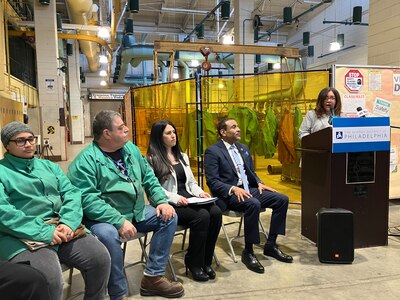
Edison Principal Lilian Izzard said summer career and technical programs like the welding class offered at her school are “invaluable for students” as a way to try something new. They also offer students the opportunity “to see themselves in a high school setting like Edison, to see if this school could be a good fit for their high school journey.”
Barry Pearl, a longtime welding educator at Edison, said he’s excited to work with his students this summer. Last summer, they made metal roses. And during the school year, students have taken on practical work like making height adjustments to metal chairs, as well as working on perfecting their technical skills.
Pearl said some of his students are natural welders, and he finds meaning in helping them advance their skills and set them on a path to a job that pays well.
“Last year was the first year, and it really took off,” Pearl said of the summer welding program. “I’ve been doing this for 40 years, and it’s just amazing.”
Carly Sitrin is the bureau chief for Chalkbeat Philadelphia. Contact Carly at csitrin@chalkbeat.org.