Sign up for Chalkbeat Philadelphia’s free newsletter to keep up with the city’s public school system.
“Say good luck and shake hands at the beginning of the game, and say good game at the end.”
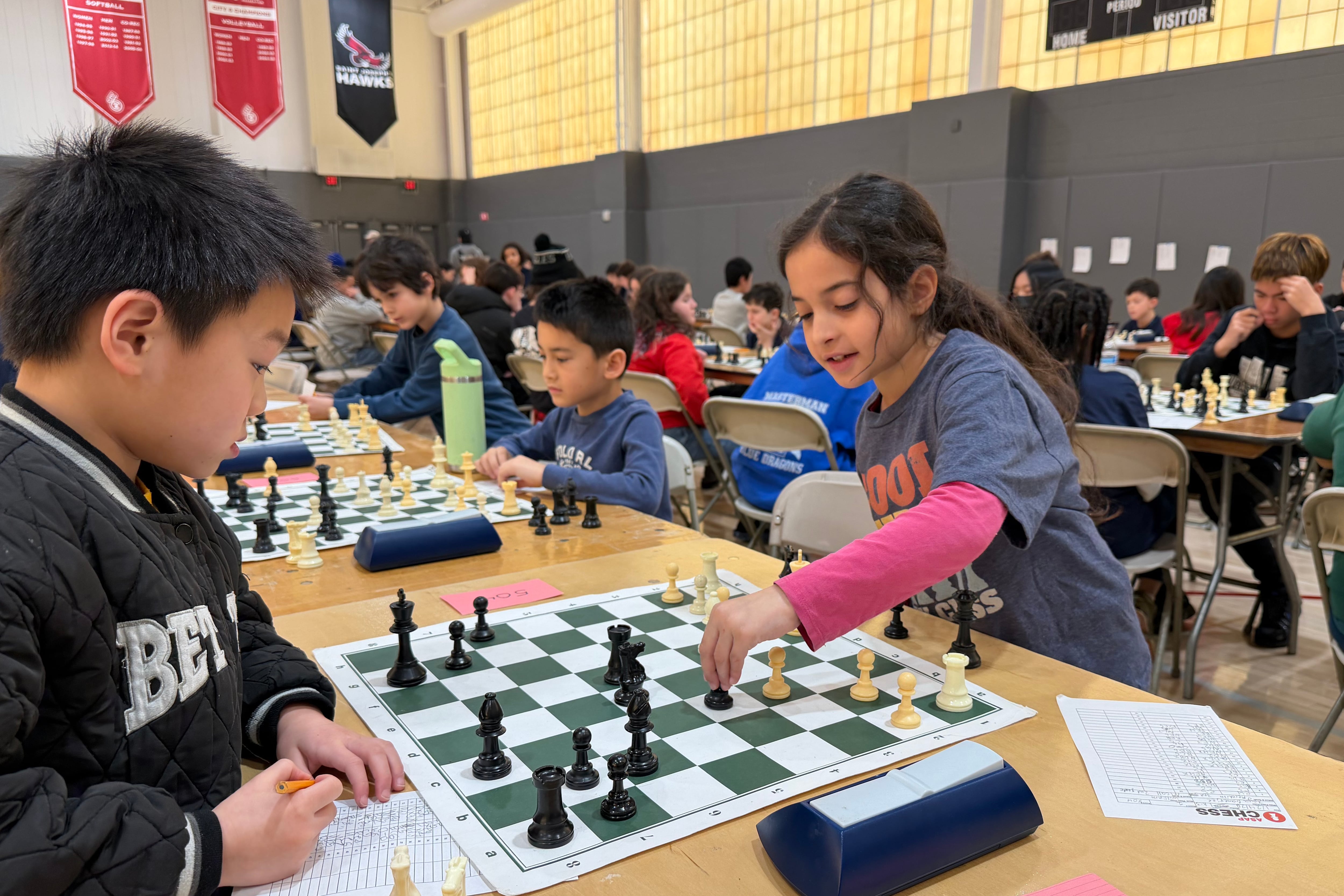
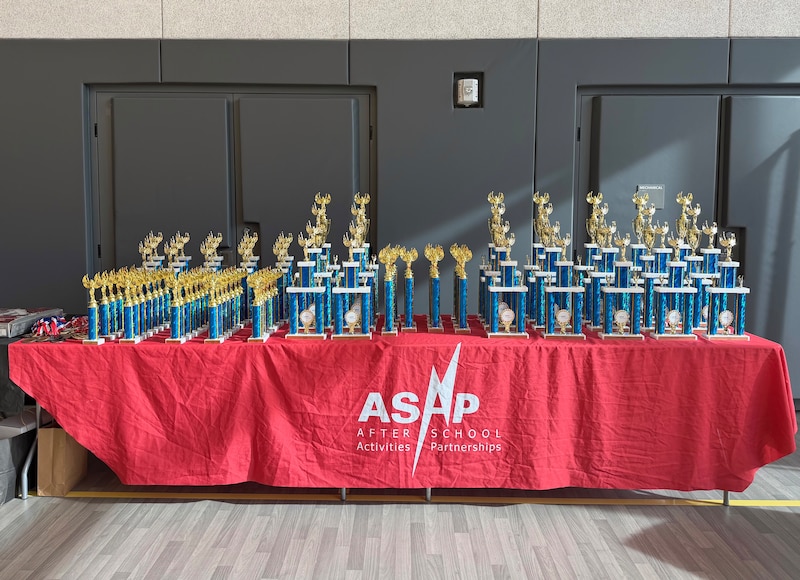
The tournament director gave this parting advice to 150 student chess players on a recent Saturday morning at Saint Joseph’s University in Philadelphia.
The participants, all in grades K-12, were silent and attentive as they prepared to compete.
That level of concentration is what organizers of the 19th annual PECO-ASAP Checkmate Violence tournament aim to instill in Philadelphia youth. The idea driving the event, which is hosted by the After School Activities Partnerships, or ASAP, is to protect kids from gun violence by keeping them busy, and teaching them critical thinking.
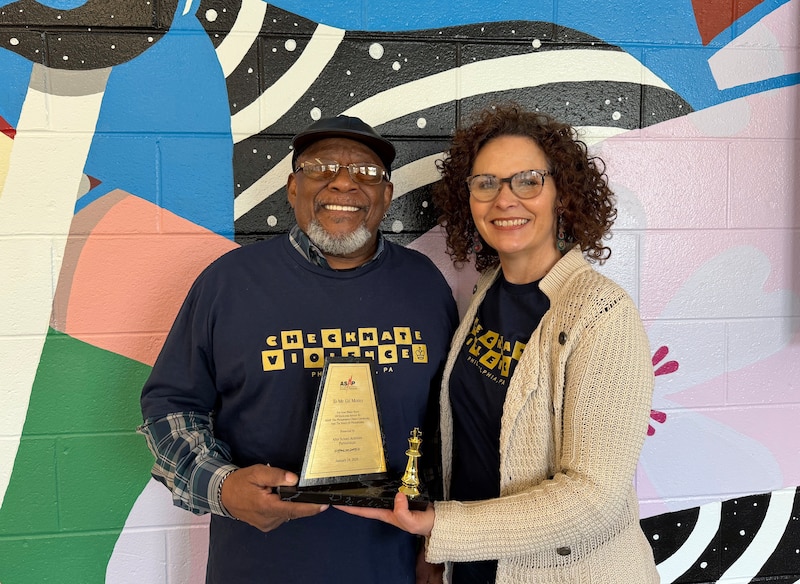
“Think before you do something, think before you act,” said Gil Motley, the event’s founder.
It’s what he used to tell the kids he coached in 2008, when he launched the chess tournament in response to concerns about shootings. He says it’s just as needed today.
There were 206 fatal shootings in Philadelphia last year, and about 10% of victims were 18 or younger according to data from the City of Philadelphia.
Arguments are the motive behind half of all shootings in Philadelphia, according to a 2022 multi-agency report.
Montgomery Brown, an 11th grader at the George Washington Carver High School of Engineering and Science in North Philly, said gun violence happens “because there’s just a lot of kids on the street who don’t really have anywhere to go.”
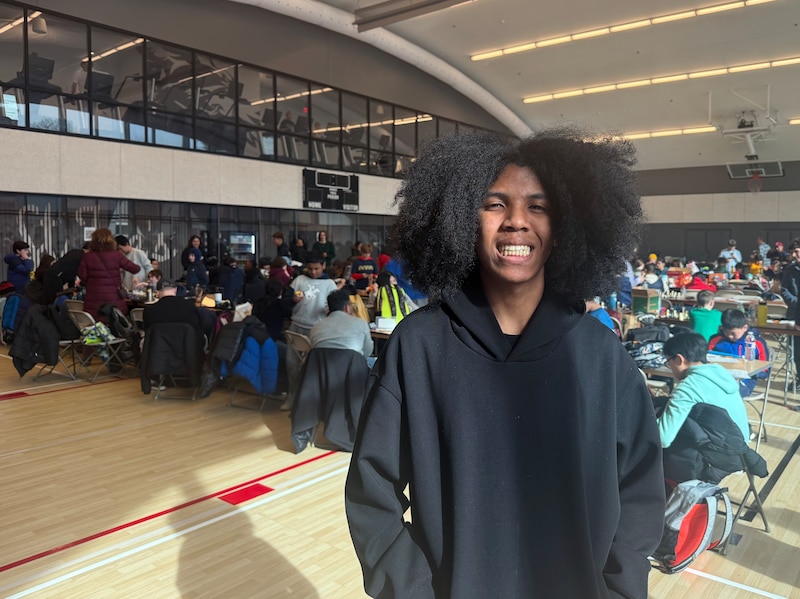
He’s been able to avoid dangerous situations by keeping his head down, and spending time in the ASAP chess club at Carver.
“The thing about chess is it’s honestly the perfect way to just get kids to sit inside, sit down, and think about what they’re doing,” he said.
About 1,000 students across the city play chess with ASAP. The nonprofit supports chess, drama, Scrabble, and debate clubs at K-12 schools as well as libraries and recreation centers.
Most clubs meet twice a week after school, though some meet every day. Students learn from a club leader, who may be a teacher or other school staffer, and trained volunteers. ASAP provides supplies, curriculum, and support from a site director. Individual clubs may put on their own tournaments throughout the year.
Checkmate Violence is ASAP’s free annual citywide chess tournament, which draws about 200 to 250 players every year, organizers said.
Chess has been used to reduce violence between incarcerated people, and substantial research supports the use of after-school programs more broadly as violence prevention. Chess has been shown to improve math skills and “overall cognitive ability” in middle school students, though it has not been studied explicitly as a violence intervention for youth.
After-school hours are an especially dangerous time for children: The risk of child firearm injuries around New York City public schools was 45% higher between 2 p.m. and 6 p.m. on school days, according to researchers at Boston University.
In Philadelphia, where many young people have lost friends to shootings or live in places that feel unsafe, chess clubs serve as a haven.
At Northeast High School, teacher and chess coach Saul Machles said his club was a space for students to heal after several of their classmates were shot at a SEPTA bus stop near Northeast High School in 2024.
One of their fellow chess team members was injured, and eventually came back to the team.
Other students in the club “were definitely traumatized,” he said. “It was something we had to really struggle with.”
Lemuel Rosa, a site director with ASAP, helps run the chess club at Esperanza Academy Charter School in Kensington, a Philadelphia neighborhood hit hard by the opioid crisis. He said his chess club offers a break for students who grapple with stress both at home and in their communities.
“We’re just a club, but it kind of becomes an extended family,” he said. “I really enjoy that they have that escape. Because people find negative escapes, but this is a positive.”
This story has been updated to include the full name of the chess tournament.
This story is part of a collaboration between Chalkbeat Philadelphia and The New York Times’s Headway Initiative, supported by the Stavros Niarchos Foundation (SNF) via the Local Media Foundation.
Sammy Caiola covers solutions to gun violence in and around Philadelphia schools. Have ideas for her? Get in touch at scaiola@chalkbeat.org.