This story was originally published by The Pennsylvania Capital-Star.
Legislation that would mandate a universal bell-to-bell cellphone ban in public and private schools across Pennsylvania now heads to the House after getting the nod from senators.
A bipartisan group of senators petitioned their colleagues Wednesday to move the proposal, noting that Gov. Josh Shapiro has already endorsed the idea.
“We are spending nearly $12 billion here in Pennsylvania on K-12 education this year alone, but we’ll be flushing it down the drain if we can’t recapture our students’ attention,” said sponsor Sen. Devlin Robinson. “Our schools are for learning, and our kids need a break from these devices.”
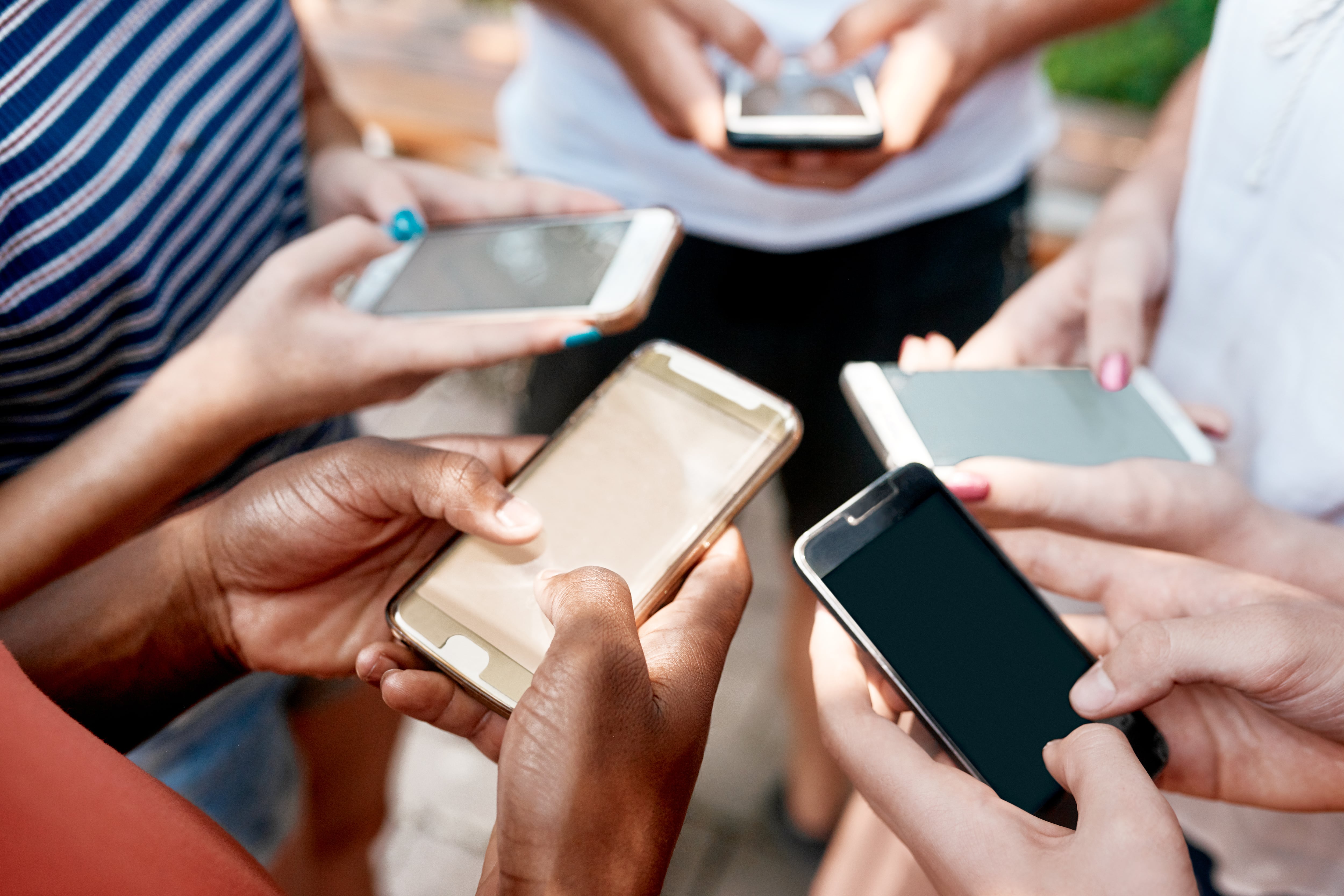
In particular, lawmakers shared concerns about the addictive nature of smartphones and how they disrupt learning in the classroom. Sponsors pointed to numerous studies linking cellphone use with poor mental health and worse academic performance.
Combining a pocket-sized handheld computer with addictive apps creates “the perfect storm … not just for kids, but frankly for adults too,” said Sen. Steven Santarsiero, a cosponsor.
“Kids actually have to be able to pay attention in class, to absorb what’s happening,” said the former teacher. “But more than that … those hours, the minutes between classes and the time spent in recess or in the cafeteria at lunch, that’s time when young people need to be talking to each other. They need to be having those relationships.
“Saying, ‘From bell to bell, you’re not using (a phone),’ is what will enable them to do that,” he added.
Proposed ban includes exceptions for students with disabilities
Some early pushback came from parents, including legislators, worried about contacting their children during an emergency, such as a school shooting.
Santarsiero shared a story from 17 years ago during a 90-minute school lockdown, back when students started using flip phones. As it stretched on, kids texted each other rumors, convinced that a gunman was roaming the halls.
“Kids were understandably becoming hysterical, and it made my job in keeping them calm and quiet much more difficult,” he said. “It turns out that the lockdown happened because there was a burglary a couple blocks away … there was never anyone inside the school who had a gun.”
“From my personal experience, these things are not helpful in those circumstances; they are an impediment,” Santarsiero continued.
In a November hearing, school safety experts echoed the need for students to listen to their teachers and school officials in emergencies — and not be distracted by their cellphone.
The bill does include exceptions for students with individualized learning programs or other medical needs. Teachers can also request to incorporate the devices into a lesson plan with administrative support.
Over three dozen states and Washington, D.C. have enacted statewide phone restrictions for students, including 18 with full-day bans or other comprehensive prohibitions.
Senate Bill 1014 advanced on a 46-1 vote over the opposition of Sen. Dawn Keefer. In a December committee, Keefer hesitated to support a one-size-fits-all approach, noting maturity differences between middle grades and high school, and pushed for schools to adopt their own policies.
Kelly Marsh, a mother of three outside of Pittsburgh, is one of the leaders of parent-led PA Unplugged pushing for the law. She called it the “gold standard,” noting the increasing amount of time students report spending on their phones during the school day.
“Teachers, kids, and parents have been tasked with managing the unmanageable. It’s time to recognize that our current approach isn’t working,” said Marsh. “This type of legislation is an important first step for a much-needed cultural change.”