
Pennsylvania Education
Democrat Josh Shapiro has spent his governorship threading a needle on education. Republican state Treasurer Stacy Garrity has taken a stronger stance in support of public school alternatives.
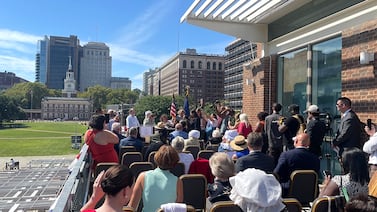
The events’ organizers hope the Philadelphia festivities will help students understand democracy.

Philadelphia educators typically use PSSA and Keystone results to plan classes and student supports. This year, the scores are on hold as the first day of school approaches.
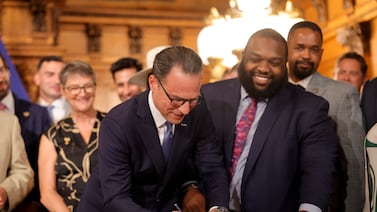
The budget directs more funding to the state’s poorest districts. But advocates say more funding is still necessary for literacy and early childhood education.

Pennsylvania’s state budget will be late again. But a key House Democrat says a major impasse on education is unlikely.
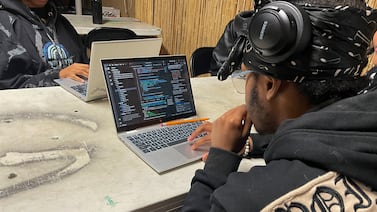
Last year in Pennsylvania, there were nearly 150 pre-apprenticeship programs with around 3,200 active participants, according to state data. That’s three times the number of participants compared with two years prior.

Each year, high school students serve as poll workers in their communities.
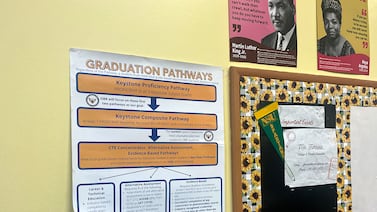
Philadelphia teachers say many students are earning low-value credentials as an easy path to graduation. No one knows if that’s benefiting graduates.

Shapiro says he wants to see how much authority states will have over the program under rules that will be released by the U.S. Treasury Department.
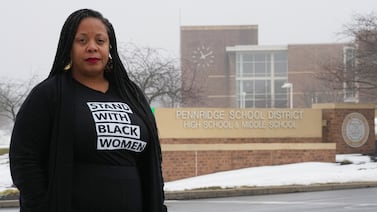
Pennsylvania is among the states considering new civil rights enforcement powers as Trump dismantles the Education Department. Replacing the federal role won’t be easy.
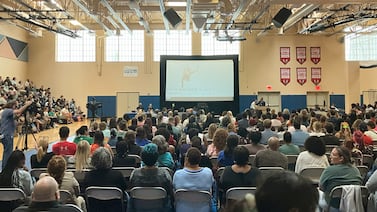
Small teams of educators working together to support students and improve their teaching styles could be the key to keeping more teachers in the classroom, advocates say.

The proposed bill includes some exceptions, including for students with disabilities.

Gov. Shapiro is also seeking $158 million for career and technical education programs, $420 million for pre-K programs, and $35 million for student teacher stipends.
The number of Philadelphia students passing their state exams to graduate has plummeted over the past three years. Some researchers worry that there isn’t enough evidence that the new paths to graduation are all useful.

The new state budget also includes $10 million for literacy instruction and initiatives.
The budget will send $193 million more to Philly schools and add accountability reforms for cyber charter schools, among other changes.

State lawmakers say they could be nearing a budget deal. But the delay has already been costly for schools.
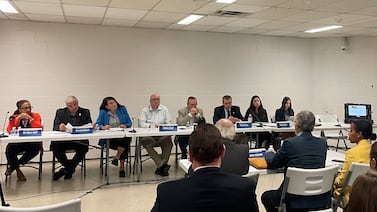
One legislator backing the bill said the current state of school buildings is ‘both a crisis of education and a public health crisis.’