Did you know search engines like Google are changing the way you see news? Keep Chalkbeat’s valuable education coverage at the top of your feeds by clicking here and checking the box next to our name.
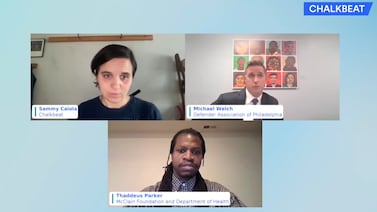
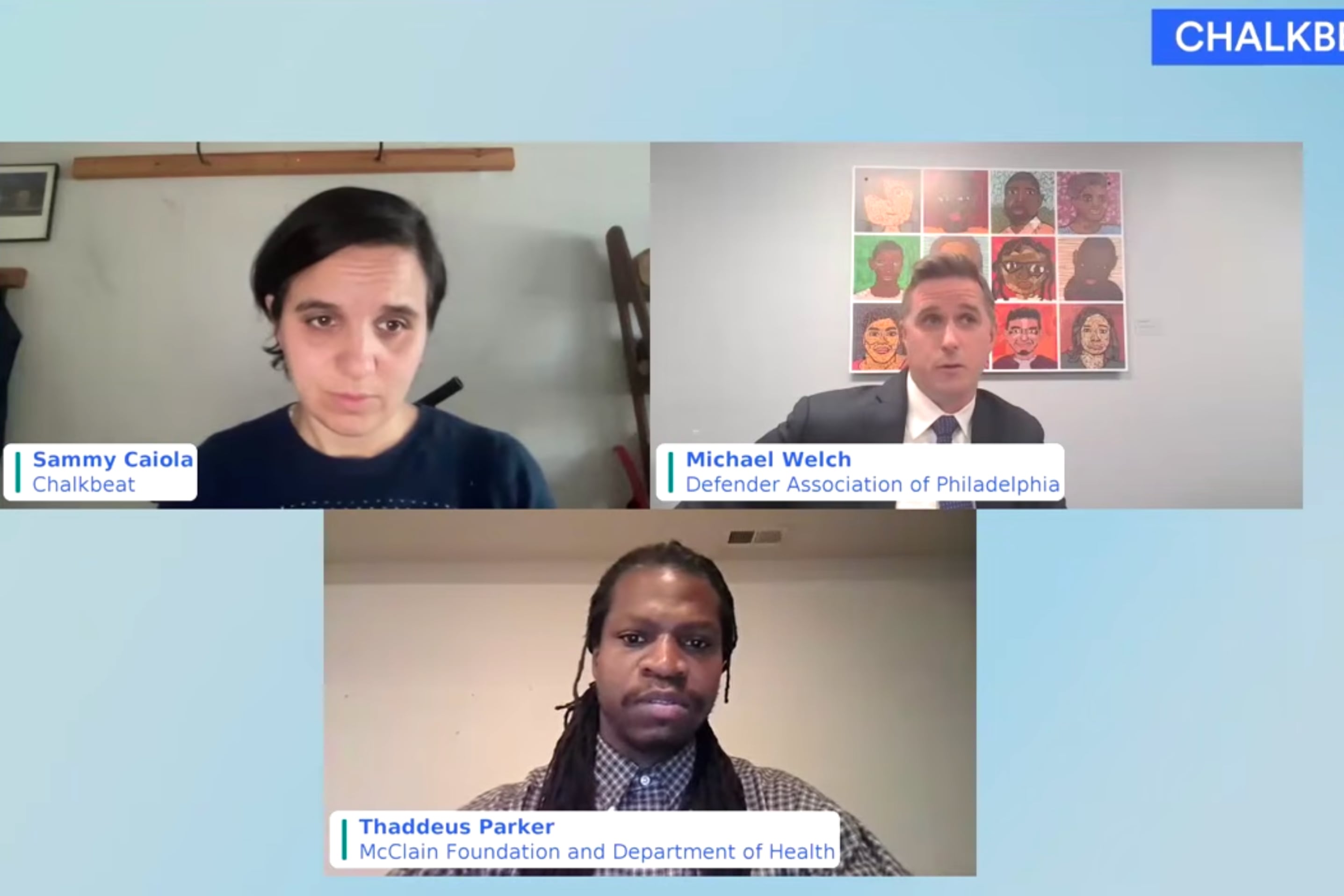
Students returning to their communities after serving time in juvenile facilities often require extra support to make it to graduation. A panel hosted by Chalkbeat Philadelphia this week focused on how adults in the educational and carceral systems can improve that support.
At the heart of the conversation was Act 1 of 2022, a Pennsylvania law designed to improve “educational stability” for youth impacted by the justice system, foster care, or homelessness. Earlier this month, Chalkbeat Philadelphia published a feature story about how the law is being implemented for justice-involved students five years after its passage. Under the law, eligible students are entitled to a school contact who will help ensure that the coursework they take behind bars gets counted when they return.
But panelists and event attendees said students still face challenges getting their transcripts and other educational documents transferred from multiple facilities. That can make it harder for them to stay motivated to finish high school.
“Education reduces recidivism, education makes Philadelphia safer,” said Michael Welch, education attorney for the Defender Association of Philadelphia. “And it is unacceptable for these young people who see violence, who are victims of violence … to be told that their credit, their schoolwork, is worthless.”
Welch said he’s been pushing the School District of Philadelphia to abide by the mandate and is asking local judges to enforce it. The school district did not make a representative available for the panel.
Thaddeus Parker, with the McClain Foundation and the Philadelphia Department of Public Health, agreed that better oversight and awareness of the law could improve outcomes for these students.
He also emphasized that adults who interact with formerly incarcerated youth should take a more person-centered approach.
“A lot of this population of young people, they don’t have the most stable home environments, so then we become dependent on their guardians to navigate them back to the normal way of going to school,” Parker said. “There’s been times where I’ve had to take actual records to the school district, and if I wasn’t doing that, it wouldn’t get done.”
Panelists discussed other solutions including district-wide training, the city’s Office of the Youth Ombudsman, and Act 1 Graduation Plans for every eligible student.
Sammy Caiola covers solutions to gun violence in and around Philadelphia schools. Have ideas for her? Get in touch at scaiola@chalkbeat.org.
The Philadelphia Journalism Collaborative provided support for this event.