Sign up for Chalkbeat Philadelphia’s free newsletter to keep up with news on the city’s public school system.
Philadelphia’s $2.8 billion plan to close nearly 20 schools is now in the hands of the Board of Education.
Thursday’s board meeting marked the first time most of the members spoke publicly about the proposal the district released last month. It’s likely to be the core issue of board meetings going forward.
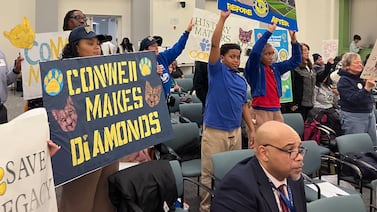
The district’s plan would close 18 schools beginning in 2027, colocate (combine two schools in one building) and relocate others, and invest in more than 100 school buildings. Superintendent Tony Watlington announced at the meeting Thursday that the district removed Conwell Middle School and Motivation High School from the initial proposed closure list it released last month after taking community feedback into consideration. He said the district would not cut staff positions as a result of the closures.
Board members said during the meeting that they understand the motivation behind the proposal but need more information and more time before they decide whether they support it. A vote hasn’t been scheduled. The board will hold a town hall March 12 to hear more feedback
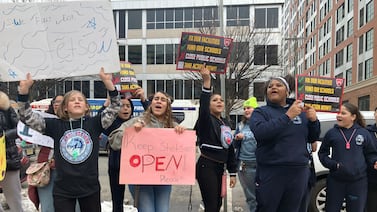
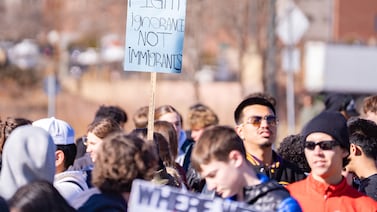
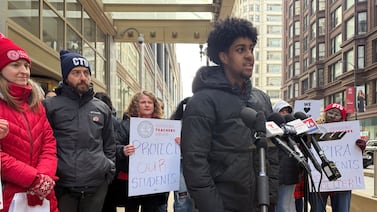
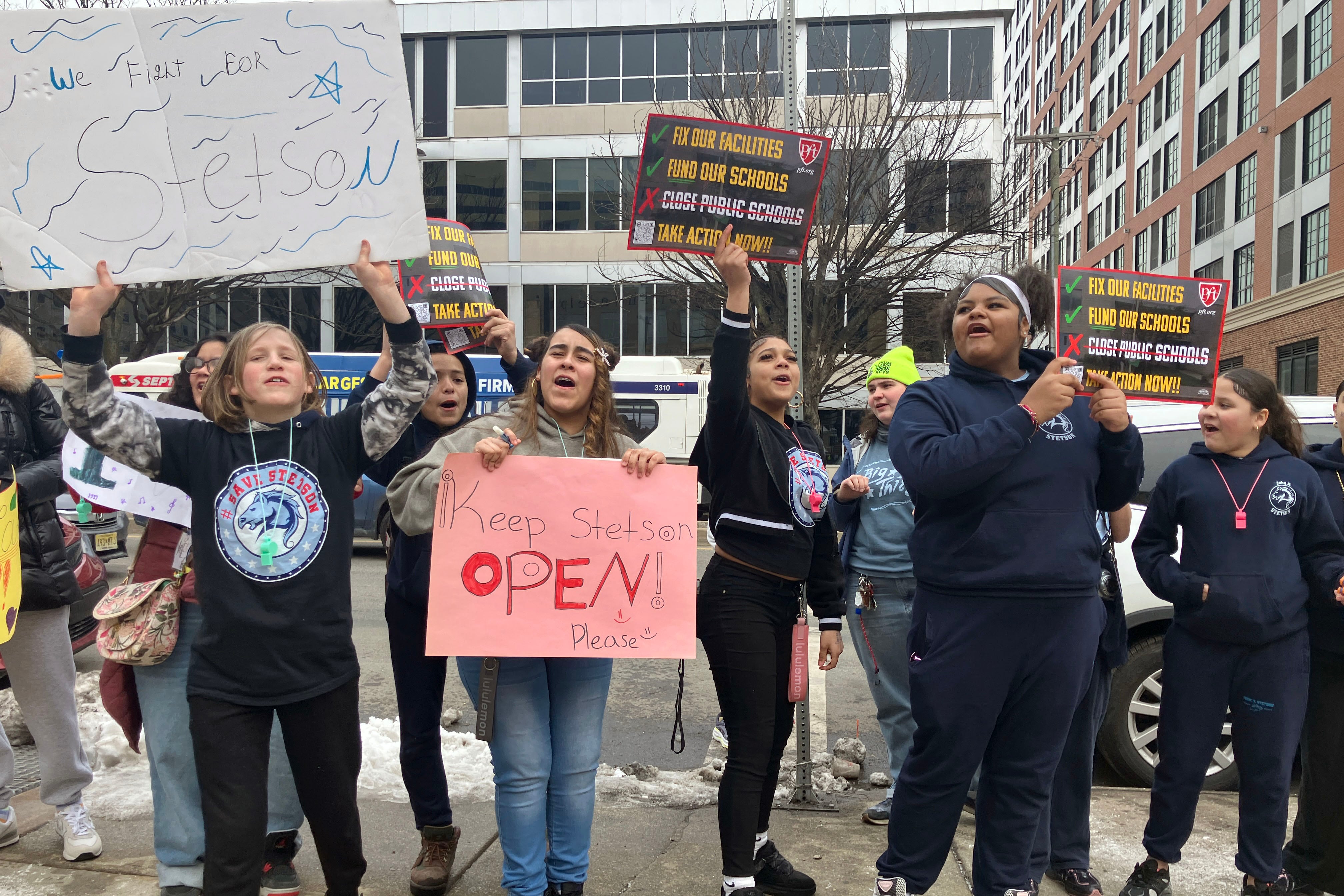
Students, educators, and families packed the meeting, with hundreds more in an overflow room, urging the board to reject the proposal. Several union officials, state representatives, and City Council members joined them in a protest before the meeting, calling for more transparency about the data officials used to decide which schools to close and more investment in school building maintenance.
Several self-described “shy kids” testified that their schools helped them come out of their shells and improved their mental health. They asked for greater investments in their buildings and urged officials to consider students as “more than lines on a spreadsheet.”
Students from AMY Northwest and Lankenau Environmental Science High School said the district should fix the selective admission application system that they said keeps small schools’ enrollment artificially low. Parkway Northwest and Laura Waring students said by closing their school the district was closing their home.
Watlington emphasized that the plan comes after dozens of community engagement meetings and reflects feedback from Philadelphians.
Kathryn Lajara, special education compliance monitor at Stetson Middle School, said she felt like the meetings so far had been “just checking a box.”
“They keep claiming that this is what people want, but it’s actually not,” Lajara said. “They hold these community meetings, but then there’s really no comprehensive feedback from it.”
Board members ask for more clarity about closure plan
Board President Reginald Streater asked for open hearts and minds from the public about the plan. He said that chronic underfunding and declining enrollment put the district in a difficult position.
Streater said he was infuriated that the board is being asked to consider closing schools but that it is willing to make tough decisions.
Watlington told board members that the plan would benefit all students by increasing access to desirable classes and academic programs and ensuring students attend class in high quality buildings.
Several board members called for more clarity about how the district would address transportation and safety concerns and provide support for displaced students. Some said that they worry the plan doesn’t directly support student learning and that the promised new opportunities would not be equally accessible.
“If we are asking communities to sacrifice neighborhood schools, the benefit must be worth the sacrifice,” said board member Wanda Novalés.
Several board members said they worried about how the district would scrape together enough money to afford the plan’s $2.8 billion price tag. District leaders have already said they would need additional philanthropic and public funding. And they wanted to know how school leaders will prevent this situation in the future.
Watlington said he doesn’t believe in closing schools and that he wouldn’t want his own child’s school to close. He said he is committed to growing district enrollment to avoid future closures. However, he said if enrollment continues to decline — a trend largely the result of falling birth rates — “we’ll be back in this boat again at some point.”
Leaders of 5 school-based unions oppose school closure plan
Leaders of five school-based unions joined the protest before the meeting, including the heads of the teachers union, principals union, and school police officers union.
Philadelphia Federation of Teachers President Arthur Steinberg called the plan to close schools an abomination. He said he feared students and staff would leave the district if the board approves it.
Robin Cooper, president of the Commonwealth Association of School Administrators, which represents school principals and other staff, called for more transparency from the district about the decision-making process.
Bernadette Ambrose-Smith, president of the School Police Association of Philadelphia, said she was particularly concerned about student safety. As far as she knew, Ambrose-Smith said that the district had not done a safety analysis of the closure plan.
Rebecca Redelmeier is a reporter at Chalkbeat Philadelphia. She writes about public schools, early childhood education, and issues that affect students, families, and educators across Philadelphia. Contact Rebecca at rredelmeier@chalkbeat.org.
Carly Sitrin is the bureau chief for Chalkbeat Philadelphia. Contact Carly at csitrin@chalkbeat.org.