Sign up for Chalkbeat Philadelphia’s free newsletter to keep up with news on the city’s public school system.
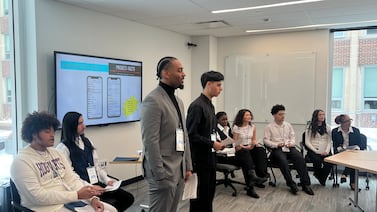
Nine Kensington Health Science Academy seniors are waging war on misinformation and disinformation in their Philadelphia high school hallways — and they say it’s working.
They know the social media algorithms they spend hours scrolling are feeding them AI slop, medical lies, and political rhetoric customized to confuse and anger their classmates and family members.
They’ve seen loved ones fall for fake videos, and have unintentionally shared some themselves.
Now, these students are on a mission to give their classmates tools to spot internet lies.
“People are trying to control what you think and see,” senior Apollo Sunun told Chalkbeat.
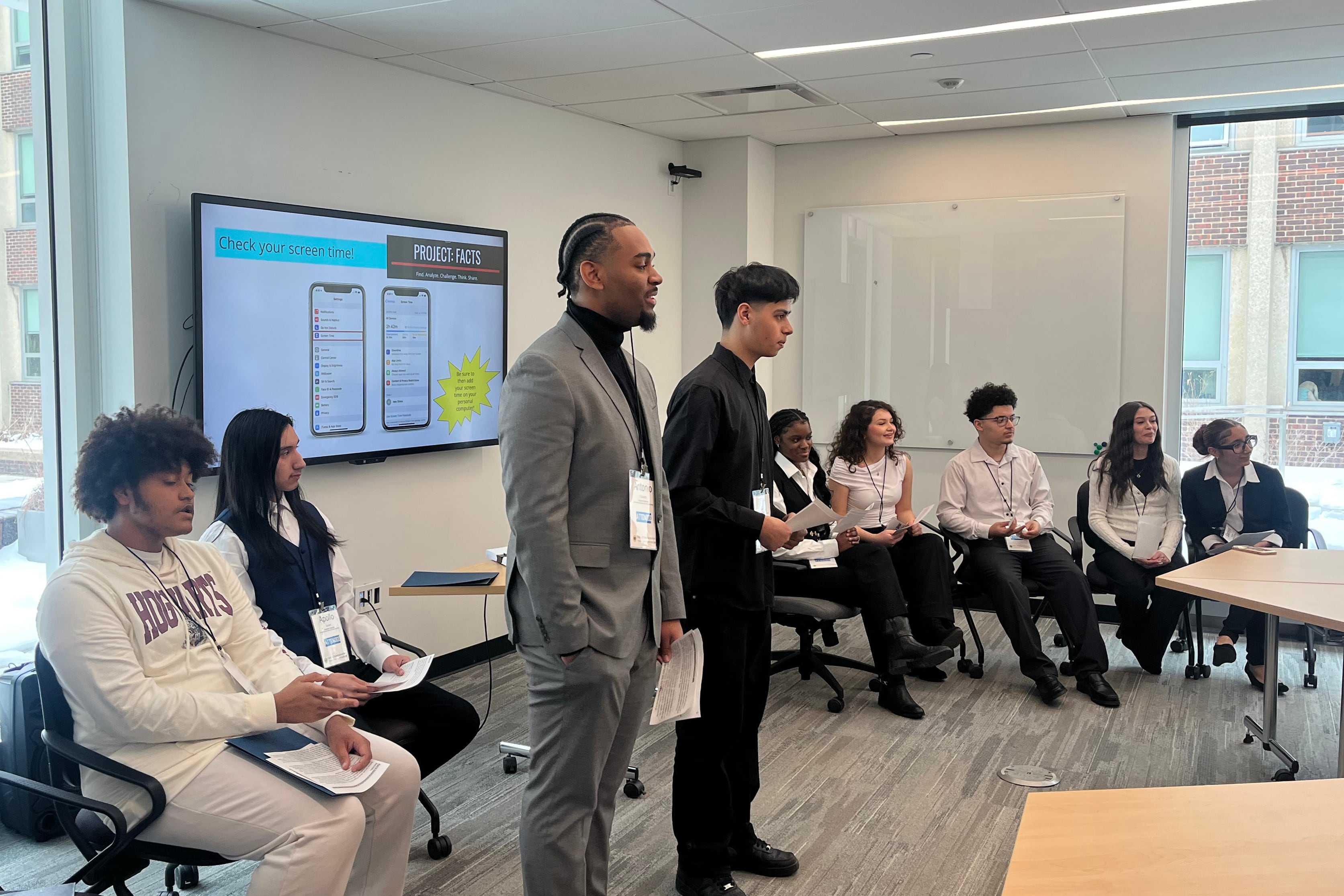
In the wake of the 2024 presidential election, KHSA Principal Nimet Eren told Chalkbeat she launched Project FACTS. It stands for “find out where a post is from, analyze it, challenge it, think for yourself before you share.” Eren said FACTS is a nonpartisan effort to teach students how to think for themselves and question the information they’re being presented with.
Media literacy classes have gained momentum in recent years as educators channel their desire to help young people decipher fact from fiction online.
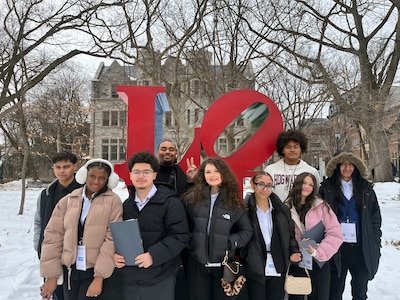
Sunun and eight other seniors quickly joined in the effort: Rafael Rosario, Antonio Edwards, Ian Santiago, Jalyssa Moll, Saniya Salcedo, Carlos Perez, Arianna Cartagena, and Solange Jean.
Eren and those students built FACTS into a curriculum and incorporated it into lesson units for classes to conduct during homeroom and advisory periods. The message became more powerful when students led the charge, Eren said.
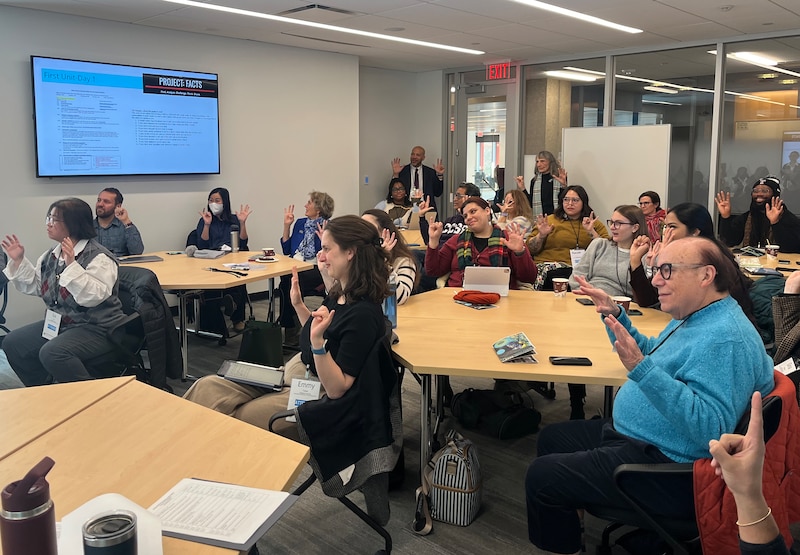
The nine seniors started a FACTS club, meeting weekly during lunch to read articles, social media posts, and other sources of information to interrogate what they’re encountering online and develop informed opinions.
“It’s definitely encouraged me to be more careful with the things I see,” Cartagena said.
Then, they presented their findings to their peers. The students designed fake texts and emails and held assemblies for the wider student population. They talked to their friends about limiting screen time and had discussions about how social media pulls them away from reality.
Eren said before FACTS, the school didn’t have a curriculum to address social media, algorithms, and “everything that was happening online.” Now, she often overhears students in between classes asking each other to “check their facts.”
“I definitely hear kids use the FACTS acronym around the school, and it lets me know people really understand,” Salcedo said.
The key to reaching teenagers? Acknowledging the positives about social media in addition to the drawbacks, the students said.
“We didn’t want to focus too much on the negative, because that would have caused especially people our age, to tune out of what we were talking about,” Cartagena said. “We weren’t trying to persuade them into just thinking that social media was negative, but to make them think about how using social media may impact their lives.”
The students also try to tailor their work to their school. In April 2025, the students delved into medical disinformation around ongoing measles outbreaks across the country. KHSA is a neighborhood high school with a special focus on health sciences so it was a natural fit, Eren said. Students conducted their own research and hosted a panel of doctors, nurses, and reporters who helped them navigate truth from fiction about vaccination fears.
Ahead of the midterm elections, they’re ramping up their efforts again. Several of the FACTS seniors will be old enough to vote in November and they said they’re worried about their classmates — and older loved ones — making political decisions based on bad information.
“If somebody spreads something totally false about one of the candidates that’s running, and somebody believes it, now their mind is swayed to vote for somebody else,” Moll said.
Cartagena said it’s not just about educating teenagers. The adults in their lives need help navigating online spaces — sometimes even more than students do. Salcedo said she’s aware of the scams that target older people and she’s seen her loved ones fall for them.
“It’s kind of scary because [they] can vote,” Salcedo said.
Cartagena said she hopes their FACTS curriculum will inspire students — and parents — to think more deeply about what they’re encountering online. Eren said she wants FACTS to be a national model.
“I think parents, they understand and they know the dangers of social media, but a lot of the time they’re not actively seeking to stop it,” Cartagena said. “I just think hearing and seeing it coming from us, it may encourage parents to be more on top of their kids and their social media.”
Carly Sitrin is the bureau chief for Chalkbeat Philadelphia. Contact Carly at csitrin@chalkbeat.org.