Sign up for Chalkbeat Chicago’s free daily newsletter to keep up with the latest education news.
Chicago Public Schools removed its proposal for five furlough days next school year, the district announced Tuesday ahead of the Chicago Board of Education’s Thursday budget vote.
The furloughs would have started in January and applied to all staff districtwide on days when students are already scheduled to be off. The district revised its revenue assumptions to avoid having the unpaid days off.
CPS said the change is in response to feedback from the community but also comes after pushback from some board members, as well as the unions representing teachers and support staff. The latter, SEIU Local 73, demanded Monday that CPS revise its revenue projections for special city taxing dollars, known as TIF surplus, to prevent furloughs. CPS said it will do just that: The district will increase its TIF surplus dollars projection by $85 million — to $285 million.
In a statement Tuesday, Dian Palmer, president of SEIU Local 73, said the union applauds the decision.
The actual TIF amount won’t be clear until the City Council adopts its budget, which typically happens toward the end of the year. CPS’s new TIF surplus assumption is less than half of the record amount it received last year after months of conflict with the mayor’s office. In an interview last week, King said she has been discussing her budget plans with city leaders but hasn’t received concrete TIF figures.
The district’s nearly $10 billion budget proposal would cut hundreds of other staffers, increase special education staffing, and freeze some spending after January.
While the board can legally wait until late August to pass a budget, King is pushing them to vote Thursday so that CPS has enough time to issue short-term borrowing and make September payroll. Eleven board members, or a majority of the 21-member board, must vote yes for the budget to pass.
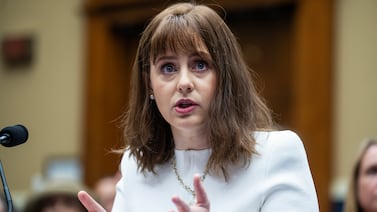
“It became clear that to alleviate any potential stressors or possible disruption to the start of the school year, we needed to update the proposed budget,” King said in a statement.
Last week, a dozen teachers and the Chicago Teachers Union blasted furloughs and layoffs during a budget hearing.
CTU has for months pressed state lawmakers for more funding but said in an online post last week that the district was “undercounting” how much TIF money the mayor would make available. The mayor has the power to declare a surplus on any money in TIF accounts that is not earmarked for a specific project. By doing so, all taxing bodies get a portion of the funds and by law, CPS is entitled to roughly half of any surplus.
Separately, the Illinois Federation of Teachers is suing Cook County Treasurer Maria Pappas on behalf of the CTU and suburban union members to release tax revenue that hasn’t made it to the district.
In a statement, CTU and IFT president Stacy Davis Gates said that the revised proposal still doesn’t include enough staff and urged the board to keep revising or delay a vote “until the budget addresses our students’ needs,” she said.
“What is on the table is still a very rough draft that would cause permanent harm to Chicago’s students,” Davis Gates said.
Reema Amin is a reporter covering Chicago Public Schools. Contact Reema at ramin@chalkbeat.org.