Recent Indiana high school grads: Tell us what’s next for you

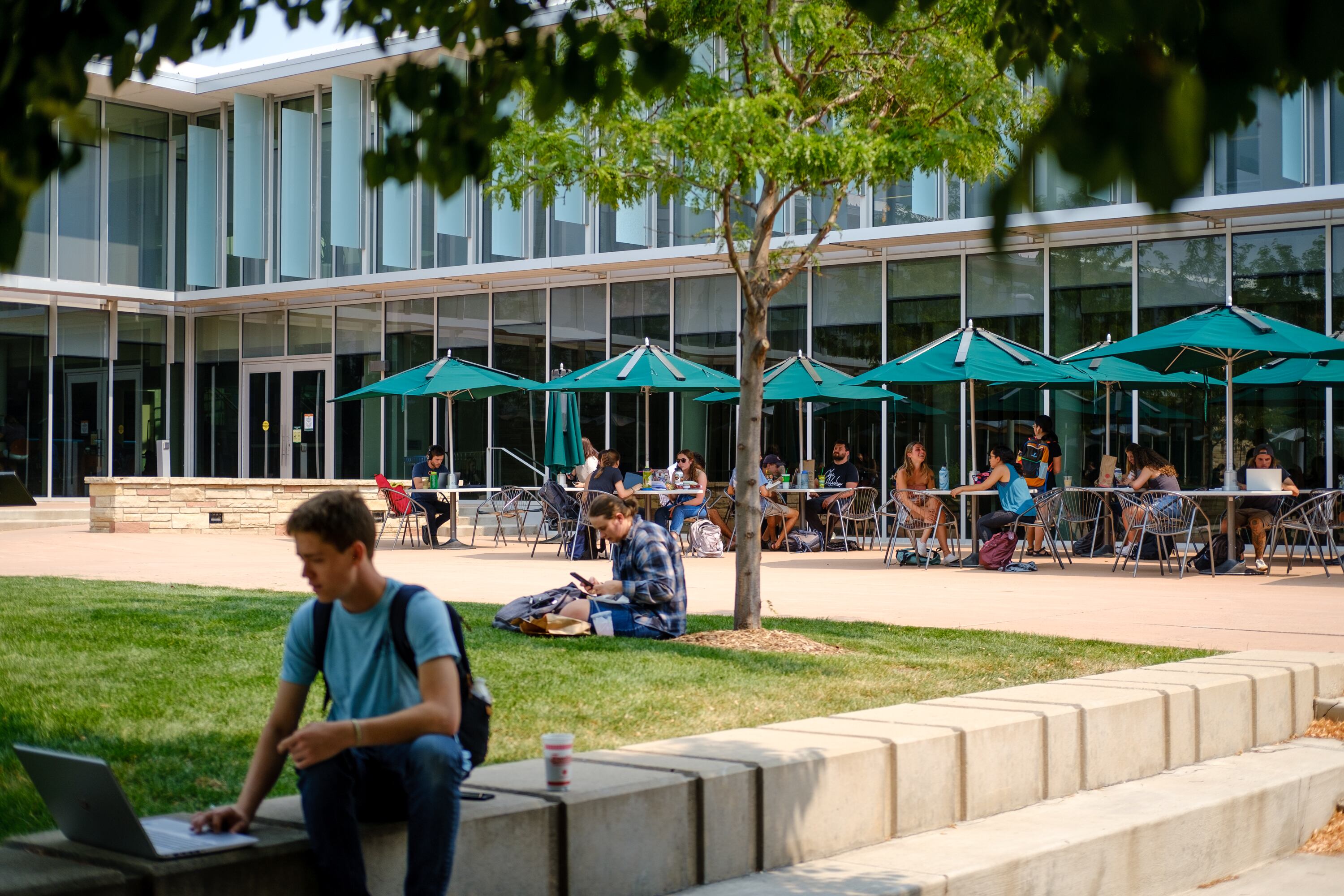
A boy wearing a blue shirt sits working at a laptop under the shade of a tree. Others behind his sit at tables in the shade.
As the number of high school graduates seeking higher education in Indiana dips, Chalkbeat wants to hear from you. We want to know how you decided your post-graduate plans. (Eli Imadali for Chalkbeat)

In recent years, Indiana has seen a significant decrease in the number of high school students going to college. The Indiana high school class of 2020 saw a college-going rate of only 53%, which is 6 percentage points less than the previous year. 

This trend impacts students of color and low-income households the most. Boys in high school also saw a sharp decrease in the college-going rate with just 46% compared to the college-going rate for girls remaining at 61%. We understand that behind these trends are deeply personal decisions being made by students and their families. If you are a recent high school graduate, we want to hear from you here at Chalkbeat.

You can respond to this form until Monday July 25, at the end of the day. You can also reach the reporter, Helen Rummel, directly at hrummel@chalkbeat.org or at (317) 737-9316. We’re always listening at community@chalkbeat.org.

If you are having trouble viewing this form on mobile, go here.
The Latest

State Sen. John Liu suggested the city could phase in smaller class sizes over four years instead of two. Any changes to the 2022 mandate are likely to spark debate in Albany.

The announcement at a Tuesday meeting comes as substantial changes for IPS are on the horizon that will dilute the elected school board’s power.

Supporters framed the bill as a money-saver for families. “I’m raising two daughters right now, and I think every $5 you can keep in your pocket is important,” one state lawmaker said.

College advisers said students with undocumented family members are fearful of filling out the Federal Application for Federal Student Aid. The state also has lost a FAFSA data tool that made tracking student progress on the form easier.

Democrats hold the majority on the board, and they argued that the board should stay focused on key education issues such as literacy.

Sherrill’s first budget proposes more than $13.8 billion to education with record funding for K-12 and preschool aid, expanded high-impact tutoring, and new mental health services timed to the state’s first year of phone-free schools.