
After high school
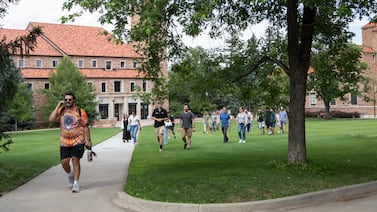
The July analysis of Colorado’s five-year-old law doesn’t provide evidence about how the policy has helped students as some universities nationwide have pushed back against it.

A new paper traces how family income, test scores, and educational spending rise together — leaving the least advantaged students in the least-resourced colleges.
Data compiled by the Associated Press shows more Americans are struggling to pay their student loan debt. In Colorado, defaults have also spiked.
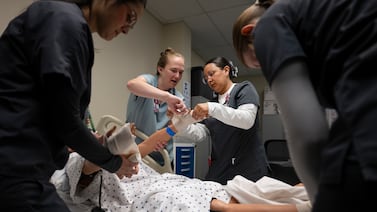
Workforce Pell will open up federal money for short-term, high-demand careers. But data shows not all programs offer the same salary outcomes to students across the state.

Researchers are starting to study why rural men attend college at lower rates than women. At Colorado Mesa University, the challenge of getting rural men to join the rodeo team mirrors what’s happening nationwide.
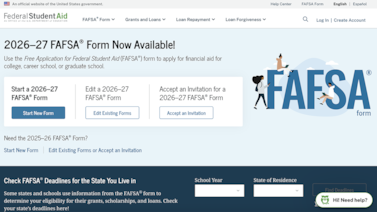
Counselors across the state said the loss of the Free Application for Federal Student Aid tracker would potentially quadruple the amount of work needed to help students.

Colorado has revamped its Basic Needs Campus designation and has several others that are meant to hold schools accountable and signal to students that the school is dedicated to providing help.

Research shows students aren’t paying that much more for higher education than in the past. But the actual price of attendance can be confusing.
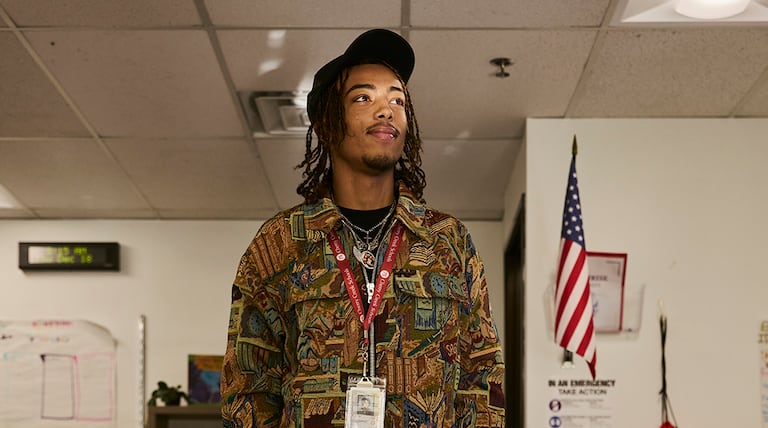
CareerWise Colorado has employed far fewer students in youth apprenticeships than leaders once envisioned. The program’s challenges offer valuable lessons as bipartisan enthusiasm for on-the-job-training grows nationwide.
Data shows 623,000 that Colorado residents didn’t finish college. But the state has made some progress helping former students return and current students stay enrolled.
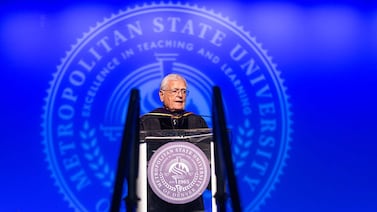
The donation will partner Metropolitan State University of Denver with the newly renamed Romer Institute of Evidence-based Policy. The goal is for the donation to help students connect to research opportunities and leadership lessons.

College sophomore Cecilia Lopez Alvarado says unlimited retakes helped her get good grades in high school, but they did not always show what she knew.

Colorado lawmakers decided to end the Teacher Recruitment Education and Preparation program to save money. They now plan to allow one last group of high school students to use it.
Some higher education leaders say the state’s current higher education funding formula has prioritized funding stability over how well schools serve students. They hope the newest iteration will change that.

Colorado’s Fund My Future program has helped increase federal student aid completions at 11 high schools.

Lawmakers on the state’s budget committee have proposed eliminating the Teacher Recruitment Education and Preparation program. The program pays for about 250 students a year to stay enrolled in high school while going to college for teaching.
Confidence in higher education has dropped, and politicians keep attacking colleges. But the economic pull of a degree remains strong, even as AI uncertainty looms.
College advisers said students with undocumented family members are fearful of filling out the Federal Application for Federal Student Aid. The state also has lost a FAFSA data tool that made tracking student progress on the form easier.

State Superintendent Glenn Maleyko praised the improvement in the high school graduation rate, but said there is more work to do.

Diplomas are key to financial success, but parts of Kensington have historically experienced barriers to graduation. Efforts are underway to support the next generation of students.