
Teaching & Classroom
A long-running integration program produced modest test-score gains — and remarkably large increases in college graduation.

Ames, who is also a longtime basketball coach, was one of eight finalists for the award.
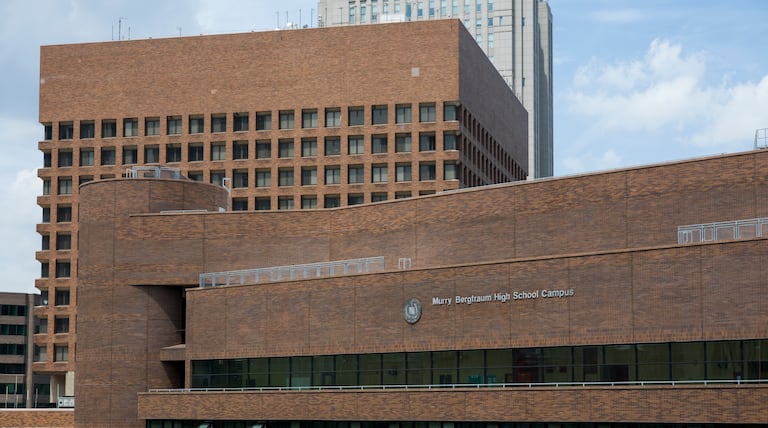
The city’s inaction on closing Murry Bergtraum High School — which once enrolled 3,000 students — is shortchanging the 90 students still there. It comes at a cost of $46,000 per pupil, a Chalkbeat investigation reveals.

Grade floors and other equitable grading practices became more common during the pandemic. South Carolina lawmakers worried they were undermining the value of a high school diploma.
School funding has risen substantially, but teacher salaries have not. One reason: Districts have instead used more resources to hire additional staff.

At 17, Bed-Stuy native Aaliyah Duah realized the key to closing the wealth gap was closing the information gap. Now 23, the David Prize winner is bringing relatable financial education to students across NYC.
The Colorado Department of Education and district officials surprised finalists in their classrooms as part of the annual Colorado Teacher of the Year program.
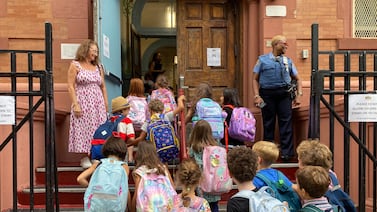
As NYC students head back to school with a new AI moratorium and suggested screen time limits, relieved parents are using the rules to set boundaries at home.
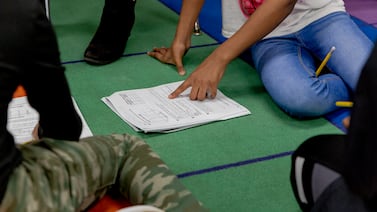
The pandemic-era strategy had unusually broad support, and schools had unprecedented federal aid available. But staffing problems, missed sessions, and diluted programs limited its effect.
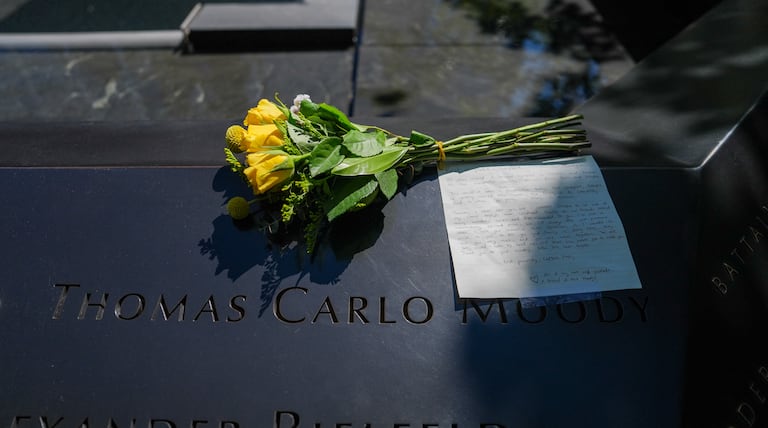
A quarter of a century after Sept. 11, NYC teachers often face a unique challenge: conveying the gravity of a day many students never experienced firsthand. Three teachers share how they handle the anniversary as a new school year starts.

Results on the Michigan Student Test of Educational Performance were released Friday.
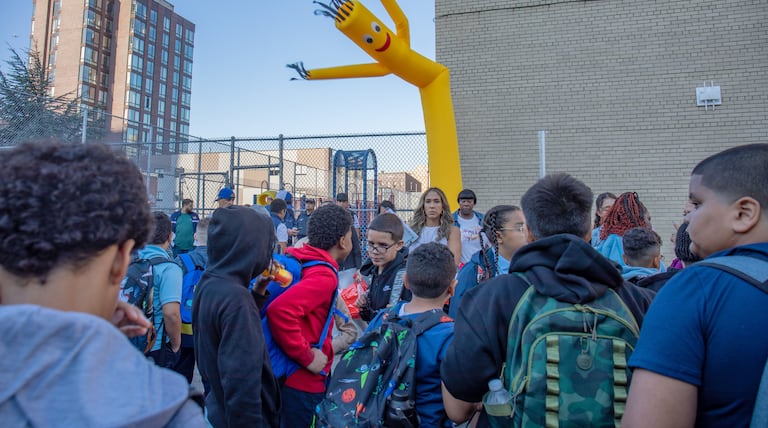
Beyond the city’s high-profile AI policy, here’s what’s changing at NYC public schools this year, from mandated curriculums and school avoidance liaisons to the future of the Regents exams.

A new report from the American Psychological Association does not endorse outright screen bans, but says school systems and vendors should hold themselves to a higher standard.
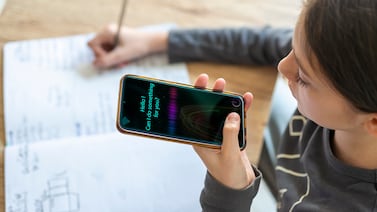
State guidelines push AI tools for teachers and students, but offer few concrete ways to catch or deter academic dishonesty.
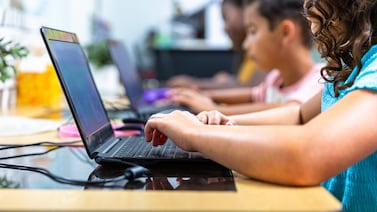
NYC public schools are expected to ban student-facing artificial intelligence for grades 2-K through 8 under new guidelines to be announced Wednesday. The rules also limit classroom screen time.
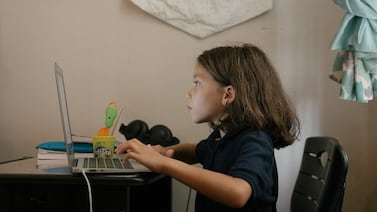
Researchers found that simply giving students access to a capable AI tutor did little to ensure they used it for learning. More structured use of the technology showed greater promise.
The poll, conducted in May and June, is a window into the state of Michigan’s educator workforce.

Experts worry NYC’s new class size bonuses could disproportionately benefit teachers at more affluent schools, where classes tend to be larger.

After streamlining its annual survey to get clearer, more direct answers, NYC got feedback from more than 357,000 students. Here are key takeaways from the newest questions.

At Voyages Prep in Elmhurst, students found purpose and accountability through a hands-on project to renovate a playground. Their effort won $50,000 and changed how they viewed their own potential.