
Indianapolis Public Education Corporation

IPS will make millions in cuts even if voters approve the ballot item. That’s led to criticism from some in the education community.
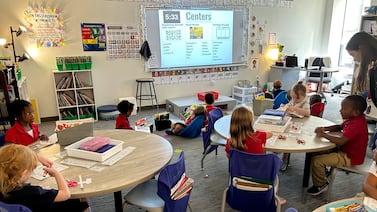
Dozens of charters could benefit from voter-approved property tax increases this November. But many of them have not shared mandated plans for how they’ll spend the money.

A record number of school districts are seeking property tax increases this November. Search for details on your school district’s ballot question using our tool.

The Indianapolis Public Education Corporation also hired Andrew Strope, whose salary is not yet final. Rausch comes from a charter background, while Strope used to be IPS deputy superintendent.
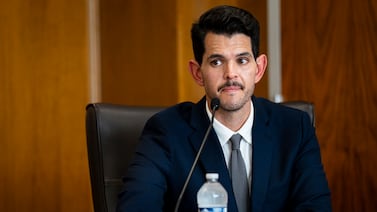
Rangel will serve in an executive role overseeing several key programs, like tutoring initiatives.
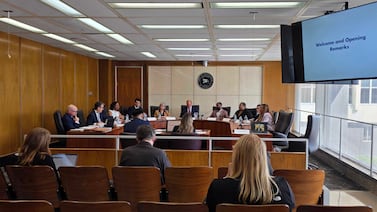
IPEC unanimously approved Karega Rausch on Wednesday.
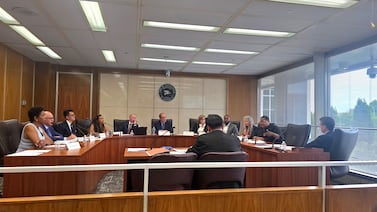
IPS district leaders, charter policy architects, and current and former elected representatives are in the running.

Two of the five races for IPS school board have four candidates each. In District 3, candidates include the IPS board president and an influential charter school advocate.
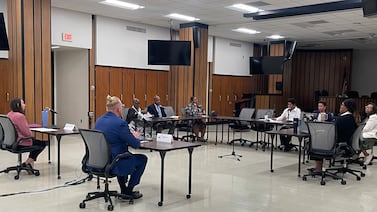
The IPS school board seat is open after Allissa Impink resigned earlier this month. District 4 represents the southwest part of the school district.
IPEC chose a middle ground approach, weighing living costs against the needs of schools.

The IPS school board has a vacant seat after Allissa Impink resigned. The new board member will serve until a District 4 commissioner is elected and takes office in January.
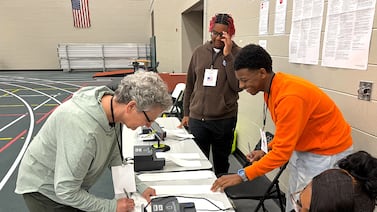
Join us for a panel discussion on July 8 where we’ll dive into the changes for schools in the November election and what they could mean for schools and students.

The Indianapolis Public Education Corporation, a new organization, is considering putting a tax increase on the ballot in November to fund Indianapolis schools. Here’s the breakdown of options and how the public can weigh in.
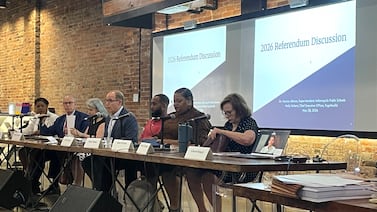
The Indianapolis Public Education Corporation must decide whether or not to put a tax increase to voters in November.

The additional cuts include a reduction in vendor contracts and extracurricular transportation, as well as the elimination of about 28 central office positions.
IPS submitted its registration to become a charter school authorizer in April. The move could give the district more control over charters.

Most of the Indianapolis Public Education Corporation board’s members have connections to the charter school or education reform sector.
The Indianapolis Public Education Corporation has nine members appointed by Mayor Joe Hogsett, and its chairman worked for former mayor Bart Peterson.

The Indianapolis Public Education Corporation will take over key aspects of schools in the city. It meets for the first time in mid-April.
The new corporation will reshape Indianapolis education and take over key powers from school boards, including the elected Indianapolis Public Schools board.