10 years after Sandy: How did the storm affect you and your school?

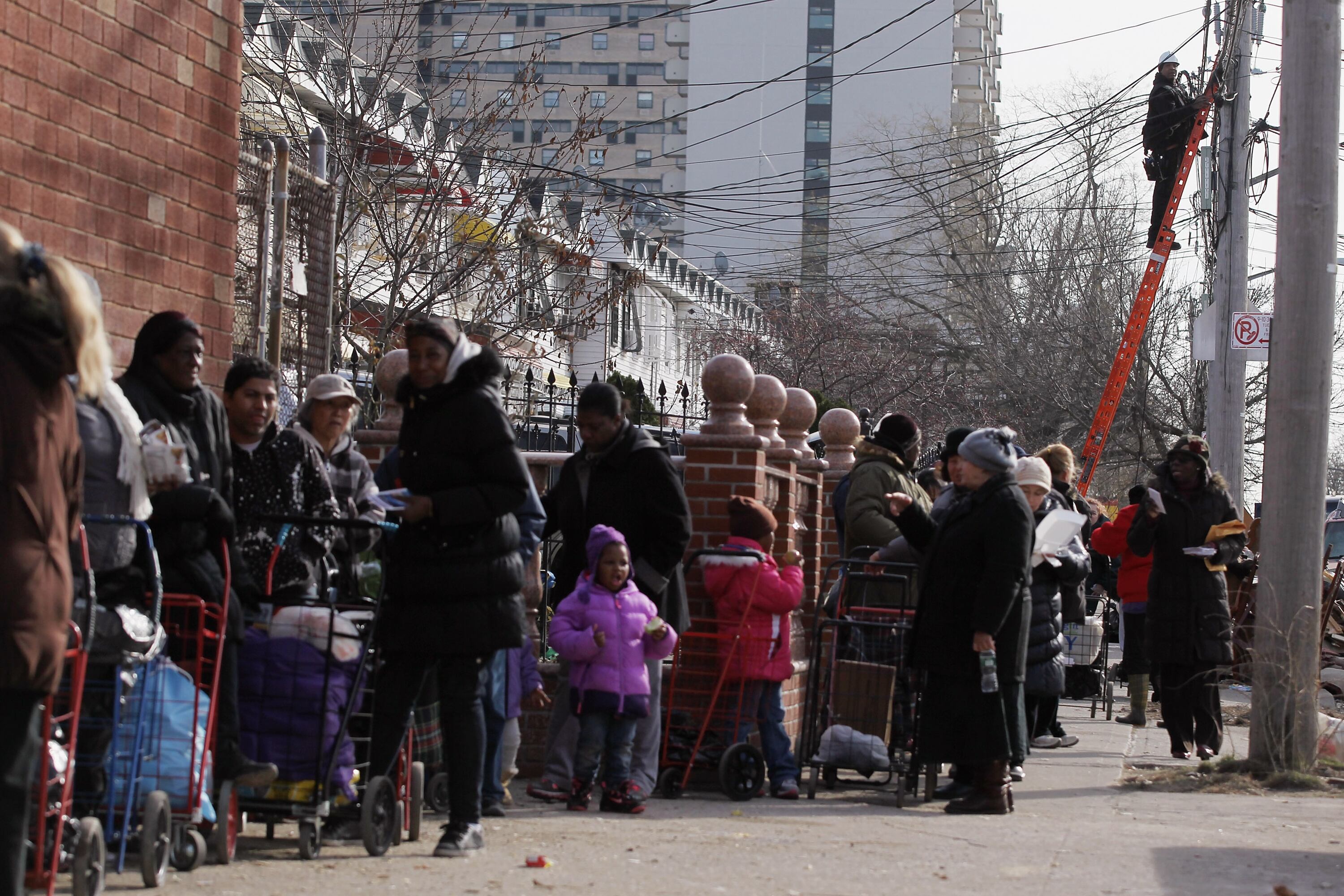
People wait on line in winter coats to obtain food and other items from a distribution point in the Coney Island neighborhood on Nov. 20, 2012.
Brooklyn residents wait on line to obtain food and other items from a distribution point in Coney Island on Nov. 20, 2012, as a utility worker repairs wires in the area hard hit by Sandy. (Mario Tama / Getty Images)

A decade ago, Hurricane Sandy wreaked havoc on New York City’s coastline, killing 43 New Yorkers and indelibly changing parts of the five boroughs.

The storm made landfall on Oct. 29, 2012, destroying homes, knocking out power, and flooding the subway system in the days that followed. The school system was impacted, with classes canceled for all students for a week. Dozens of damaged schools remained shuttered even longer, forcing their students to share buildings with other schools. At least one teacher lost her life. 

As this anniversary approaches, we want to hear from our readers about the lasting impact of this tragedy on their school communities.

If you are having trouble viewing this form, go here.

The Latest

MSCS leaders recommended combining Lucy Elementary School with Woodstock Middle to fill more seats. But parents worry about safety issues caused by big student age gaps.

The ILEA will select its final recommendations for changing how local public schools are run to state lawmakers in a Dec. 17 vote.

The Board of Education will vote later this month on whether to sell the former Bontemps, Henson, and Shedd elementary schools.

Board members said the company recommended by MSCS leaders has a history of poor service. It’s not the first time custodian contracts have caused issues.

Zohran Mamdani received the highest number of donations from DOE employees in 23 years, despite his thin education agenda.

State Superintendent Tony Sanders says the state board will provide more time for feedback on changes to the accountability system that labels schools based on student metrics. The new timeline includes more public feedback opportunities and delays a final vote by the state board to April.