Sign up for Chalkbeat New York’s free daily newsletter to keep up with NYC’s public schools.
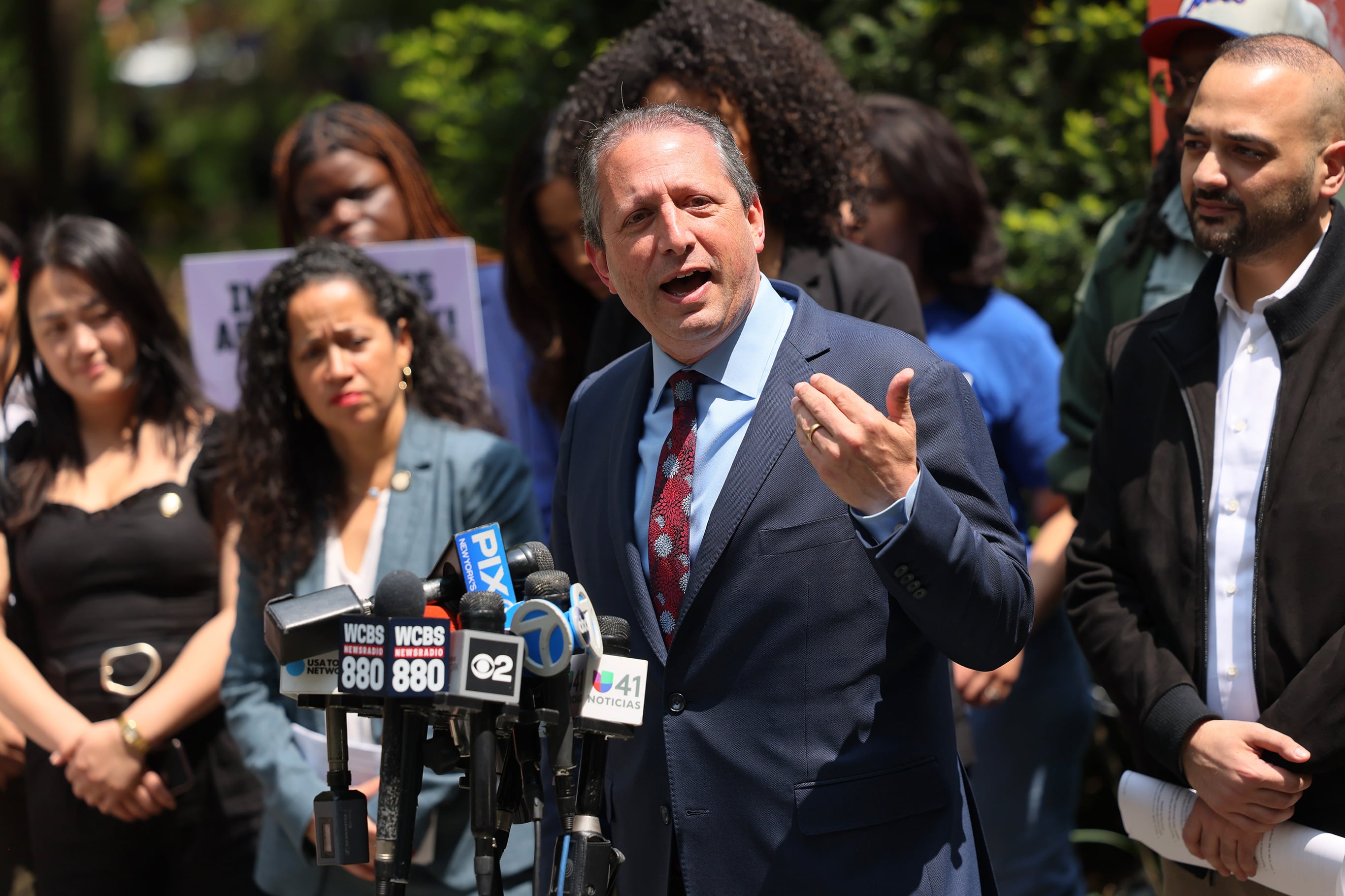
Just months after New York City changed its school funding formula to funnel more aid to homeless students, Comptroller Brad Lander warned roughly 21,000 students are at risk of being left out.
The city’s school funding formula also sends additional money to schools that serve a disproportionate share of students with disabilities and English language learners. But while schools will see their budgets adjusted based on how many students from those groups they are serving as of this December, data on the city’s homeless students will not be updated the same way.
In a letter last week, the city’s chief financial officer urged schools Chancellor David Banks to reverse a decision that would calculate funding allocations based on homeless student populations as of Dec. 31, 2022.
With a persistent influx of asylum-seeking families entering the city’s shelter system over the past year, using those figures would mean schools serving higher shares of homeless students could miss out on nearly $11 million in additional funding, Lander said.
Since last December, roughly 21,000 students in temporary housing have enrolled in New York City schools, with many enrolling in schools near shelters that will need additional resources, Lander said. He added the city already uses midyear enrollment data to adjust funding based on other student populations.
“So what is the educational policy reason for DOE uniquely denying funding to schools with new students in temporary housing?” Lander said. “Without other explanation, it appears that you are purposely creating resource scarcity in schools with new arrivals.”
The city’s Education Department did not immediately respond to a request for comment. A guide explaining the school funding formula notes that although funds for students in temporary housing aren’t part of the midyear adjustment of school budgets, the city’s Education Department “remains committed to supporting schools experiencing financial hardship due to the increase in new [students in temporary housing] admits.”
Concerns over school funding come amid the city’s broader financial woes, as the Education Department is set to cut nearly $550 million from its budget, and the expiration of federal pandemic aid looms over the next year. More than 650 schools also saw midyear budget cuts after enrollment numbers fell short of projections, though a majority of schools received extra funds after citywide enrollment ticked up for the first time in eight years.
The additional funds for students in temporary housing followed a task force recommendation to revise the city’s Fair Student Funding formula, which accounts for about two-thirds of school budgets. Under the formula, schools typically receive a baseline amount per student, with extra dollars added on top for students with additional needs.
Though the city’s population of homeless students has remained high for more than a decade, it surged to nearly 120,000 with an influx of asylum-seeking families last year. That was a 14% increase from the year before and a record high for the city, according to Advocates for Children, a group that supports the city’s most vulnerable students.
Roughly 1 in 9 students were living in shelters, “doubled up” with relatives or friends, or otherwise without permanent housing at some point in the school year, the data showed.
Using more recent enrollment numbers would help account for asylum-seeking students who arrive in the city and then transfer between schools, Lander said in the letter.
Advocates fear that school transfers could become even more common under a city rule implemented by Mayor Eric Adams last month. The rule requires families in some shelters to exit the system every 60 days, meaning they will need to find alternative housing or re-apply for shelter.
Adams later insisted the rule would not force children to change schools.
Students living in shelters were more than four times as likely as kids with permanent housing to transfer schools, according to data from the 2021-22 school year.
Michael Elsen-Rooney contributed.
Julian Shen-Berro is a reporter covering New York City. Contact him at jshen-berro@chalkbeat.org.