Sign up for Chalkbeat Philadelphia’s free newsletter to keep up with the city’s public school system.
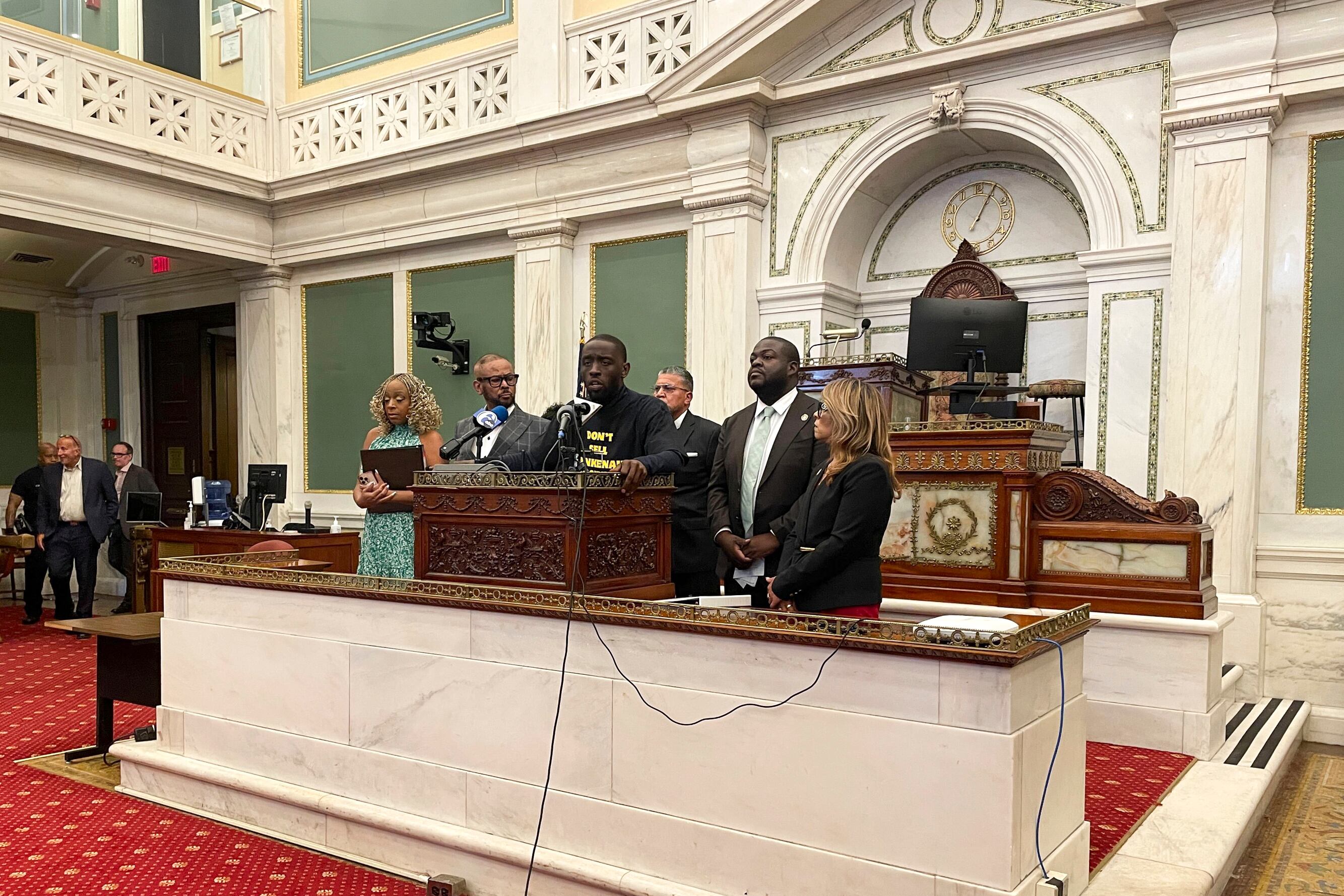
Members of Philadelphia’s City Council say their fight to stop the district’s school closure plan is far from over, and they’re prepared to use several tactics to force changes before closures begin next year.
“We’re going to use every tool in our arsenal to make sure that we protect our children,” said Isaiah Thomas, chair of the City Council’s Education Committee, at a press briefing Tuesday.
The district plans to close 17 schools beginning in the 2027-28 school year and reshuffle those students elsewhere under a sweeping facilities plan approved by the Board of Education in April. The plan would also co-locate several schools and upgrade nearly 170 school buildings.
The facilities plan is meant to ensure students go to class in quality buildings and families can access more opportunities, such as prekindergarten and AP classes. It’s also supposed to help the district adapt to its declining enrollment, which has left hundreds of empty seats in several schools.
The City Council doesn’t have a direct say over the closures, but it does control some district funding. Last school year, several members vehemently opposed the plan, and Thomas called for board members’ resignations after they voted to approve it.
With the upcoming school year slated to be the last for several schools, council members say they plan to use their power to continue pushing for changes. Some said they were looking to keep Paul Robeson High School and Lankenau Environmental Science High School in particular off the closure list.
Thomas said he is still considering potential legal action over the closure plan. Councilmember Curtis Jones said he is considering requiring an independent audit of the district’s spending on services such as school lunches.
School Board President Reginald Streater said in a statement that the board “values City Council’s partnership and remains committed to engaging stakeholders throughout the plan’s implementation.” The board will continue to review community feedback about the plan, Streater added.
The district will work closely with students, families, and staff, as well as elected officials and community members, “to ensure every transition is thoughtful, transparent, and centered on student success,” school district spokesperson Monique Braxton said in a statement.
The district shared its facilities plan after dozens of community engagement sessions and surveys of residents across the city. The initial proposal included closing 20 schools, but following protests, the district removed three from the list the board approved in April.
“It is no secret the facilities plan is unpopular,” said Councilmember Nina Ahmad, who has opposed the district’s plan to close Lankenau Environmental Science High School in particular. “If three can be taken off, then more can be taken off.”
Thomas said he plans to mobilize Philadelphians to continue their fight against the closures.
“You’ve got to care more about these 17 schools closing than you do about LeBron James coming to Philadelphia,” Thomas said, referencing the recent NBA news that the famed basketball player will join the Philadelphia 76ers. “This matters more.”
Rebecca Redelmeier is a reporter at Chalkbeat Philadelphia. She writes about public schools, early childhood education, and issues that affect students, families, and educators across Philadelphia. Contact Rebecca at rredelmeier@chalkbeat.org.