Did you know search engines like Google are changing the way you see news? Keep Chalkbeat’s valuable education coverage at the top of your feeds by clicking here and checking the box next to our name.
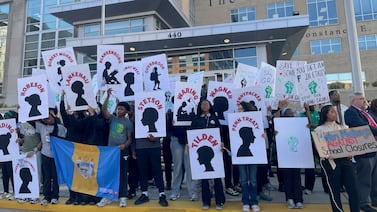
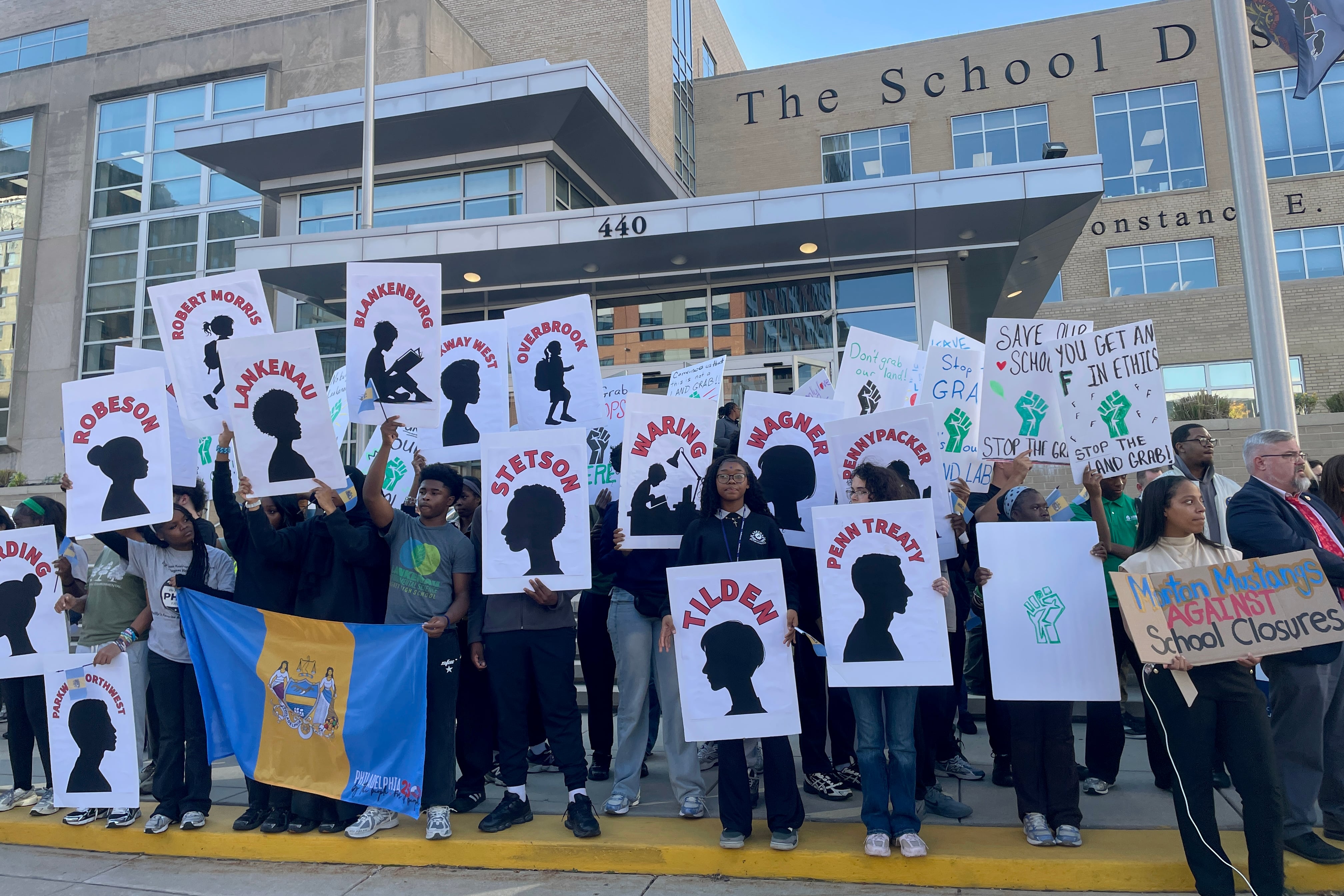
Months before Philadelphia is set to begin closing 17 schools, the teacher’s union has a proposal they say could keep buildings open.
But it will need unlikely support from district leaders to have any influence.
The Philadelphia Federation of Teachers’ proposal, which President Arthur Steinberg revealed Wednesday morning, recommends renovating schools rather than closing them. At a first-year cost of $25 million, the district could improve the building quality of the 17 schools it wants to close, according to the union’s calculation of renovation costs.
“By utilizing our plan right now, it will give families a clear indication that the facilities are going to improve,” Steinberg said. “There’s less reason for them to leave and more hope for them to stay in their neighborhood schools.”
District officials have said their facilities plan, which the Board of Education approved in April, will result in more academic opportunities and address the city’s declining enrollment. Some school buildings are half empty. Dozens need expensive repairs to fix old plumbing, asbestos, and lead paint. The district’s proposal costs $3 billion, and includes renovating nearly 170 buildings. But teachers, students, and members of City Council have spent more than a year trying to stop the plan, saying they want schools to stay open to keep communities intact.
The union’s proposal seeks to address those concerns, although it does not address any of the more than 200 other buildings the district is responsible for. But even union leaders acknowledge they’ll need more support from those who control the school system, and more funding to push their proposal forward.
Support from the district and board appears unlikely. Superintendent Tony Watlington has already begun to roll out transition teams to closing schools. And officials have not wavered in the face of councilmembers’ threats to sue, pull district funding, or hold hearings.
“We really have no other choice but to ask the mayor to intervene with and talk to the district,” Steinberg said.
Mayor Cherelle Parker has previously said she supports the school closures, but has not been vocal about the issue. She appointed the members of the Board of Education who approved the plan.
Though several members of City Council have stood with the teachers union in protesting the plan, they also do not have control over which schools close.
The timing is urgent, Steinberg said, because Philly families are now choosing their schools for next school year through the district’s school selection process, which ends Nov. 24. He said he is worried many will opt to leave the district if the closures move forward.
Money remains an obstacle for the district, which lacks the funding to pay for its closure and renovation plan. The district is banking on raising $2 billion from local, state, and federal government sources. The union’s proposal does not include a total cost beyond the first year of renovations.
State funding may come easier next year after Democrats secured a trifecta in state government in the midterm elections.
State Sen. Vince Hughes, a Democrat from Philly, said funding school infrastructure is “unfinished business” that will be a priority in the next legislative session that starts in January. He doesn’t have a plan or proposal yet, but said it could look something like the $1 billion Pennsylvania Program for Critical Infrastructure Gov. Josh Shapiro floated as part of his 2026-27 budget. The program wasn’t included in the final budget Shapiro signed.
In an interview with Chalkbeat, Hughes commended the Philly school district for having “hard conversations” about closures. He said it’s lawmakers’ responsibility to confront the problem and find the money to fix it.
“If we get fearful of what the potential (funding) number could be, then we’ll never make any investments. We’ll never make any improvements,” Hughes said. “Our job is not to be fearful. Our job is to find solutions.”
Rebecca Redelmeier is a reporter at Chalkbeat Philadelphia. She writes about public schools, early childhood education, and issues that affect students, families, and educators across Philadelphia. Contact Rebecca at rredelmeier@chalkbeat.org.
Carly Sitrin is the bureau chief for Chalkbeat Philadelphia. Contact Carly at csitrin@chalkbeat.org.