Sign up for Chalkbeat Philadelphia’s free newsletter to keep up with news on the city’s public school system.
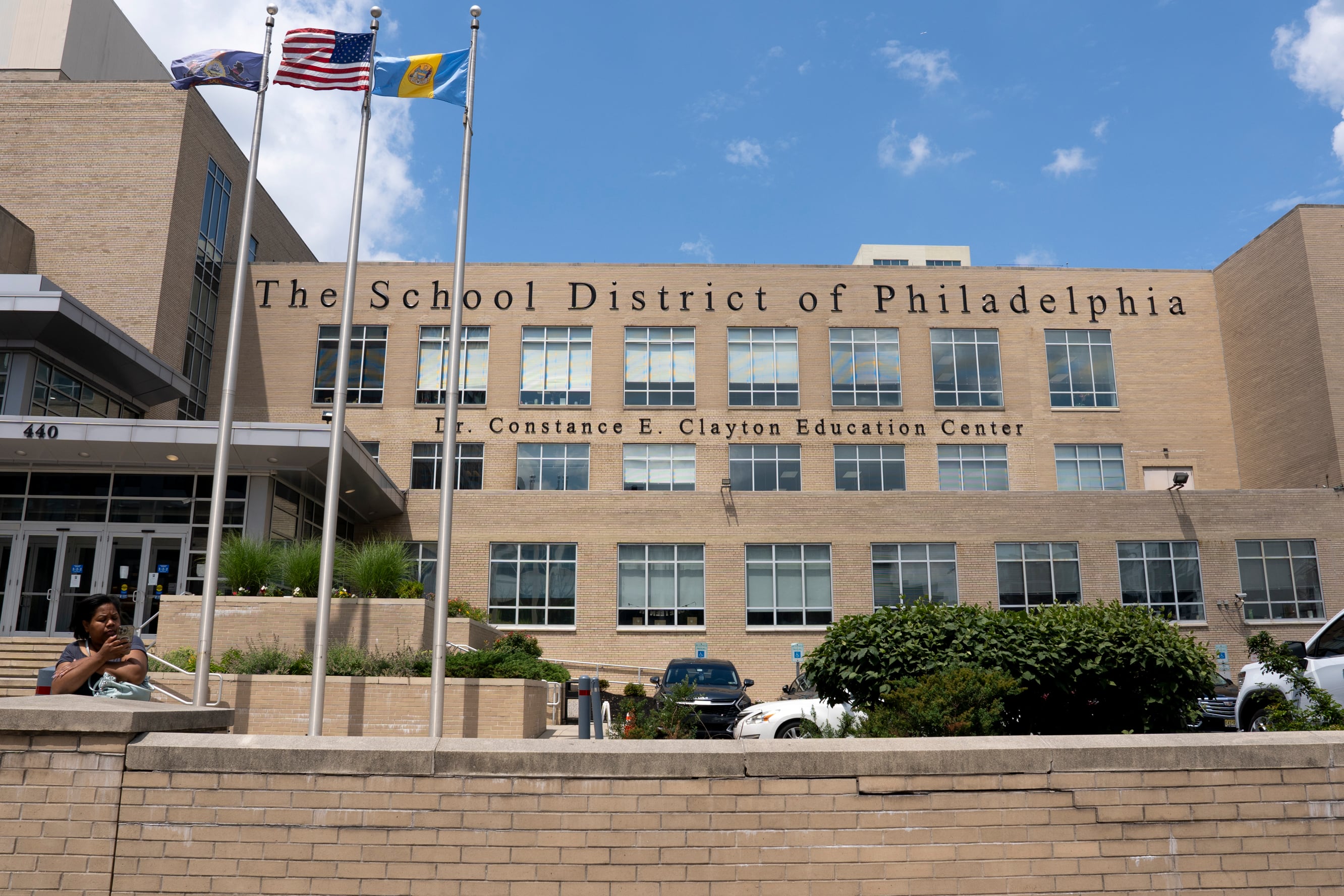
The School District of Philadelphia’s closure plan is moving ahead as written, even as elected officials demand parts of the plan be reconsidered.
District officials announced Thursday they are opening applications on Aug. 31 for new school transition committees. Those committees will be set up for the nine schools closing this academic year, schools receiving students from a closing school in 2027-28, and any school phasing out grade levels at the end of school year 2026-27. Each 20-person committee will include a mix of teachers, school staff, parents, caregivers, community partners, and students.
The district says the committees will give feedback and help shape transition plans that reflect the needs of each school community.
Superintendent Tony Watlington and district representatives have spent the last few years defending themselves against criticism aimed at their approach to community engagement about the closures. At several board meetings, neighborhood hearings, rallies, and protests, Philadelphians said they don’t feel that their input has been deeply considered. Even individuals named by the district to sit on advisory committees in the early stages of the process said they found those efforts to be perfunctory and frustrating.
Since the vote to approve the facilities plan, elected officials, led by City Councilmembers Nina Ahmad and Isaiah Thomas, who chairs the city’s education committee, have launched a war against district leadership — threatening lawsuits, calling for school board members’ resignations, and shutting down board meetings in an attempt to gain some control over the list of schools scheduled to close.
Thursday’s move to assemble transition committees signals the district has no intention of making changes to the plan anytime soon.
Watlington said in a statement that for the transition process to be successful, the district will need to meaningfully partner with school communities.
“We really want this to be something that represents ‘nothing for us without us,’” Watlington said at Thursday’s school board meeting. “We want to be equal partners in how we implement this facilities master plan.”
In June, the district appointed Shakeera Warthen-Canty to lead the newly created school transition office, which will oversee implementing the facilities plan. The plan includes closures but also promises to modernize some 169 buildings. Watlington has said it’s a 10-year, $3 billion vision to build a new high school, renovate pools, update HVAC systems, improve bathrooms, refurbish athletic facilities, add kitchens, and redesign classroom spaces.
The transition committee applications will be open through Sept. 18. Watlington said the district’s outreach to parents and school staff “won’t be limited just to these committees. There’ll be other deep engagement.”
People can submit feedback on the transition process through this form.
Carly Sitrin is the bureau chief for Chalkbeat Philadelphia. Contact Carly at csitrin@chalkbeat.org.