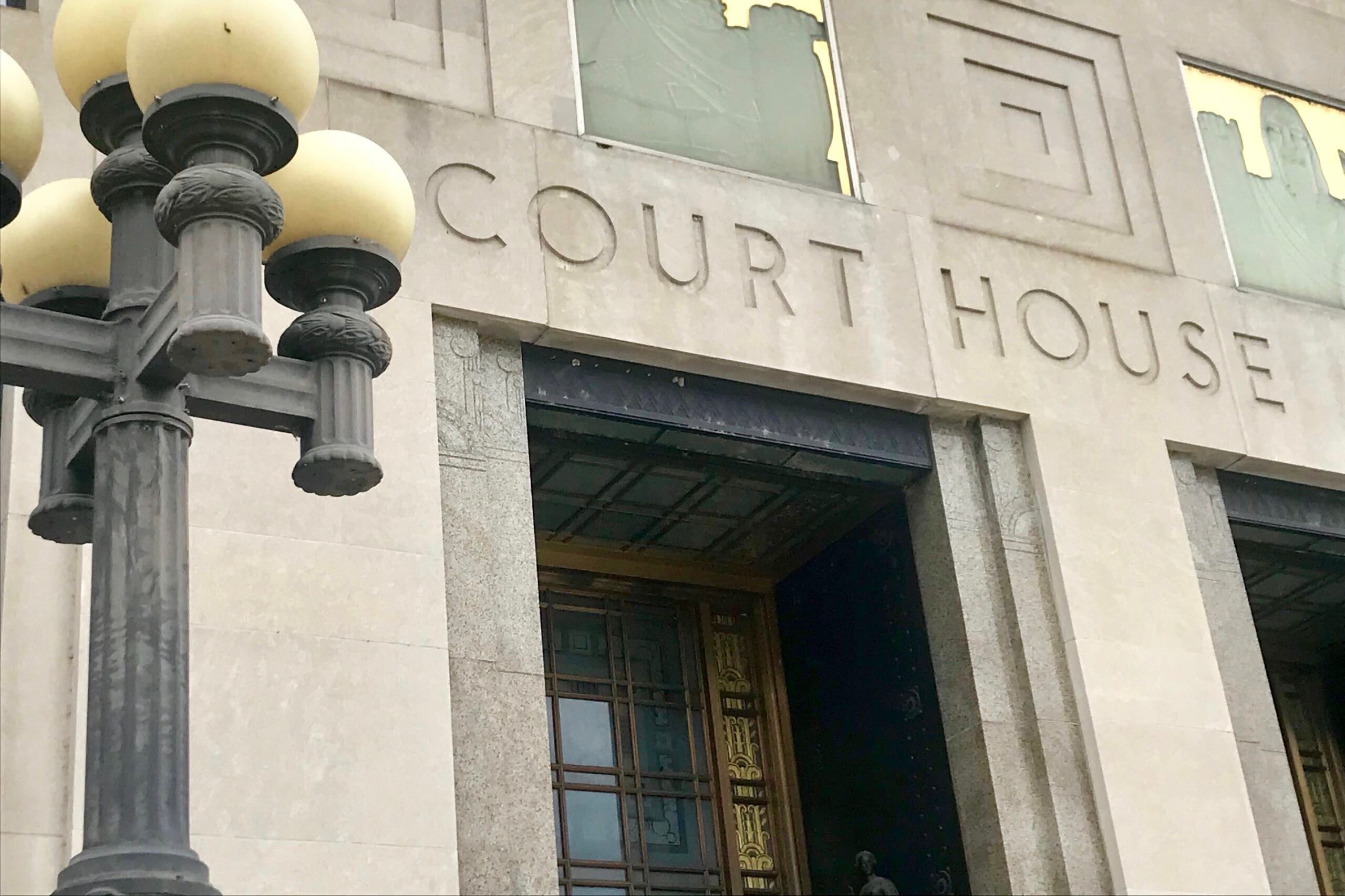
An appeals court has agreed to review Tennessee’s school voucher case but won’t consider allowing the program’s rollout to resume until the appeal is resolved.
The Tennessee Court of Appeals issued its decisions Tuesday in a two-page order and set Aug. 5 to hear arguments in the case.
At issue is whether the state will be permitted to begin providing taxpayer money to eligible students in Memphis and Nashville to pay for private school tuition and other private education services.
The new court orders keep Tennessee’s overturned education savings account law alive, but also diminish the chances that the program can realistically launch this fall as directed by Gov. Bill Lee. The 2020-21 school year is set to start by early August, and the hearing will take place about two months after the deadline for private school admissions. But the state could still take the matter up with the Tennessee Supreme Court.
“We’re reviewing the order and are conferring with the attorney general’s office regarding next steps,” said Gillum Ferguson, the governor’s press secretary.
In seeking an appeal, the state said Davidson County Chancellor Anne C. Martin erred earlier this month when she sided with local governments in Tennessee’s two largest cities and declared the 2019 law unconstitutional. Martin also ordered the program to halt immediately and later denied the state’s request to lift that order pending an appeal.
“We concur with the trial court that this is an appropriate case” for appeal, the higher court said, based on several issues raised by the state. Those included whether the Tennessee Constitution’s “home rule” provision applies in this case and prevents the legislature from passing a law that affects only two cities without the support of their elected officials or voters.
“We also find that the appeal should be expedited,” the order said.
The lead attorney for the plaintiffs said they were pleased that the program remains blocked.
“We agree with the Court of Appeals that the program should not be allowed to proceed while that ruling is on appeal,” said Bob Cooper, law director for Metropolitan Nashville government.