Sign up for Chalkbeat Tennessee’s free daily newsletter to keep up with Memphis-Shelby County Schools and statewide education policy.
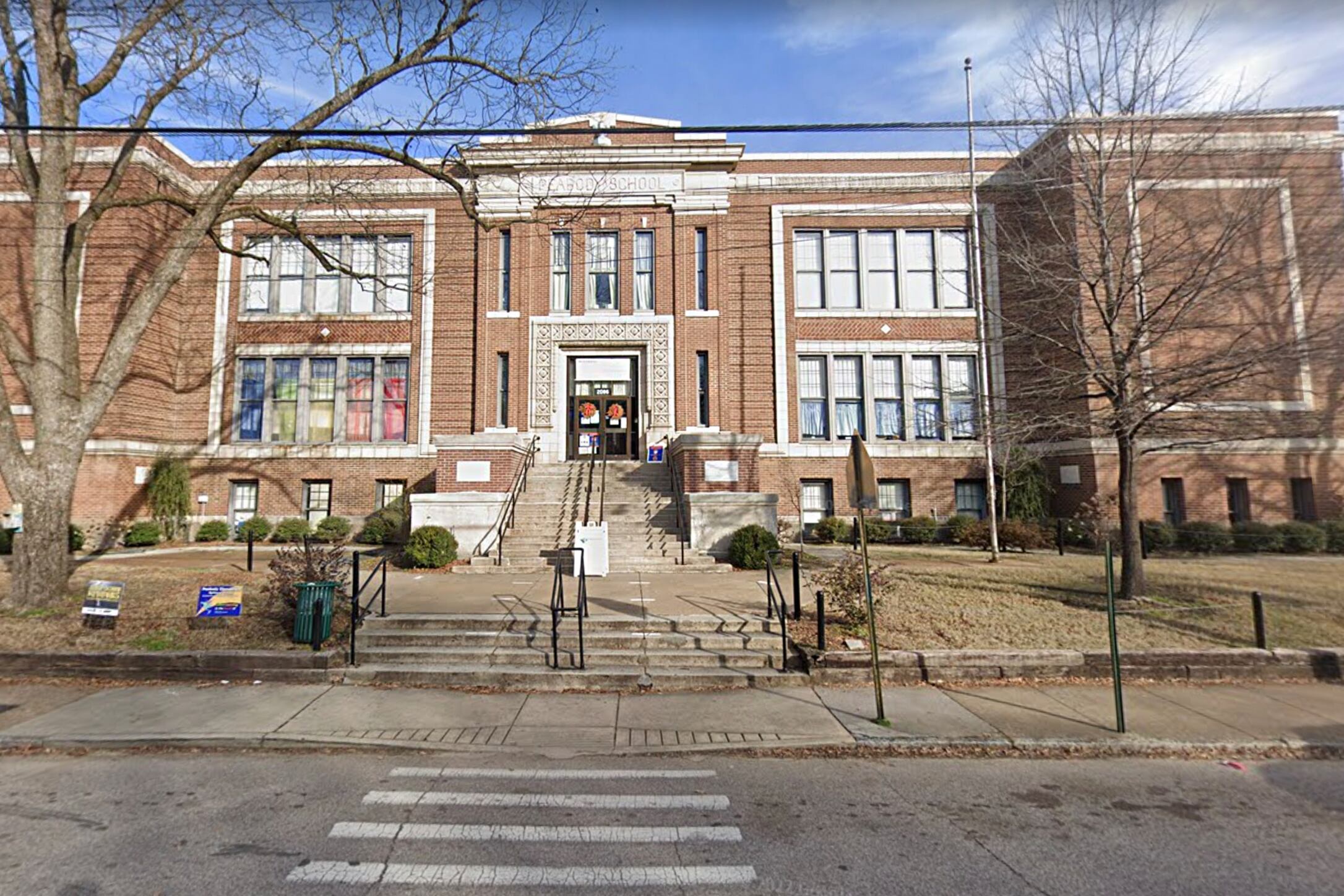
Students at Peabody Elementary School will attend class at two other buildings while the school district works to eliminate mold from the 114-year-old structure.
According to Memphis-Shelby County Schools, Peabody’s K-5 students and staff will move to the first floor of Middle College High School, at 750 E. Parkway, beginning Thursday. The school is about a mile away from Peabody.
Its pre-kindergarten students will attend W.H. Brewster Elementary, at 2605 Sam Cooper Blvd., about 3 miles from Peabody.
Peabody closed Sept. 8 after mold was discovered in the ductwork and grates on the school’s first floor. District officials said they will update parents during fall break, Oct. 9-13, on when they plan to move Peabody’s 323 students back into the building.
“Significant progress has been made” in removing the mold, MSCS said in a notice to parents. “However, the complexity of the job has exceeded our initial expectations due to the historical nature of the structure.”
This is the second time in the past two school years that MSCS students and staff have had to change schools because of issues linked to aging buildings.
In August 2022, students at Cummings K-8 Optional School had to relocate after the school’s library ceiling partially collapsed just days into the new school year. The structure that houses the library was built in 1930.
Old buildings like Peabody Elementary are more susceptible to mold because they’ve been exposed to weather and excessive moisture longer than newer structures.
Inhaling mold can trigger allergies and asthma. In Memphis, asthma is the cause of more than 3,500 visits to LeBonheur Children’s Hospital each year, and is the most common diagnosis, according to the hospital’s website.
More than 33 of MSCS’ schools were constructed before 1950, meaning the buildings are 70 or more years old.
District officials will introduce a new facilities plan this school year that will propose ways to deal with a growing backlog of costly maintenance issues. A mix of construction projects, closures, and consolidations will likely affect thousands of students, forcing more students to relocate to different buildings, at least temporarily.
MSCS said it will provide crossing guards, security officers, and additional support staff to ease the transition at Peabody. Regular bus routes will continue for bus riders.
For those who walk or who require additional transportation, an extra bus will arrive at Peabody at 7:15 a.m. and 7:50 a.m., and will return to Peabody for dismissal at 3:30 daily.
Bureau Chief Tonyaa Weathersbee oversees Chalkbeat Tennessee’s education coverage. Reach her at tweathersbee@chalkbeat.org.