Did you know search engines like Google are changing the way you see news? Keep Chalkbeat’s valuable education coverage at the top of your feeds by clicking here and checking the box next to our name.
Knox County Schools cannot block a Christian charter school application on religious grounds despite a Tennessee law banning religious charter schools, according to a federal court ruling on Friday.
The narrow decision applies only to Knox County Schools and the Wilberforce Academy of Knoxville, which sued the school district last year over its application of the state law. It does not strike down Tennessee’s religious charter school ban or guarantee that Wilberforce’s application will be approved.
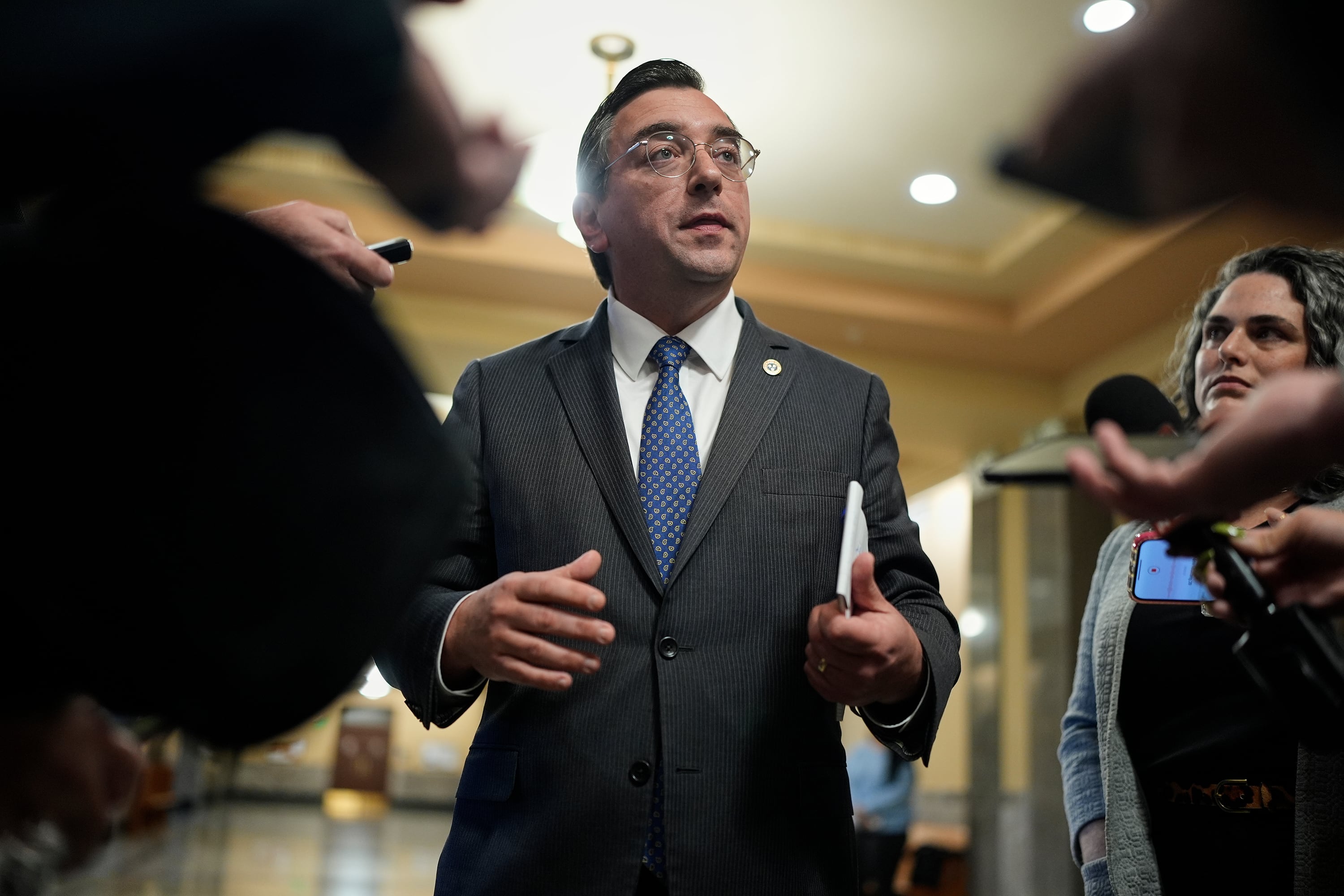
The ruling comes amid a growing national conservative push to greenlight taxpayer-funded religious schools. Tennessee Attorney General Jonathan Skrmetti declined to defend the 2002 law earlier this year after publicly calling it “likely” unconstitutional, leaving Knox County Schools to face a lawsuit challenging a state law it was required to enforce.
Tennessee lawmakers also loosened the state’s restrictions on religious charter schools this year, allowing religious organizations to operate charter schools as long as the schools themselves remain nonreligious. Wilberforce, however, aims to open an explicitly Christian school with a religious curriculum.
Wilberforce first registered as an educational nonprofit in Tennessee on Nov. 21, 2025. It sued Knox County Schools in federal court nine days later, alleging the district wouldn’t allow it to apply to become a charter school without affirming it would be a “nonsectarian, non-religious school.” The school’s lead attorney has worked closely with Skrmetti’s office on other high-profile cases in recent years.
In its lawsuit, Wilberforce argued that Tennessee’s ban is unconstitutional and at odds with the state’s new voucher program, which allows families to use taxpayer dollars to pay tuition at religious private schools.
U.S. District Court Judge Charles E. Atchley Jr. agreed, writing in his ruling that the First Amendment doesn’t allow a state to require an organization to “abandon its religious beliefs or practices as the price of participating in a public benefit program.”
“Once the state opens that program to private participants, however, it may not prohibit them from receiving a public benefit solely because of their intended religious use,” Atchley wrote.
Charter school advocates have been among the most outspoken opponents of the religious charter school push, arguing that injecting religion into the sector will blur the line between public and private education.
Starlee Coleman, president and CEO of the National Alliance for Public Charter Schools, said in a statement that the Tennessee ruling “threatens the public foundation of charter schools and the accountability that comes with it.”
“Treating charter schools as private rather than public entities could force states to reconsider their charter laws,” Coleman said. “It could also put public funding, teacher health care and retirement benefits, facilities support, and civil-rights protections at risk for nearly 4 million students and their educators nationwide, including those at schools with no interest in becoming religious.”
In a statement to Knox News, Wilberforce Executive Director Zach Wishart said the school is excited about what the ruling “means for the future of Christian education in Tennessee.”
“(The ruling) advances educational freedom and opens the door for more children, regardless of their family’s financial circumstances, to access a tuition-free, Christ-centered education,” Wishart said.
Attorneys for Knox County Schools declined to comment on the ruling, but attorneys for a coalition of families and advocates who intervened in the case said Friday they are “evaluating next steps.”
“We strongly disagree with (the) decision because under clearly established law all public schools, including charter schools, must be nonreligious,” Jessica Levin, litigation director at the Education Law Center, said.
Melissa Brown is the bureau chief for Chalkbeat Tennessee. Contact Melissa at mbrown@chalkbeat.org.