Sign up for Chalkbeat Chicago’s free daily newsletter to keep up with the latest news on Chicago Public Schools.
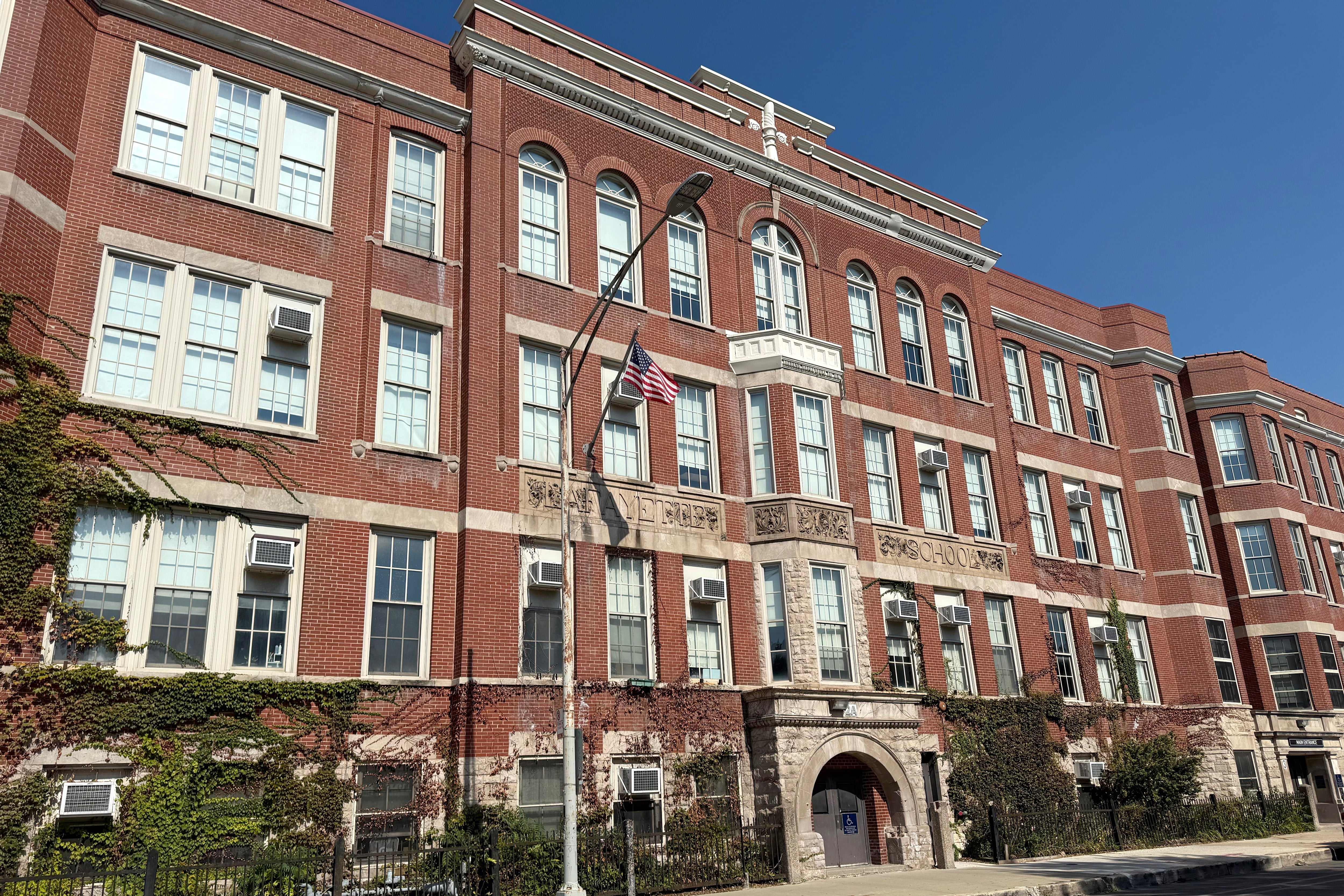
The Chicago school board for the second time postponed a controversial proposal to steer an estimated $5.5 million to Chicago Arts High School, formerly known as ChiArts, a once privately run school the board voted last year to absorb to avert its closure.
The extra money would come on top of $5.7 million already earmarked in the budget passed in July for its transition to a district-run school. School board members who back the proposal say the added money would allow the campus to more fully preserve its conservatory model, in which students receive hours of training from professional artists alongside each day’s academics. But district officials cautioned they would have to dip into funding for some of CPS’s 72 other, generally less intensive arts schools — a move that critics said would be unfair and damaging to other schools.
Supporters on the board said the extra dollars would tide the school over for a year until it cultivates philanthropic backing for its conservatory — a push that curtailing its arts offerings could undermine. Under the proposal, the school would keep more of roughly 70 teaching artists involved with its conservatory last school year.
The push comes after months of vocal lobbying of the board by students, parents, educators, the Chicago Teachers Union, which represents them, and other backers — and at a time of intense fiscal stress for the deficit-plagued district.
“I know this is not the same school people signed up for,” said board member Michilla Blaise. “We need to step up and make sure an extremely successful school continues to be extremely successful.”
Blaise authored the resolution to provide more funding and moved to table it until the board’s Sept. 10 meeting, saying conversations with district officials are ongoing. Blaise’s resolution includes no dollar amount, but the district estimates it would take $5.5 million to provide the additional staff it calls for.
District officials have balked at the proposal. In an internal memo obtained by Chalkbeat, Superintendent Macquline King told board members that CPS had already delivered on its promise to preserve the conservatory model “to the greatest extent practicable.” She noted that other arts high schools received $53,000 on average for their arts programming this year. And even with the backing of a now-dissolved foundation that actively fundraised for the school, its previous model had ultimately proved unsustainable, King wrote.
Chicago Arts High School’s total 2026-27 budget is $14.4 million. With an additional $5.5 million, per-pupil spending at the school would increase to almost $40,000, compared with a district average of about $20,000 — a cost supporters say makes sense for an intensive, specialized program preparing students for arts careers.
Under the district’s existing plan, the school’s nine-hour day was shortened by 50 minutes, to what CPS said was still longer than many comparable schools nationally. The district said it created 20 positions for resident artists, whom the school could eventually share with other area campuses.
At Thursday’s meeting, King said transitioning the school to district management had been a “herculean effort.” The school will now offer eight Advanced Placement classes as well as online courses for about 200 students who are not on track to graduate. Officials said preliminary enrollment this week is down almost 40 students, to about 500, in line with districtwide decreases.
“We needed to create a new school and adjust the model to ensure long-term sustainability and academic rigor,” King said.
In her memo, King had urged board members to weigh their decision in the context of already substantial resources that CPS devoted to absorbing five campuses of the Acero charter network — more than $13 million so far — as well as millions more to deal with fiscal trouble at the now defunct EPIC Academy High School and the ASPIRA charter school network, which closed its campuses in recent years.
In an open letter to the board, Joe Ferguson, the head of the Civic Federation, had urged the board to reject the additional money, arguing that siphoning the funding away from other schools would set a “dangerous” precedent.
“This is the worst kind of Chicago parochialism — favoring one small but vocal group over the needs of the many,” he wrote.
At Thursday’s meeting, board member Che “Rhymefest” Smith, who is an advocate for more robust arts education across CPS, once again voiced opposition to granting Chicago Arts High School more resources, saying many schools in his South Side district had not received any additional funding for arts programs. He said pushing for more resources for one favored program to the possible detriment of others “borders on corruption,” a comment for which board President Sean Harden censured him.
Blaise said she believes the idea that steering more dollars to Chicago Arts High School would siphon off resources from other campuses is “preposterous.” She noted the school’s students are predominantly Latino and Black and come from across the city.
“The narrative that this is some kind of specialty program for rich white kids is completely false,” she said.
Mila Koumpilova is Chalkbeat Chicago’s senior reporter covering Chicago Public Schools. Contact Mila at mkoumpilova@chalkbeat.org.