Error in Indiana’s COVID data tracker affected 71 schools

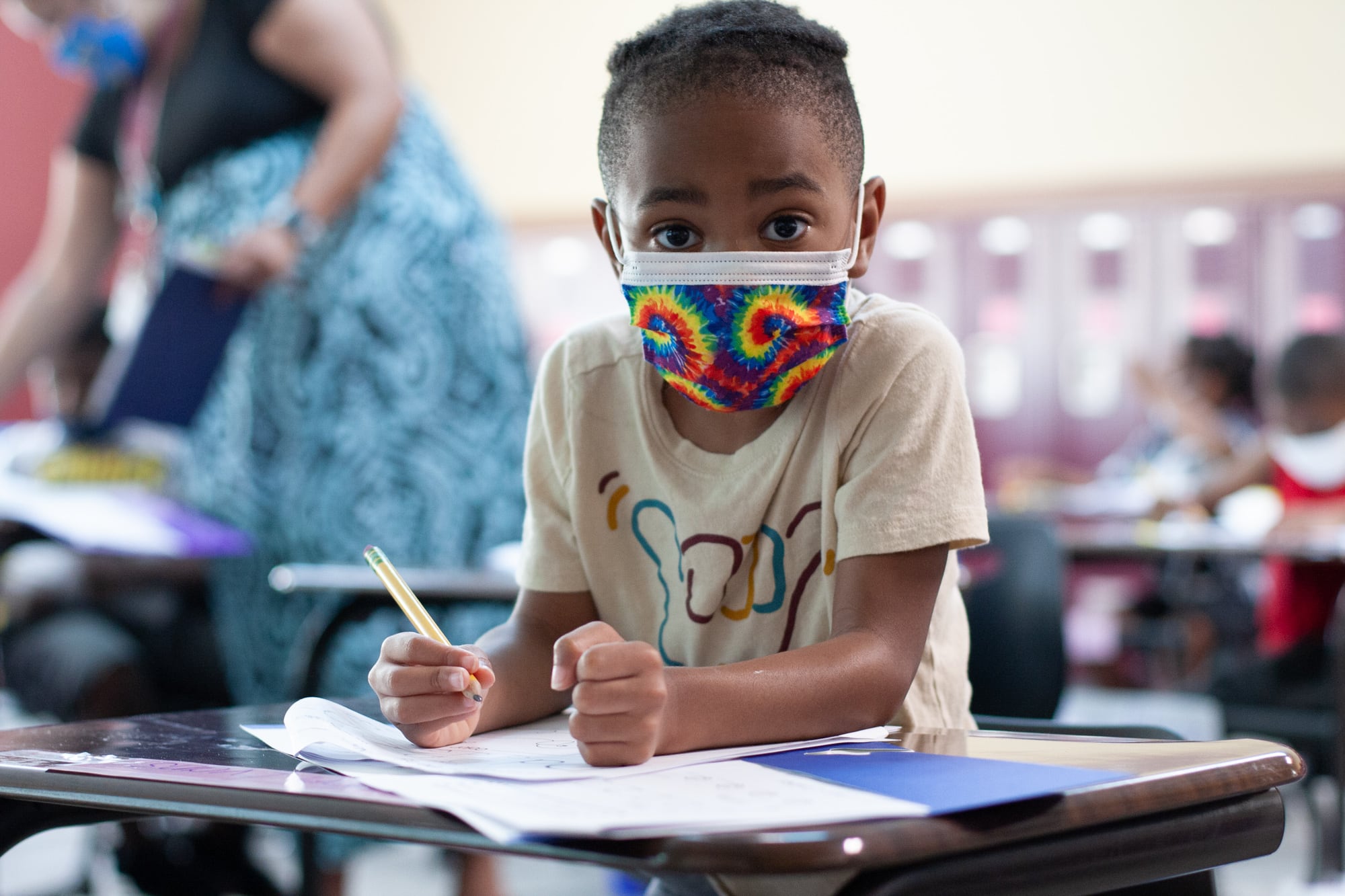
A young boy in a beige shirt with a tie-dye mask looks up at the camera in the middle of writing on a worksheet with a pencil as a teacher helps a student in the background
A student learns about letters at a summer program for incoming kindergarteners at a charter school in Indianapolis. The five-week program is meant to help students adjust to the structure and academics of kindergarten before the school year starts. (Carson TerBush / Chalkbeat)

The Indiana Department of Health incorrectly listed 71 schools as failing to report their COVID-19 cases to the state this year, a representative said Monday.  

The schools had actually reported zero cases, but were tagged as not reporting at all until an update to the dashboard last week announced the mistake. 

The state has resolved the issue, a department representative said, and the schools have been corrected on the dashboard as of Monday, according to a note on the website. 

In August, Indiana health officials publicly chastised schools that failed to report their COVID cases this year. At the time, state Health Commissioner Kris Box said more than 1,200 of the state’s 2,200 schools fell into that category. 

The corrected list means that, by state health officials’ public estimates, the proportion of schools not reporting would still be just above 50%. However, the dashboard indicates that 477 schools — about 22% — are not reporting their cases. 

The dashboard also now separates COVID case data by school year, an update health officials also promised last month. 

Indiana reported nearly 4,500 COVID cases among students last week, with the total number inching downward after a spike at the beginning of the school year. The state reported another 542 cases among teachers and staff.

The Latest

Concerned about fake videos, vaccine myths, and election disinformation, a group of Philly teens built a curriculum to help classmates think critically about what they see online.

Pennsylvania is among the states considering new civil rights enforcement powers as Trump dismantles the Education Department. Replacing the federal role won’t be easy.

Nearly two decades later, students in Texas who were held back were less likely to have a high school degree and earned less money. This adds a new wrinkle to the third-grade retention debate.

Arizona is either a national exemplar or a cautionary tale for universal school choice programs. A proposed state ballot measure could provide a test of public sentiment toward such programs.

The $20,000 settlement will be paid out in three installments over the next 10 months.

Graduation rates fell in New York City and statewide for the Class of 2025 as pandemic-era exemptions to graduation requirements have phased out.