Sign up for Chalkbeat Indiana’s free daily newsletter to keep up with Indianapolis Public Schools, Marion County’s township districts, and statewide education news.
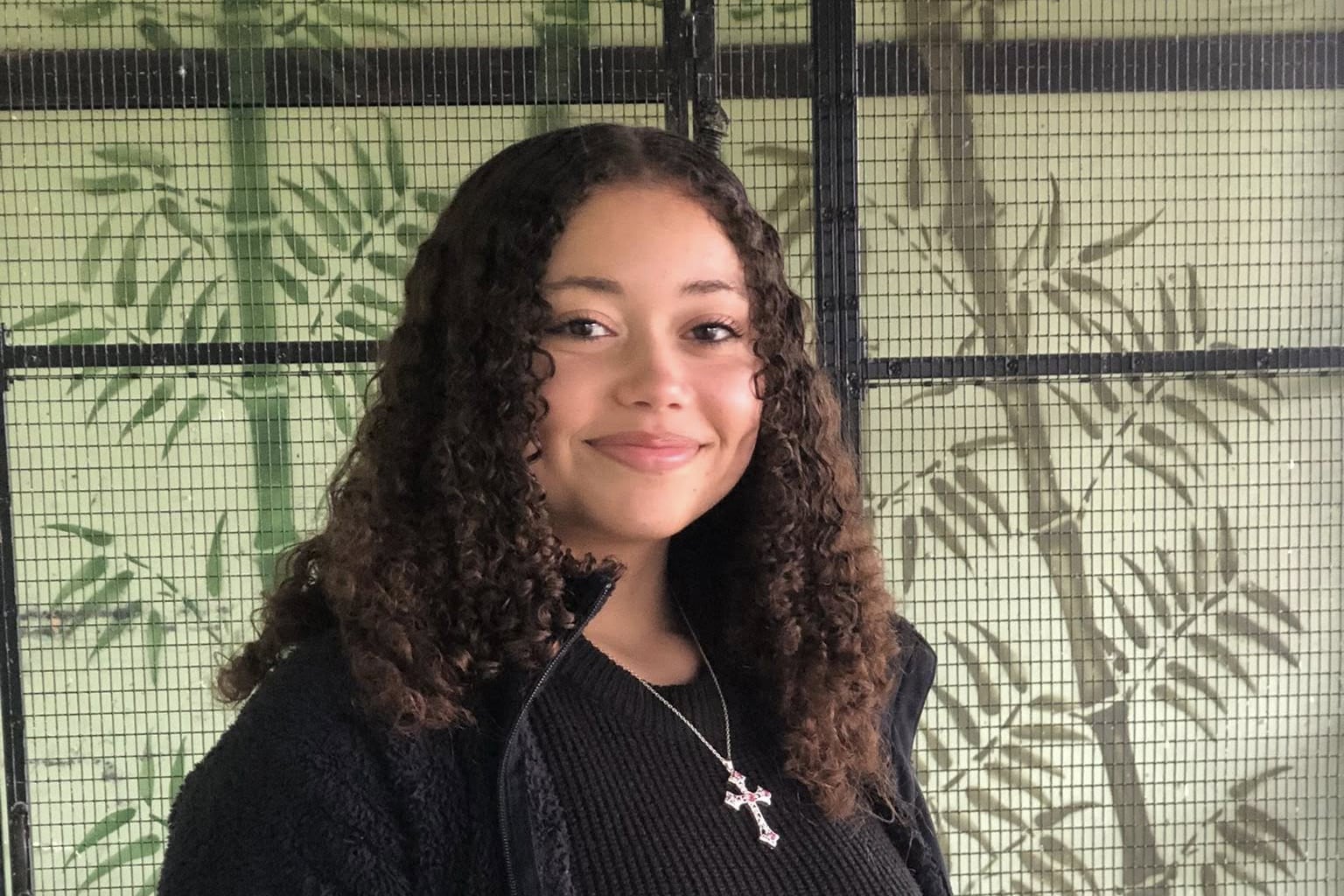
The parents of slain Fishers junior Hailey Buzbee called on Indiana lawmakers to limit minors’ access to social media after their daughter’s death was linked to a 39-year-old man she spoke to online.
The original version of SB 199 would have banned social media operators from allowing Hoosier children to make accounts on their platforms and limited access for older teenagers. But this language was stripped in the Senate.
Now, House lawmakers are considering adding a version of the restriction back with an amendment.
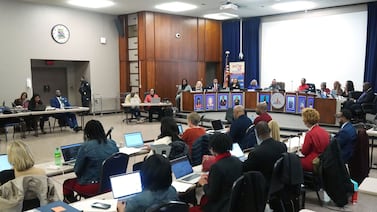
Speaking at the House Education Committee Wednesday in support of the amendment, Beau Buzbee said 17-year-old Hailey had been lured away from their home by an online predator last month. Law enforcement announced Feb. 1 that she is believed to be deceased and that an Ohio man was arrested in connection with her disappearance.
Buzbee said their experience showed glaring gaps in Indiana law that needed to be addressed.
“We are losing the fight to protect our children. The internet and social media are the devils’ and predators’ playgrounds, and it’s on this front that we must fight,” Buzbee told lawmakers. “Please do not let this opportunity slip away.”
Supporters of Hailey’s Law have also called for schools to provide mandatory updated predator education and for updates to the state’s missing person alert system. Lawmakers said on Monday they would add an expansion to the alert system as an amendment to HB 1303, a bill that increases the penalties for child exploitation, and that they would discuss adding more education to the existing health standards.
Indiana legislators previously considered — but ultimately failed to advance — a social media ban for minors under 14 and restrictions for those under 17 this year.
The most recent iteration of the ban is the amendment to SB 199, which requires social media providers to estimate the age of an account user and seek permission from the parents of users under 16. For minor accounts, the amendment forbids social media providers from using an algorithmic feed or selling data for advertising purposes, restricts who can contact the user, and gives parents monitoring tools.
Critics have raised First Amendment concerns as well as the possibility that the state will be drawn into an extended legal challenge over the law.
But supporters of a restriction on social media, including Secretary of Education Katie Jenner, say the state must act to address the risks of social media to children and teens the way it does for other dangerous activities, like tobacco use. Social media use is linked to depression, irregular sleep, and a lack of physical activity and social emotional support, said State Health Commissioner Lindsay Weaver. And these issues spill over to classrooms and affect learning, school leaders said.
House lawmakers heard hours of testimony overwhelmingly in support of the language on Monday, but did not take action to add it to the bill.
Supporters of the amendment included South Bend student Rima Bahradine-Bell, who said social media use promises community and affirmation but actually leads to comparison and dependency.
“I’m coming to you as a teenager and a high schooler, and I’m telling you that I would have liked to not have any social media at that age,” she said. “My friends are telling me to tell you that we did not want this.”
Amy Klink, a school counselor at Guerin Catholic High School, said she frequently speaks to students experiencing mental health crises as a result of social media and to their parents, who struggle to restrict social media access.
“Even when parents are aware of a social media account, they can’t be aware of every account with a new name. Parental verification could help with this,” Klink said. “It’s not the magic pill, but it will help.”
SB 199 will return to the House Education Committee on Wednesday for lawmakers to amend and vote.
Aleksandra Appleton covers Indiana education policy and writes about K-12 schools across the state. Contact her at aappleton@chalkbeat.org.