Did you know search engines like Google are changing the way you see news? Keep Chalkbeat’s valuable education coverage at the top of your feeds by clicking here and checking the box next to our name.
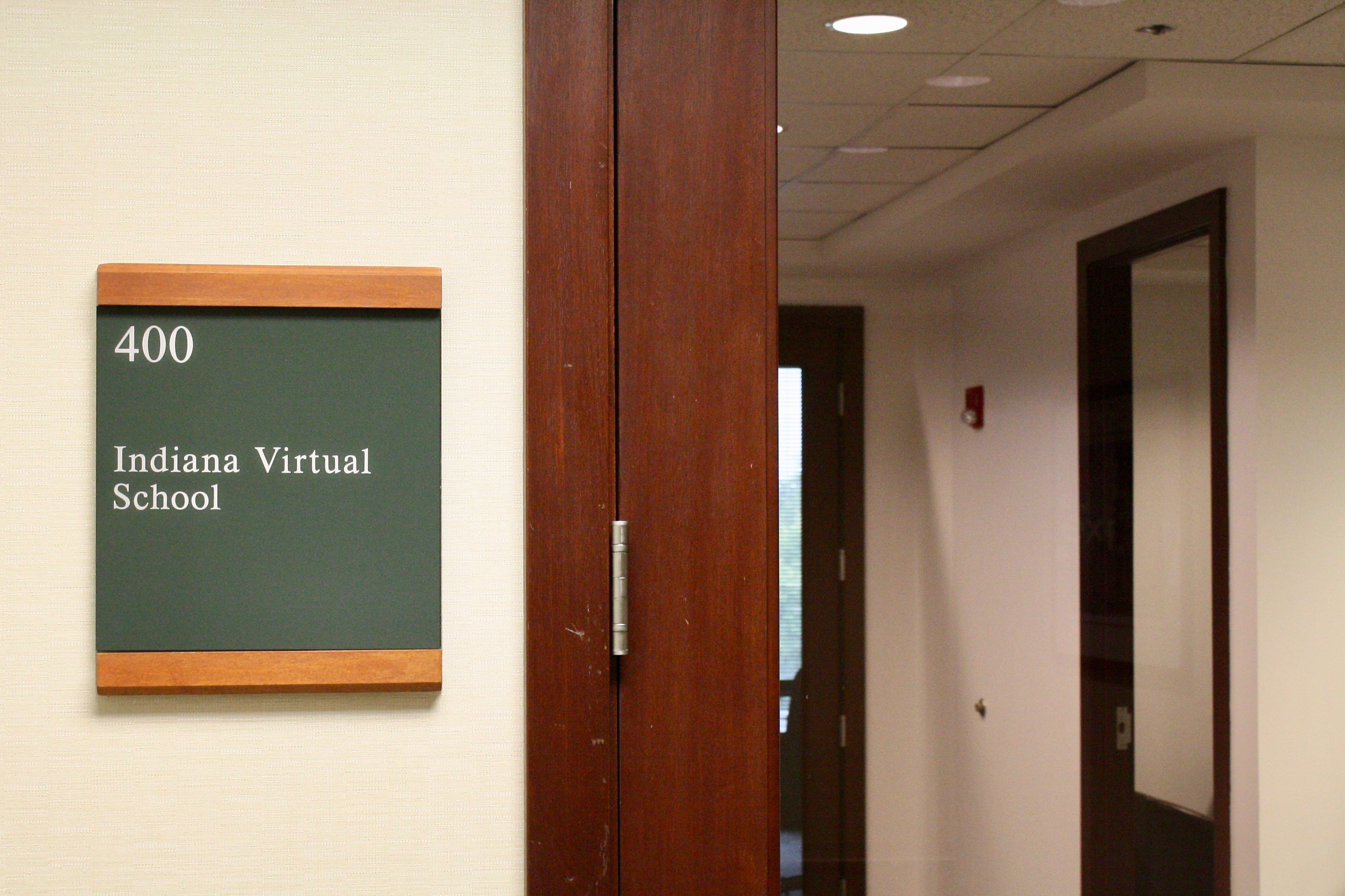
The former director of the Indiana Virtual School was found guilty of fraud on Thursday over his role in a scheme to inflate enrollment in order to siphon $44 million in student funding from Indiana.
Philip Holden faced 17 counts of wire fraud and one count of conspiracy to commit wire fraud. He was found guilty on all counts.
Holden was responsible for student enrollment, attendance, and teacher compensation in his role at IVS and Indiana Virtual Pathways Academy, a related school, according to the indictment.
The federal charges against Holden and others followed a 2017 Chalkbeat investigation of IVS that found the school had ballooning enrollment, just one teacher for every 222 students, and financial conflicts of interest. The investigation led Indiana lawmakers to tighten funding and attendance requirements for virtual schools.
Two other men previously pleaded guilty to fraud in the case: former school superintendent Percy Clark pleaded guilty to conspiracy to commit wire fraud in June 2025 and agreed to pay back around $1.3 million. School founder Thomas Stoughton pleaded guilty to fraud charges the day before a joint trial for himself and Holden was due to begin.
The indictment alleged that Holden, along with Stoughton and Clark, inflated enrollment numbers to receive per-pupil funding from the state of Indiana. The schools then funneled that money to for-profit companies owned by Stoughton and paid out to Stoughton, Clark, and others in the case, the indictment says.
Defense attorneys for Holden characterized him as a fall guy who did not financially benefit from the scheme as other more senior administrators at the school did.
“My client did not take a dime,” Holden’s attorney, Jon Little, told Chalkbeat on Friday. “My client is not even alleged to have taken a dime. My client was only paid for his labor.”
The U.S. attorney’s office for the Southern District of Indiana did not immediately return a request for comment.
Holden is due to be sentenced on Feb. 25.
Aleksandra Appleton covers Indiana education policy and writes about K-12 schools across the state. Contact her at aappleton@chalkbeat.org.