Sign up for Chalkbeat New York’s free daily newsletter to keep up with NYC’s public schools.
Some migrant families will get a reprieve from a widely criticized policy that evicted them from New York City shelters every 60 days, often disrupting their children’s schooling.
Migrants living in city shelters have been required to reapply for beds every two months, sometimes necessitating moves far from their initial shelter placements. But officials announced Monday that families with children in grades K-6 will only be required to move once — after their first 60 days in a city shelter.
After that, families will be able to stay in the same shelter, though they will still have to reapply, a City Hall spokesperson said.
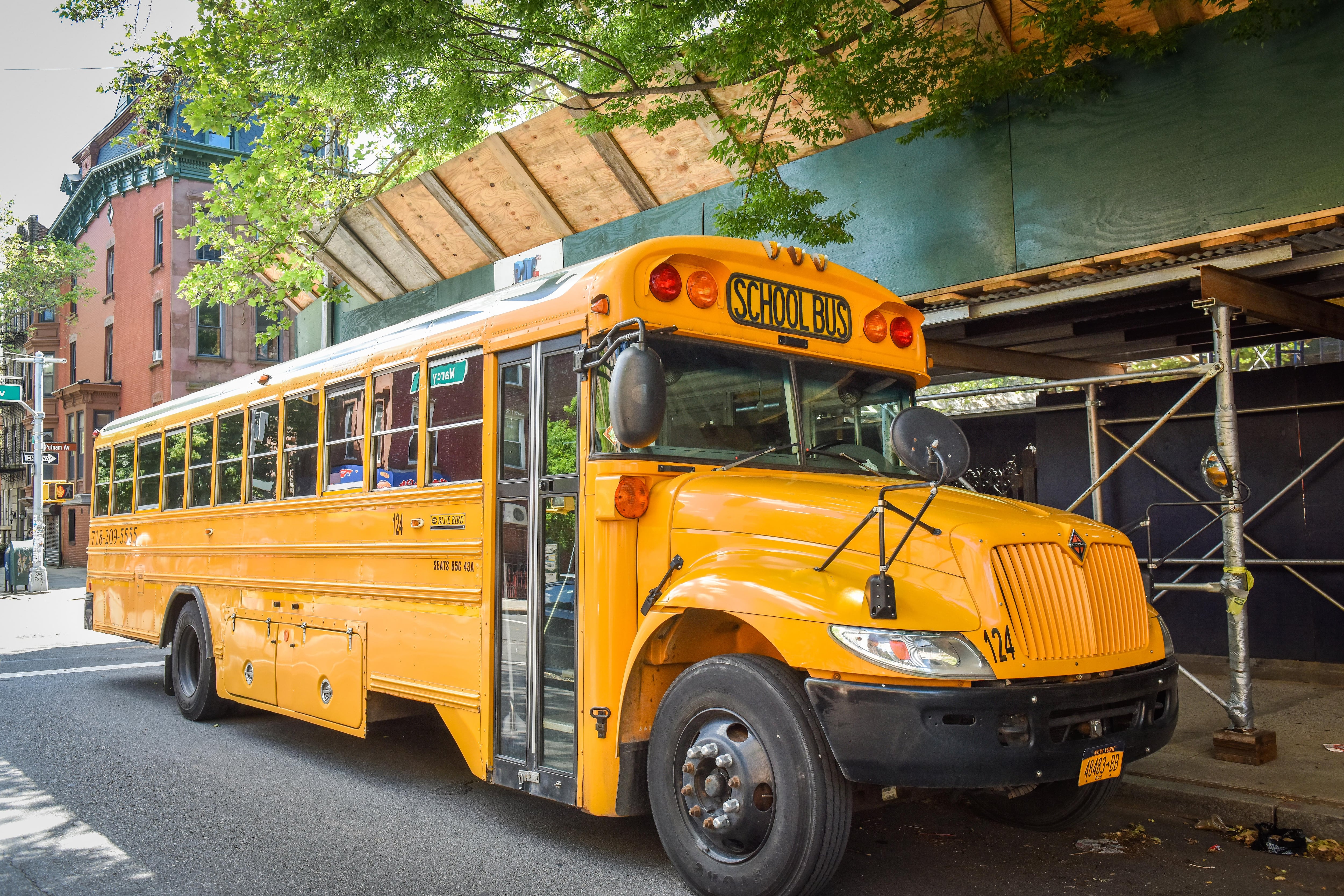
The decision to tweak the 60-day policy comes as the influx of migrants has slowed, leading the city to close some emergency shelters. City officials argued that tweaking the 60-day policy would save money on school buses required to ferry students from new shelter placements to their original schools, though they did not provide specific estimates.
“The new policies we’re implementing today will build on our successes, save taxpayers millions, and help even more migrants take their next steps towards fulfilling their American Dream,” Mayor Eric Adams said in a statement.
City officials also vowed to set up a centralized mail center for migrants to help them keep track of essential paperwork even as their addresses may change.
Advocates have long criticized city officials for forcing migrants to bounce from shelter to shelter, disruptions that are especially difficult for families. Although students in temporary housing have a legal right to stay in their initial school, families often face a difficult dilemma: enroll at a campus closer to their new shelter, potentially upending their child’s education, or brave longer commutes on public transit or the city’s notoriously unreliable yellow bus system.
It’s unclear how many families will be affected by the tweak to the 60-day policy. Nearly 14,000 migrant families have been given 60-day notices through Nov. 10, according to figures from Comptroller Brad Lander’s office. About 42% of them are still in the shelter system. City officials did not say how many families in the shelter system have children in grades K-6.
Multiple advocacy groups applauded the change to the 60-day policy while arguing it does not go far enough.
“Allowing certain families to stay in their same shelter placement is a step in the right direction, but the city should end the 60-day limit for families and youth altogether,” said Jennifer Pringle, director of the Learners in Temporary Housing Project at Advocates for Children.
The new policy will continue to create unnecessary disruptions for families who will still be required to move after their first two months in a city shelter, Pringle said. Most students living in shelters are chronically absent from school, and she believes getting rid of the 60-day rule could help boost attendance.
Christine Quinn, the CEO of a supportive housing provider for families called WIN, also urged the city to do away with the 60-day policy. The approach leaves “countless families in a perpetual state of limbo, creating unnecessary instability while inflicting lasting trauma,” she said in a statement.
“We urge the City to go further and end these cruel and senseless shelter stay limits and administrative transfers once and for all,” Quinn said.
The City Council’s immigration committee is scheduled to hold an oversight hearing on the 60-day policy on Tuesday.
Alex Zimmerman is a reporter for Chalkbeat New York, covering NYC public schools. Contact Alex at azimmerman@chalkbeat.org.