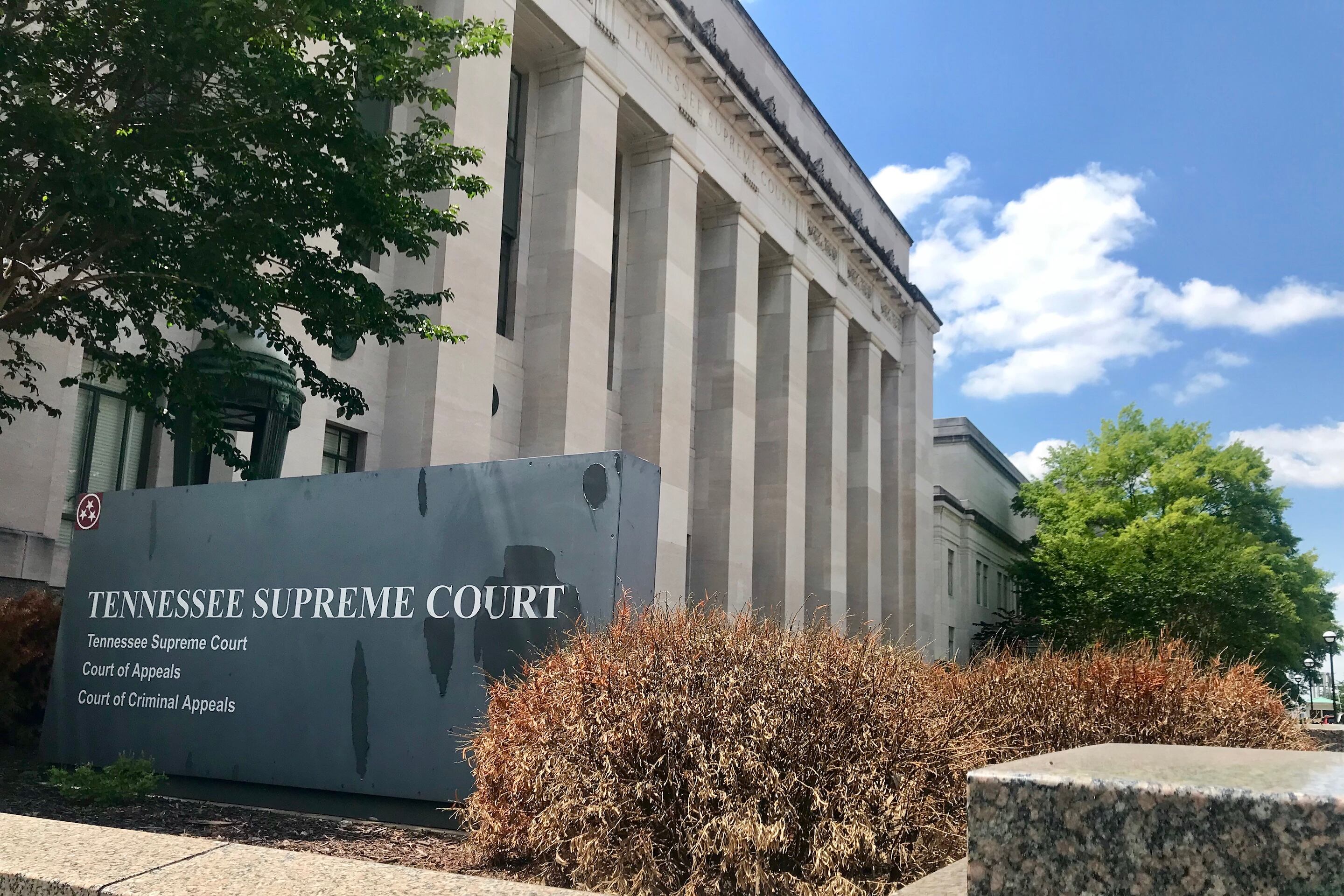
Tennessee is set to defend its overturned school voucher law Wednesday before a state appeals court. The arguments aren’t expected to change much from previous hearings in the case, but the context sure has.
Amid the ongoing pandemic, the issue of school choice is in the national spotlight, as many families make wrenching decisions about when, how, and whether to send their children to school this fall. But local rule — not the merits or pitfalls of school choice — is at the crux of the case before the Tennessee Court of Appeals.
In May, Davidson County Chancellor Anne C. Martin struck down the state’s 2019 voucher law because it applies only to Memphis and Nashville without giving their local governments or voters a say. The vouchers, called education savings accounts, would give taxpayer funding to eligible families in those cities to pay for private school tuition.
Attorneys representing local governments in Metropolitan Nashville and Shelby County, whose joint lawsuit led to the ruling, are expected to keep the focus of their arguments Wednesday on the “home rule” provision of the state constitution. The provision is designed to protect local governance.
The state attorney general and several pro-voucher groups are asking the three-judge panel to reverse Martin’s ruling. They have argued that education policy is the state’s responsibility and that local constitutional protections don’t apply in this case.
A decision is expected this fall and, regardless of the outcome, will likely be appealed to the Tennessee Supreme Court.
Gov. Bill Lee, who pressed for education savings accounts, has said he expects the law to be resurrected on appeal, allowing his administration to launch the program in the fall of 2021.
The court battle kept the state from rolling out education savings accounts this fall. In her ruling, Martin also blocked the program’s implementation, and two higher courts declined to step in while the case was under appeal.
While the case centers on constitutional law, the sudden changes in American schooling caused by the coronavirus make for an interesting backdrop to this week’s hearing. And those changes are certain to affect how education policy is shaped for the future.
Shaka Mitchell, Tennessee director of the pro-voucher American Federation for Children, believes the quality of teaching and learning this year will serve as a referendum for every school, public or private.
“Last spring, parents were willing to extend a lot of grace to teachers and school leaders. But they’ve had their kids home now for almost half a year, so they’re not going to tolerate education plans that are inadequate and sloppy,” Mitchell said.
Others are watching how the economic fallout from the pandemic could affect public school funding, especially as the school choice movement has gained steam under the Trump administration.
“The larger the school choice program, the greater the possible stress on public schooling. This should be of special concern in a pandemic when we know there’s a very good chance that public school funding will be reduced,” said Preston Green, a professor of educational leadership and law at the University of Connecticut.
The state’s case for vouchers is joined by three pro-voucher groups: the Beacon Center of Tennessee, the Institute for Justice in Virginia, and the Chicago-based Liberty Justice Center.
The court will not hear from plaintiffs from a second voucher lawsuit against the state. Last month, the appeals panel denied a motion to intervene in the case by the Education Law Center, the Southern Poverty Law Center, and the American Civil Liberties Union of Tennessee.