
Vouchers
As more public money flows to private religious schools, a Colorado preschool case asks whether states can enforce non-discrimination rules.

School choice supporters hope the New York governor’s decision will sway other Democrats.
The program could raise billions for schools, but some elected officials say it should focus on helping the neediest students.

The tax credit launches in 2027 and could become one of the largest sources of federal funding for schools.
The scholarship program, which rolls out next year, has raised questions of equitable access for all students and its implications on public school funding.

A failed Arizona ballot initiative sought new limits on one of the nation’s most expansive school choice programs — and exposed a key split among voucher supporters.

Spending on the Indiana Choice Scholarship program has grown dramatically over 15 years. But vouchers only alleviate some of the cost of many private schools in the city.
An internal estimate from a school choice group suggests it could cost $300 or more to persuade each taxpayer to participate — potentially complicating efforts to scale the new tax credit.

A big question in the federal school choice expansion has been whether states can design programs that align with their priorities. Linda McMahon said yes. Treasury just said no.

Iowa Auditor Rob Sand is making opposition to the state’s voucher-like ESA program a centerpiece of his campaign for governor. Will it work?
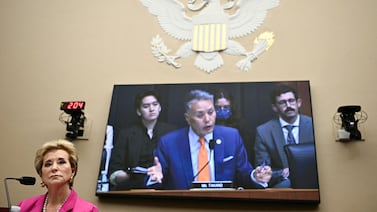
Governors are awaiting rules from the Treasury Department that could determine whether states can impose non-discrimination or require that scholarships go to students from low-income families.
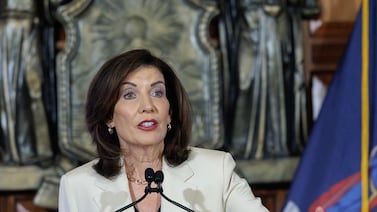
New York could be the second Democrat-led state to join the program, which represents a major federal expansion of school choice.

Opponents say the subsidy could steer students toward private schools. But lower enrollment doesn’t necessarily mean schools end up with less money.

Some Republicans say private schools participating in the Education Savings Account program deserve more flexibility in what assessment they use.
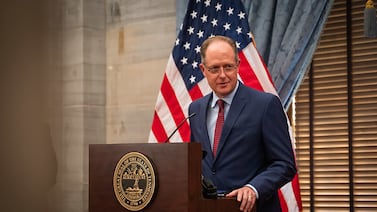
Some Republicans want to roll back a mandate related to Tennessee’s Education Savings Account program.

Private schools participate in the National Assessment of Educational Progress at very low rates. As more students leave the public school system, it’s become harder for NAEP to tell the whole story of American student achievement.
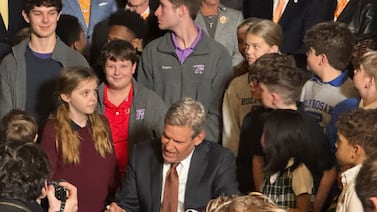
Tennessee would spend around $303 million next school year to fund private school tuition costs for 40,000 students if Gov. Bill Lee’s proposal is successful.

Arizona is either a national exemplar or a cautionary tale for universal school choice programs. A proposed state ballot measure could provide a test of public sentiment toward such programs.
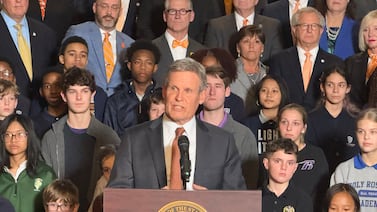
The voucher program that began in 2022 targeted urban districts with certain low-performing schools.

Education groups are jockeying to influence Trump’s signature school choice expansion. The rulesmaking process will help determine whether public school students share in the benefits and whether blue state governors opt in.