Sign up for Chalkbeat Tennessee’s free newsletter to keep up with statewide education policy and Memphis-Shelby County Schools.
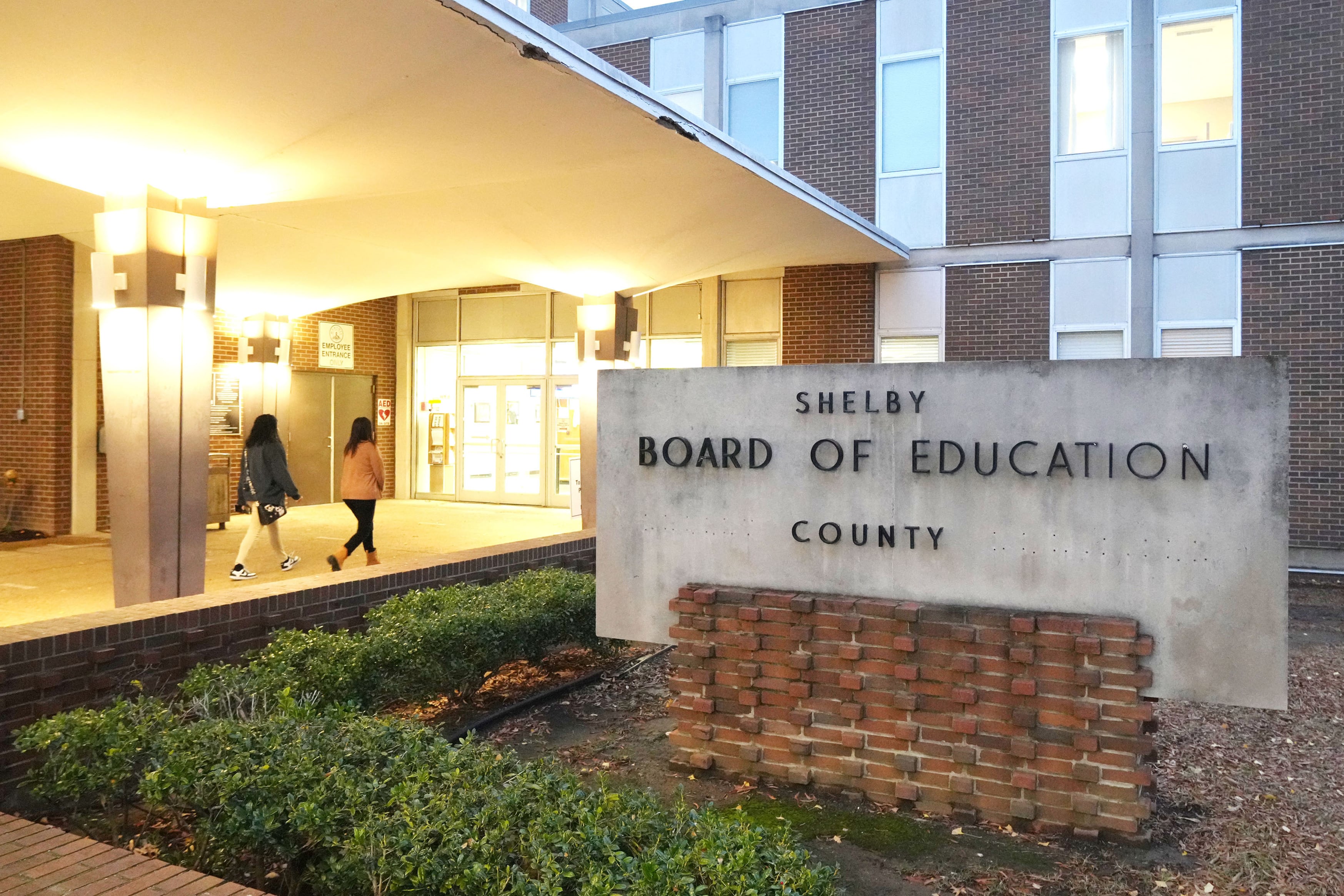
Memphis-Shelby County Schools is under state and local pressure to boost student achievement as the battle over district control continues to play out in federal court.
People advocating to establish a state-appointed oversight board for MSCS cite years of academic underperformance. But concrete ideas for policy and resources that could improve Memphis student outcomes are often missing from debates about the state takeover.
During a Chalkbeat virtual panel Monday, local education experts said improving MSCS won’t be an easy or short-term task. Joshua Glazer, an education policy professor at George Washington University who studies the Achievement School District and iZone, said the district needs a long-term, public plan that outlives any single superintendent or board iteration, especially in a district that has seen four superintendents in the last five years.
“That way, when you have that inevitable turnover, there is community-wide buy-in and commitment,” Glazer said. “And that can sort of buffer a bit when a new superintendent comes because he can’t come in and say, ‘OK, I’m going to start all over again.’”
A state-run forensic audit of MSCS said high leadership turnover degraded internal policies and processes. While most panelists agreed that the district needs a common goal and vision, they disagreed on what that should look like.
Glazer said the plan needs to include a common curriculum and classroom structure across the district. Liz Marable, president of the United Education Association of Shelby County, said MSCS needs universal pre-kindergarten and smaller class sizes.
Cardell Orrin, executive director of local education advocacy group Stand for Children, said there needs to be increased investment in small-group literacy tutoring. But Mark Sturgis, who founded local nonprofit Seeding Success, said one-off programs like high dosage tutoring aren’t the solution.
Instead, he said, there needs to be systemic change, including closing more schools to better concentrate district resources.
“You look at our things like our district footprint, which hasn’t changed in, you know, 30, 40 years,” he said. “People have had lists of schools that needed to be either consolidated or closed or rebuilt for decades.”
Sturgis said change won’t happen with a locally elected school board because of political tension. Seeding Success has been a vocal supporter of state takeover pushes in the past year, partnering with organizations like Memphis Lift and Together4Students to lobby local leaders to drop the lawsuit that temporarily blocked the oversight board in late June.
But Orrin argued that local school boards aren’t to blame for school closure decisions. MSCS’ school board voted to close five schools at the end of last school year, and Superintendent Roderick Richmond plans to close up to 10 more in the next two years.
“That’s the final stage of a process that has been surrounded by disinvestment, by non-focus on our communities,” Orrin said. “And so, really, we should be looking at our city, our county, our state, and asking, ‘How have you supported communities, or how are you not supporting communities?’”
Bri Hatch covers Memphis-Shelby County Schools for Chalkbeat Tennessee. Reach Bri at bhatch@chalkbeat.org.