Colorado school district fall plans: We want to hear from you.

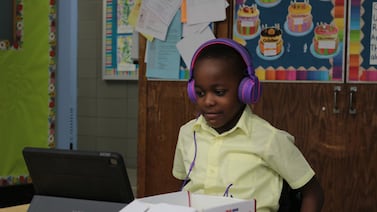
Noel Community Arts School students work through a laptop-based language arts project at the Denver, Colo., school —May, 2019 photo— Nathan W. Armes/Chalkbeat (Nathan W. Armes/Chalkbeat)

Leer en Español.

Colorado school districts are making their fall plans amidst an increasingly uncertain public health situation. 

The state’s two largest districts, Denver and Jeffco, have already announced they’ll start the school year remotely as cases of the coronavirus continue to increase. Other districts have delayed their start dates to do more planning and training. 

Parents, teachers, and students, meanwhile, are weighing their own options: return to the classroom or stay online.

New guidance from the Colorado Department of Education clears the way for most school districts to have regular class sizes for elementary students, but many decisions are left up to school districts. From conducting health screenings to closing the digital divide, there are still a lot of logistics to work out. 

Chalkbeat wants to hear from parents, students, and school staff. Tell us your feedback, concerns, and lingering questions below.


The Latest

Board member Anusha Thotakura introduced a resolution directing the district to study access to early childhood programs, particularly for students with disabilities.

The funding will allow GOAL Line Detroit to serve around 1,000 more students. The nonprofit also provides transportation from city schools to the programs.

Mayor Zohran Mamdani is betting big on the program, which he hopes to expand to 12,000 seats next year and citywide by the end of his first term.

School leaders are worried about the impact a proposed data center may have on its students. And it may pose another challenge at an already difficult time: a decline in enrollment.

As NYC students head back to school with a new AI moratorium and suggested screen time limits, relieved parents are using the rules to set boundaries at home.

The pandemic-era strategy had unusually broad support, and schools had unprecedented federal aid available. But staffing problems, missed sessions, and diluted programs limited its effect.