Retirement can be about more than pickleball and world travel.
For some retirees, winding down a career could mean transitioning to other work or dedicating part of their time to passion projects, said Todd Matuszewicz, 60, who plans to retire soon. Figuring out which is next, however, is the hard part.
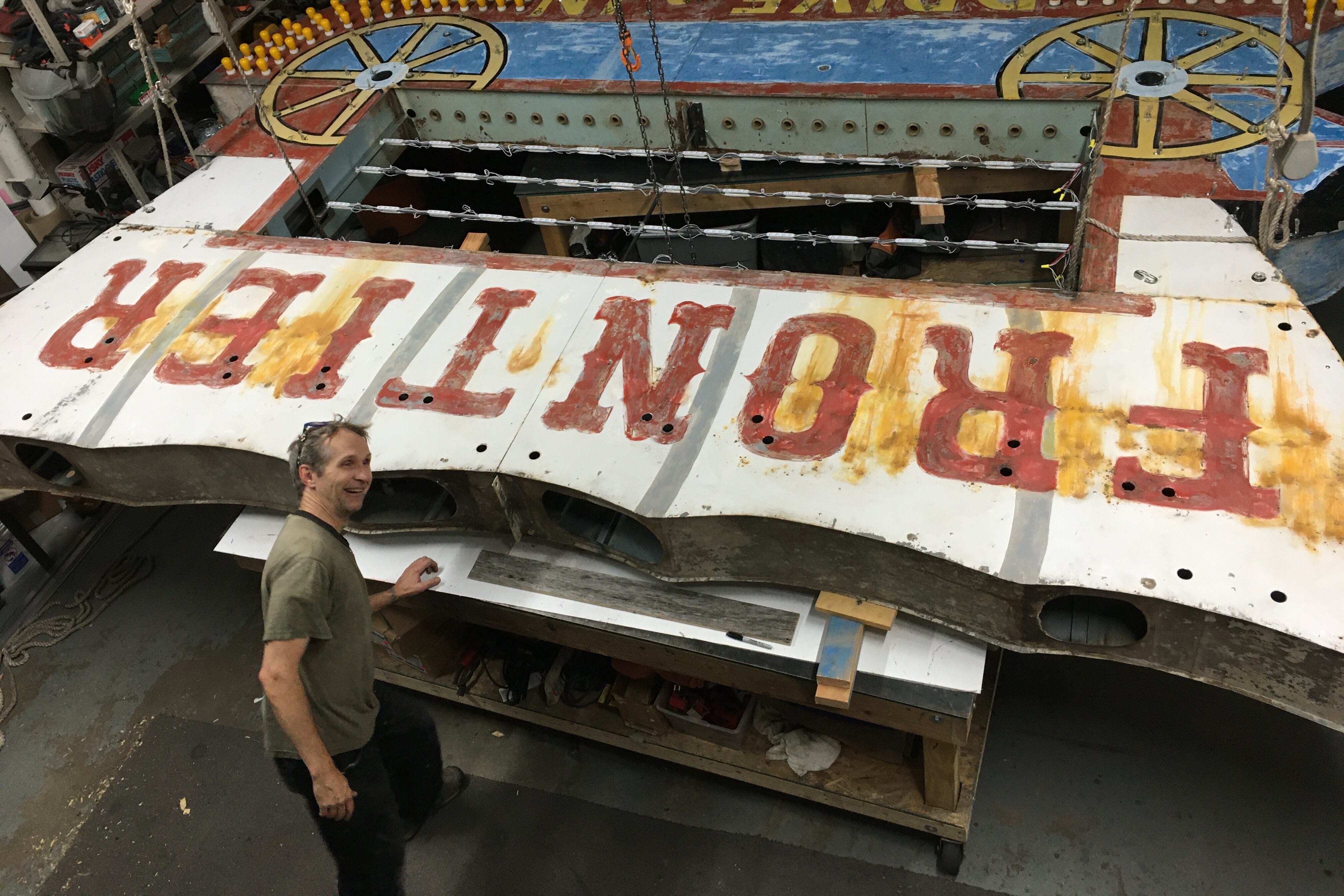
“After working for 35 years, at the end of it, there’s no exit strategy,” said Matuszewicz, a neon sign maker and former educator. “That’s not taught as part of education. They say here’s chemistry, here’s your history, but there was no one saying: We’re going to help you on the back side.”
But Matuszewicz found help through the University of Colorado Denver Change Makers program. The pilot program, which started this year, joins a growing list of programs nationwide that are helping older adults prepare for how they want to spend the next phase of their lives.
The program is a priority for school leaders who want to serve older adults because they want the school to be “a university for life,” said Anne Button, the program’s founding director.
Here and nationally, schools also have looked for new ways to bring in students. Some schools have faced declining enrollment since the pandemic, and lower birth rates will mean fewer college-age students to teach in the future.
While many people retire in their 60s, some live well beyond retirement, Button said. Many will also continue working, but don’t have a direction on how to use their skills without working full-time, Button said.
“Many people feel there’s a lot more productive time left,” Button said. “People at 60 really could have three decades left of productive years.”
The Change Makers program graduated its first class of 17 students in the spring, including Matuszewicz. The program, which costs about $3,200, has students meet two nights a week over four months. Students can audit classes, reflect on their accomplishments, and hear from guest speakers on topics such as aging, social-emotional health, and volunteering.
The program culminates in participants writing a 90-day plan on how to transition into their next job, wind down their careers, or find another purpose.
Terri Harrington, 66, said she’s tried to come up with a plan for what’s next. The program didn’t inspire a great epiphany for her, but allowed her to map out how she would begin to slow down.
“It set aside time for me to think about it,” she said. “They also had us do different projects like look back on your life and chart out the significant events.”
One of her happiest memories is cooking at the family farm in Nebraska, and she said that helped her realize how much she wants family to play a role in her retirement. Harrington said she wants to still work as an attorney, but also spend more time helping with her granddaughters and contribute occasionally at the family farm in Nebraska.
“I can spend more time there and spend more time with my family,” she said “I can work as little or as much as I want.”
For Matuszewicz, the class inspired him to try to find flexibility in his work schedule while still using the skills he’s acquired.
His goal is to step away from making signs and start a nonprofit that helps preserve Denver’s historic neon signs. The change would mean less hard labor, but would allow him to still be connected to the neon sign work he loves.
“I’m hoping to transition into more of the public face of it,” he said.
Matuszewicz plans to submit a grant proposal to the National Trust for Historic Preservation to help him start his nonprofit. He has plenty of work ahead of him figuring out how many neon signs need to be saved in the Denver area. He wants to ensure neon sign makers continue the tradition — he estimates there are only six sign makers in Denver — and that the city can keep its history.
It’s a busy but fulfilling retirement plan, Matuszewicz said. And he’s happy pickleball isn’t a part of it.
Jason Gonzales is a reporter covering higher education and the Colorado legislature. Chalkbeat Colorado partners with Open Campus on higher education coverage. Contact Jason at jgonzales@chalkbeat.org.