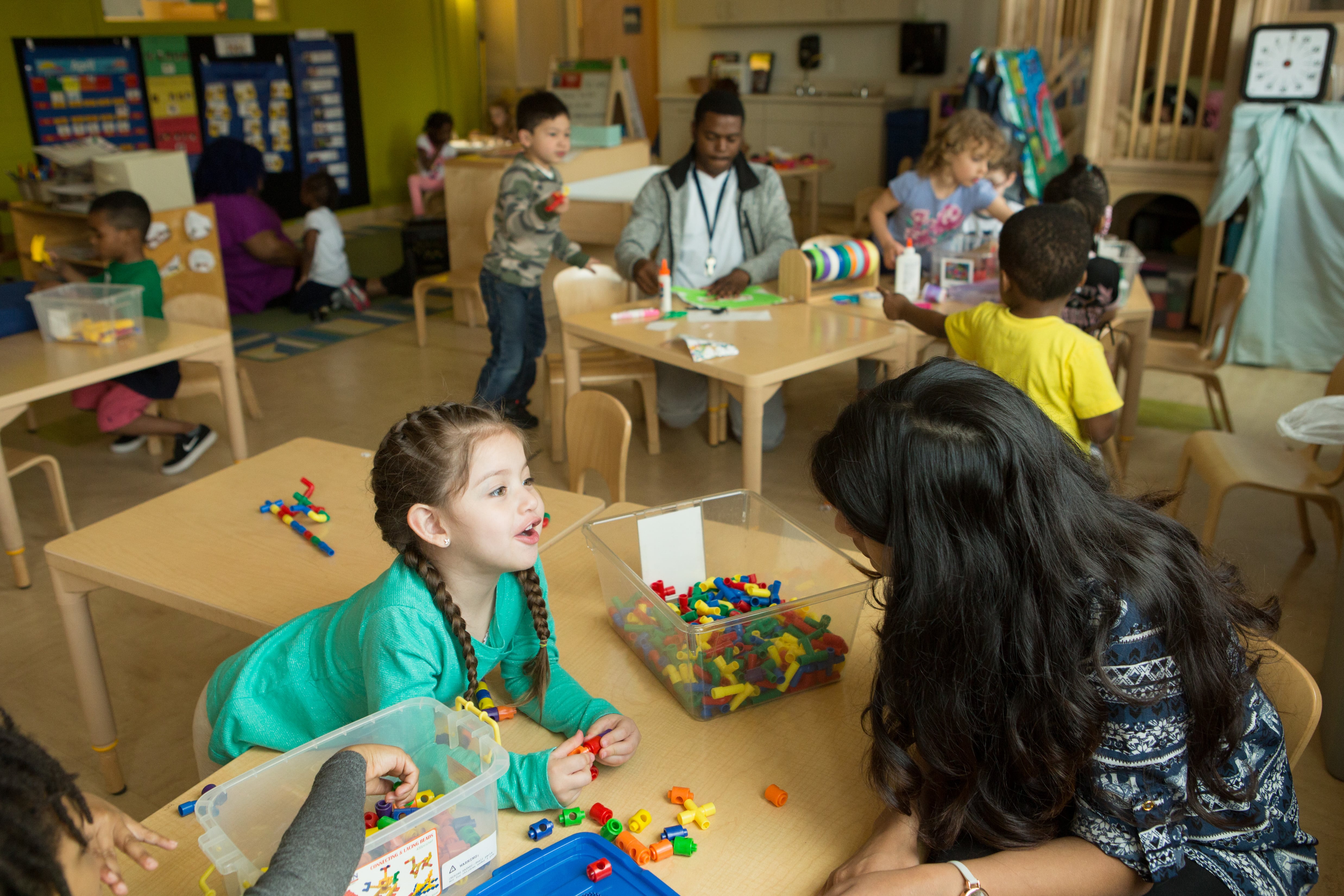

A recent change to Colorado’s universal preschool rules now permits “walk-in” enrollment, allowing children to start classes more quickly — potentially the same day their families show up at a local preschool.
The state made the change in late September after some preschool providers complained that they were forced to turn away families who showed up without having first filled out the online application and received a preschool match through the state’s computer system. Under that process, preschoolers sometimes waited a week or more to start class.
Now, as long preschools have open spots, children will be able to start the day they walk in or shortly thereafter. Their families still have to fill out the state’s universal preschool application, but generally they’ll be able to do that on the spot, and their child will be placed immediately. Preschools may also require parents to provide key documents, such as the child’s birth certificate, proof of address, and immunization records.
The rule change is one of the ways state officials have tried to address criticism from some preschool providers, advocates, and lawmakers that the program’s application process is confusing for families and limits how much preschool providers can help them.
Ian McKenzie, a spokesman for the Colorado Department of Early Childhood, said of the new rule in an email, “We are delighted to show it as a sign of the work [the department] is doing to meet the needs of families throughout the school year.”
Since the year is already well underway, the new walk-in rule won’t affect most universal preschool families. However, it will help those who have recently relocated or are just finding out about the program.
Currently, about 38,000 4-year-olds and 9,000 3-year-olds get 10 to 30 hours a week of tuition-free preschool through the new state program — more children than the state initially expected. The program is open to all 4-year-olds statewide. They can attend in public schools, private preschools, child care centers, and state-licensed homes. Three-year-olds with certain risk factors are also eligible for the program, with classes generally provided only in public schools.
Families can still apply for universal preschool this year, either by filling out the online application or going to a participating preschool provider directly.
Ann Schimke is a senior reporter at Chalkbeat, covering early childhood issues and early literacy. Contact Ann at aschimke@chalkbeat.org.